
A Hello Kitty backpack is more than just a functional accessory—it’s often a cherished item that blends nostalgia, personal style, and daily utility. Whether used by children, students, or collectors, these iconic bags are prone to wear from regular use, environmental exposure, and improper handling. Without proper care, the vibrant prints can fade, straps may fray, and zippers might fail prematurely. Protecting your backpack doesn’t require expensive products or complicated routines. With consistent, mindful habits, you can preserve its appearance and structural integrity for years.
Understand Your Backpack’s Materials
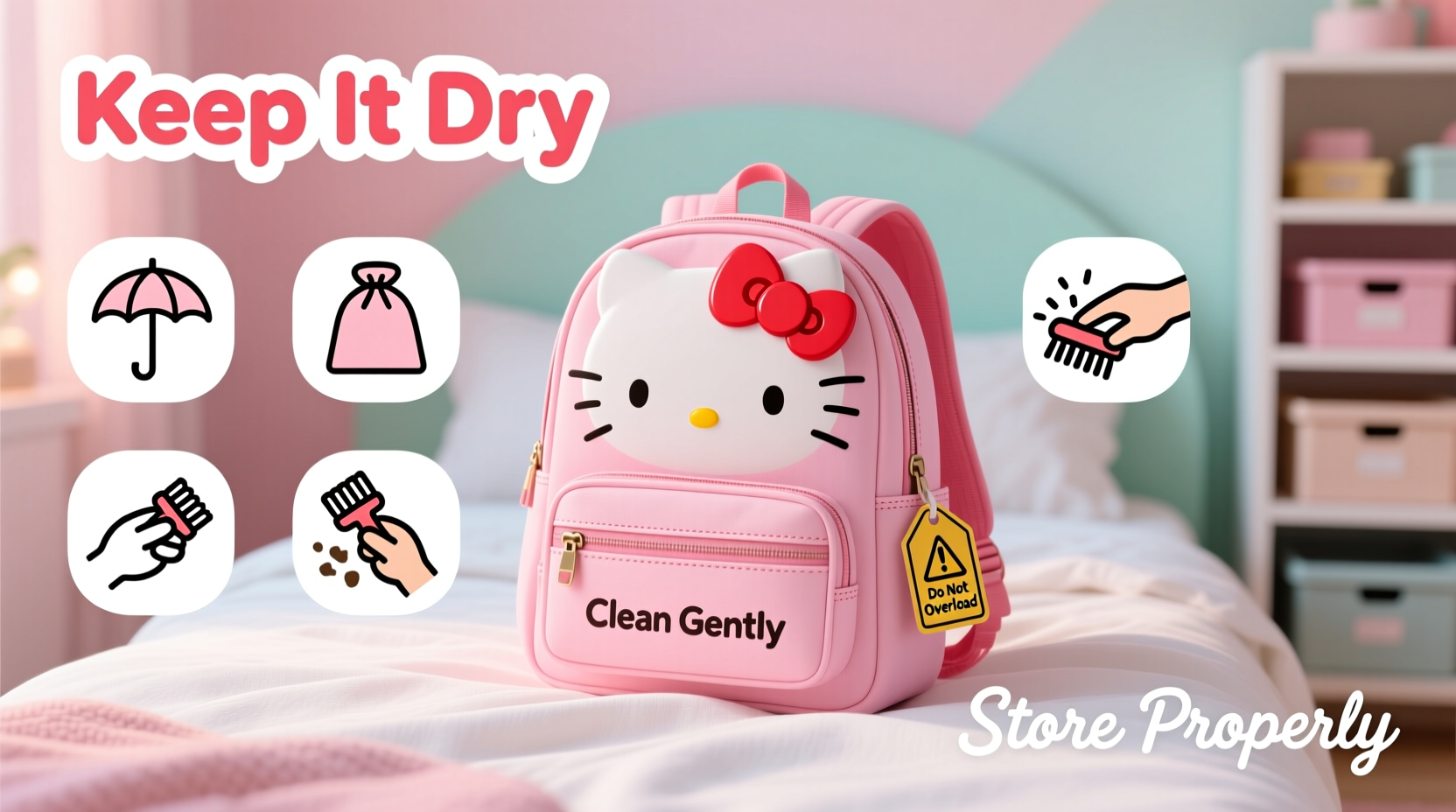
Hello Kitty backpacks are typically made from polyester, nylon, canvas, or synthetic leather, each with unique maintenance needs. Polyester and nylon are durable and water-resistant but can accumulate static and attract lint. Canvas offers breathability but absorbs moisture easily. Synthetic leather provides a sleek look but may crack over time if not conditioned. Knowing the material helps determine the right cleaning method, storage environment, and handling practices.
Check the care label inside the bag or refer to the manufacturer’s website. If no guidance is available, assume the fabric is sensitive to harsh chemicals and high heat. Always test any cleaning solution on a small, hidden area first—like the bottom edge or inside lining—to avoid accidental discoloration.
Daily Handling Practices That Prevent Wear
How you use your backpack every day has a direct impact on its longevity. Overloading is one of the most common causes of strain. Excessive weight pulls on seams, distorts the shape, and stresses zippers and stitching. Limit contents to essentials—ideally under 10% of your body weight if carrying it on your back.
Always zip compartments closed before moving. Open zippers expose linings to dirt and increase the risk of snagging. Avoid dragging the bag across rough surfaces like pavement or gravel, which can scratch prints and abrade fabric. When sitting, place the backpack on your lap or beside you rather than on the floor where it picks up grime and moisture.
- Use both straps evenly to distribute weight and prevent shoulder strap stretching.
- Remove sharp objects (keys, pens) from outer pockets to avoid punctures.
- Rotate usage if you own multiple bags—giving each one rest reduces cumulative stress.
Step-by-Step Cleaning Routine
Regular cleaning removes dirt, oils, and bacteria that degrade fabric over time. Follow this six-step process monthly or whenever visible soiling occurs:
- Empty completely: Remove all items, including small scraps of paper or crumbs in corners.
- Shake out debris: Hold the bag upside down and gently shake. Use a soft brush to dislodge dust from seams.
- Spot clean stains: Dampen a microfiber cloth with lukewarm water and mild detergent (like dish soap). Gently dab stained areas—never scrub aggressively.
- Clean hardware: Wipe zippers and buckles with a dry cloth. For stubborn grime, use a cotton swab dipped in rubbing alcohol (test first).
- Rinse residue: Wipe cleaned areas with a damp, clean cloth to remove soap traces.
- Air dry: Place the bag upright in a well-ventilated area away from direct sunlight. Do not use a dryer, heater, or hairdryer.
For deeper cleaning, some users report success using baby wipes on non-leather surfaces. However, check ingredients—wipes containing alcohol or bleach can damage dyes and weaken fibers.
Proper Storage Techniques
Long-term storage is crucial when the backpack isn’t in seasonal rotation. Improper storage leads to musty odors, mold growth, and color transfer. Never store a damp or dirty bag; always ensure it's fully dry to prevent mildew.
Keep the backpack in a cool, dark closet with stable temperature and low humidity. Avoid attics or basements, which often experience extreme fluctuations. Store it upright with stuffing inside—use tissue paper or a soft towel—to maintain shape and prevent creasing of printed panels.
| Storage Do’s | Storage Don’ts |
|---|---|
| Store in a breathable cotton dust bag | Use plastic bins or trash bags (traps moisture) |
| Keep away from direct sunlight | Leave near windows or under lamps |
| Place silica gel packets nearby to absorb moisture | Stack heavy items on top |
| Zip all compartments to retain structure | Hang by straps long-term (causes stretching) |
“Consistent care and proper storage can double a bag’s lifespan.” — Emma Clarke, Fashion Care Expert
Preventative Maintenance Checklist
To make upkeep effortless, follow this monthly checklist to catch issues early:
- ✔ Inspect for loose threads or fraying edges
- ✔ Check zipper functionality and alignment
- ✔ Clean exterior and interior surfaces
- ✔ Tighten any loose rivets or buckle screws
- ✔ Reapply fabric protector spray (if compatible)
- ✔ Rotate out of daily use for 3–5 days to relieve stress
If you notice minor damage—such as a slightly misaligned zipper or a small tear—address it immediately. A tiny rip can expand rapidly with continued use. Use clear nail polish to seal frayed strap ends temporarily, or visit a tailor for professional reinforcement.
Real-Life Example: How One Parent Extended a Backpack’s Life by 3 Years
Sophie, a mother of two in Portland, bought her daughter a limited-edition Hello Kitty school backpack before third grade. Concerned about durability, she implemented a simple care system: weekly wipe-downs, nightly emptying, and a second “backup” bag for muddy weather. She also sewed a thin layer of waterproof liner inside the main compartment to protect against spilled drinks.
When other kids’ backpacks began showing tears and fading by year two, hers remained intact. By rotating use and repairing a broken clasp early, the bag lasted through sixth grade—three full school years—without needing replacement. “It wasn’t about doing anything fancy,” Sophie said. “Just consistency. The little things added up.”
Frequently Asked Questions
Can I wash my Hello Kitty backpack in the washing machine?
No, machine washing is strongly discouraged. Agitation and spin cycles can distort shapes, damage prints, and weaken glued seams. Always opt for hand-cleaning with gentle pressure and air drying.
How do I remove ink marks without fading the design?
Use a cotton swab lightly dampened with rubbing alcohol. Test on an inconspicuous spot first. Dab—not rub—the stain gently. Immediately wipe with a damp cloth to neutralize residue. Avoid prolonged contact with alcohol, especially on red or pink prints, which are more prone to bleaching.
Is it safe to use waterproofing sprays?
Yes, but only if the product is labeled safe for fabrics and colors. Choose silicone-free, non-aerosol formulas to reduce chemical exposure. Apply in a well-ventilated area and allow 24 hours to cure before use. Reapply every 2–3 months for best results.
Final Thoughts
A Hello Kitty backpack carries more than books or belongings—it often holds memories, identity, and emotional value. Treating it with care reflects respect for its role in your daily life. Simple actions like mindful loading, routine wiping, and thoughtful storage compound into significant protection over time. Damage isn’t inevitable; it’s usually the result of overlooked habits.
Start today by inspecting your backpack for early signs of wear. Implement one new habit this week—whether it’s emptying it nightly or storing it in a dust bag. Small efforts now will keep your Hello Kitty backpack looking vibrant and functioning smoothly for years to come.




 浙公网安备
33010002000092号
浙公网安备
33010002000092号 浙B2-20120091-4
Comments
No comments yet. Why don't you start the discussion?