
A stylish handbag is more than an accessory—it’s a statement of taste, effort, and often, a significant investment. Whether you’ve just purchased a sleek leather tote, a designer crossbody, or a limited-edition shoulder bag, preserving its appearance requires consistent attention. The reality is that even the finest materials degrade under neglect. Dust, moisture, sunlight, and everyday wear can dull finishes, distort shapes, and compromise structural integrity. But with the right habits, your bag can maintain its luster for years. This guide delivers practical, expert-backed strategies to protect your new style bag from day one.
Understand Your Bag’s Material
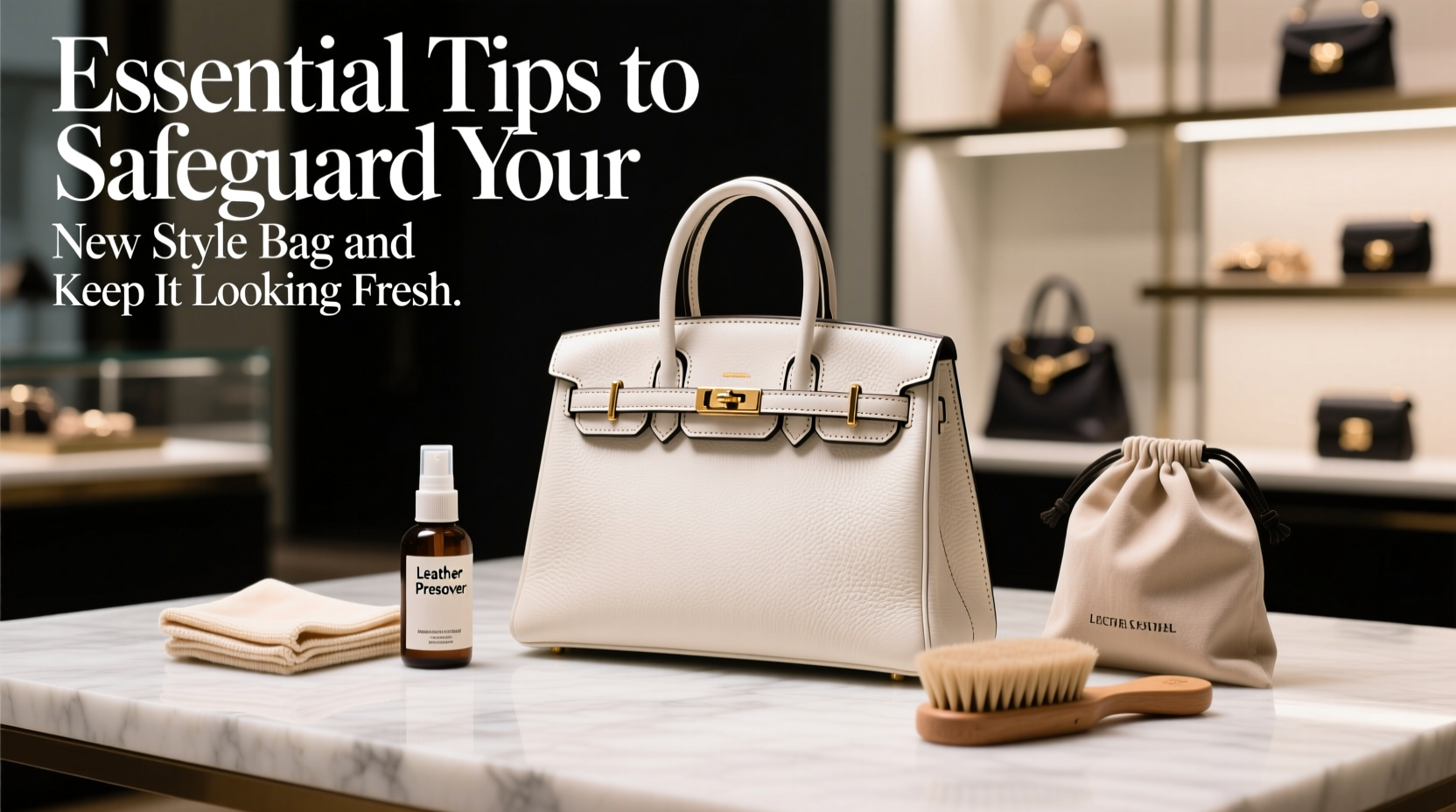
The first step in preservation is knowing what you’re working with. Different materials demand different care routines. Leather, suede, canvas, nylon, and exotic skins each react uniquely to environmental factors and cleaning agents.
- Leather: Durable but sensitive to moisture and heat. Requires conditioning to prevent cracking.
- Suede & Nubuck: Soft and luxurious but highly susceptible to stains and water damage.
- Canvas & Fabric: Resilient to daily use but prone to dirt buildup and fading in sunlight.
- Exotic Skins (e.g., crocodile, python): High-maintenance; require professional care and specialized products.
- Synthetic Materials: Often easier to clean but may peel or discolor over time if exposed to oils or solvents.
Establish a Daily Protection Routine
Prevention is far more effective than restoration. Small daily habits significantly reduce long-term damage.
- Rotate usage: Avoid using the same bag every day. Rotation reduces strain on hardware, straps, and stitching.
- Keep hands clean: Oils and lotions transfer easily onto surfaces, especially light-colored bags.
- Be mindful of placement: Never place your bag directly on restaurant floors, public restrooms, or dusty surfaces.
- Use protective sprays: A quality fabric or leather protector creates a barrier against spills and stains. Reapply every 4–6 weeks.
For leather bags, avoid placing them near heaters or in direct sunlight, which accelerates drying and fading. Even brief exposure during summer commutes can cause cumulative damage.
Proper Cleaning Techniques by Material
Cleaning should be gentle and targeted. Aggressive scrubbing or household cleaners can do more harm than good.
| Material | Cleaning Method | Products to Use | Products to Avoid |
|---|---|---|---|
| Smooth Leather | Damp cloth wipe-down + monthly conditioning | Leather cleaner, pH-balanced conditioner | Alcohol, vinegar, silicone-based polishes |
| Suede/Nubuck | Brush with suede eraser or rubber brush | Suede cleaner, protective spray | Water, standard wipes, heat |
| Canvas/Fabric | Spot clean with mild soap + soft brush | Mild detergent, water | Bleach, abrasive sponges |
| Exotic Skins | Professional cleaning recommended | Specialized scale conditioners | DIY methods, water immersion |
“Many clients ruin their bags trying to ‘fix’ a small stain with alcohol wipes. That single mistake can cost hundreds in restoration.” — Marcus Lin, Luxury Bag Restorer, Paris Atelier Cuir
Smart Storage Practices
How you store your bag when not in use is just as important as how you carry it. Poor storage leads to misshaping, mold growth, and discoloration.
Always store your bag in a cool, dry place away from windows. Direct sunlight breaks down dyes and weakens fibers. Humidity encourages mildew, especially in natural materials.
- Stuff the interior with acid-free tissue paper or soft cloths to maintain shape.
- Store inside a breathable dust bag—never plastic, which traps moisture.
- Lay flat or hang gently; avoid stacking heavy items on top.
- Remove straps if possible to reduce stress on attachment points.
Mini Case Study: The Overlooked Weekend Tote
Sophia bought a cream-colored pebbled leather tote for her weekend outings. She loved it but noticed darkening at the base and fraying corners after just five months. Upon inspection, she realized she routinely placed it on café floors and stored it in a plastic bin under her bed. The trapped humidity caused subtle mold growth, and floor contact transferred grime and abrasives. After switching to a cotton dust bag, stuffing it properly, and using a leather protector, the remaining bags in her collection stayed pristine for over two years. Her experience underscores how invisible habits have visible consequences.
Step-by-Step Guide: Monthly Bag Maintenance
Set aside 20 minutes each month to inspect and refresh your favorite bags. This routine prevents minor issues from becoming major flaws.
- Empty completely: Remove all contents and shake out debris.
- Inspect for damage: Check stitching, zippers, corners, and hardware for wear.
- Wipe down surfaces: Use a microfiber cloth dampened with appropriate cleaner.
- Clean interior: Vacuum lining or use sticky roller for lint and crumbs.
- Condition (if leather): Apply a thin layer of conditioner and buff gently.
- Re-stuff and store: Return with tissue paper and place in dust bag.
This simple process extends a bag’s lifespan by preventing embedded dirt, dryness, and deformation.
Frequently Asked Questions
Can I use baby wipes to clean my bag?
No. Most baby wipes contain alcohol and fragrances that strip natural oils from leather and can discolor fabrics. Use only products specifically formulated for your bag’s material.
How often should I condition a leather bag?
Every 6–8 weeks for frequently used bags. Less often (every 3–4 months) for occasional pieces. Over-conditioning can soften leather too much, leading to sagging.
Is it safe to store my bag in its original box?
Only if the box is made of breathable material and stored in a dry environment. Cardboard can absorb moisture and promote mold. Better to use a fabric dust bag inside a climate-controlled closet.
Checklist: Bag Care Essentials
- ✅ Microfiber cloths
- ✅ pH-balanced leather cleaner
- ✅ Leather conditioner
- ✅ Suede brush and eraser
- ✅ Fabric/leather protector spray
- ✅ Acid-free tissue paper
- ✅ Breathable dust bags
- ✅ Silica gel moisture absorbers
- ✅ Soft-bristle brush for textured surfaces
Final Thoughts
Your style bag reflects your personality and effort. Protecting it isn’t about perfection—it’s about consistency. From choosing the right storage to adopting gentle cleaning habits, each decision compounds over time. A well-maintained bag doesn’t just look better; it retains value, performs reliably, and continues to elevate your outfits with confidence.




 浙公网安备
33010002000092号
浙公网安备
33010002000092号 浙B2-20120091-4
Comments
No comments yet. Why don't you start the discussion?