
Tzatziki is more than just a condiment—it’s a culinary bridge between cultures, a cooling counterpoint to bold Mediterranean flavors, and a versatile staple in kitchens from Athens to Toronto. Yet, despite its apparent simplicity, many home cooks struggle to achieve the ideal balance of creaminess, tang, and freshness. The difference between a bland, watery dip and a vibrant, restaurant-quality tzatziki lies not in complexity, but in understanding the essential ingredients and applying smart preparation techniques. This guide breaks down every component of authentic tzatziki, explains how each contributes to the final profile, and delivers practical, chef-tested tips for maximizing flavor, texture, and shelf life.
Definition & Overview
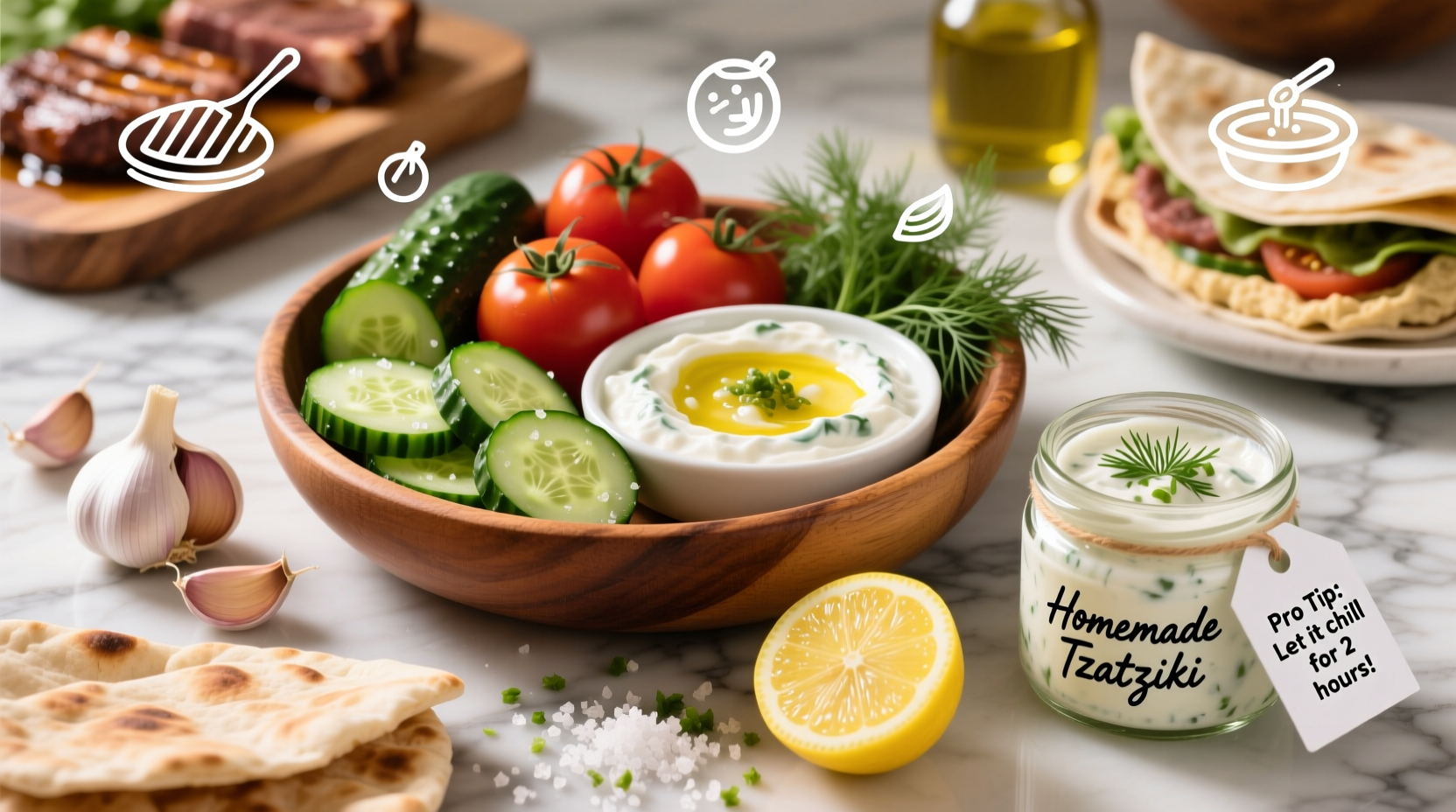
Tzatziki (pronounced \"tsah-see-kee\") is a traditional yogurt-based sauce originating in Greece, though variations appear across the Balkans, Turkey (as *cacık*), the Levant, and parts of Central Asia. At its core, it combines strained yogurt with grated cucumber, garlic, olive oil, and aromatic herbs—most commonly fresh dill or mint. It functions as a dip, spread, marinade, or accompaniment, prized for its cooling effect against grilled meats, spicy dishes, or rich mezze platters.
The sauce's brilliance lies in its duality: it’s simultaneously refreshing and deeply savory. Its creamy texture contrasts with crisp cucumber, while raw garlic adds pungency tempered by lactic tang and herbal brightness. Unlike heavily spiced sauces, tzatziki relies on ingredient quality and technique rather than complexity. It requires no cooking, making it ideal for summer entertaining, meal prep, or last-minute flavor enhancement.
Key Characteristics
| Characteristic | Description |
|---|---|
| Flavor Profile | Cool, tangy, garlicky, with herbal freshness and subtle saltiness. |
| Aroma | Pronounced garlic and dill/mint, balanced by clean dairy notes. |
| Texture | Thick, creamy, with fine cucumber granules; should not be runny. |
| Color | Pale ivory to light green, depending on herb content. |
| Heat Level | None inherently, but raw garlic provides sharpness that can feel \"hot.\" |
| Culinary Function | Dip, spread, sauce, marinade, palate cleanser. |
| Shelf Life | 5–7 days refrigerated; best used within 3–4 days for peak freshness. |
Essential Ingredients Explained
The magic of tzatziki stems from precise ingredient selection. Each component plays a structural or sensory role. Substitutions or poor-quality choices compromise the result.
Yogurt: The Foundation
Full-fat, strained yogurt is non-negotiable for authentic texture and richness. Greek yogurt is the most accessible option, but technically, traditional recipes use sheep’s milk yogurt like *feta gala* or *anthotyros*. The key is high fat content (10% or more) and low moisture. Straining removes whey, concentrating protein and fat while preventing dilution from cucumber juice.
- Why full-fat? Low-fat yogurt lacks mouthfeel and tends to weep water, leading to separation.
- Straining tip: Even if using Greek yogurt, strain it an additional 1–2 hours in cheesecloth-lined sieve over a bowl. This eliminates residual liquid and ensures thickness.
Cucumber: Texture and Cooling Agent
English (hothouse) cucumbers are preferred—thin skin, minimal seeds, and lower water content. Avoid standard waxed cucumbers, which are too watery and bitter.
Preparation is critical:
- Peel partially or fully, depending on skin toughness.
- Grate coarsely using a box grater.
- Salt immediately (½ tsp per cucumber) and let sit 10 minutes.
- Squeeze firmly in a clean towel to extract all excess moisture.
This step cannot be skipped. Un-drained cucumber introduces enough water to thin the sauce and shorten shelf life.
Garlic: The Flavor Anchor
Fresh, raw garlic provides the signature bite. Use 1–2 cloves per cup of yogurt, adjusting to preference. Microplane or press garlic for even distribution. For milder heat, blanch cloves in hot water for 30 seconds before mincing.
“Garlic oxidizes quickly. If you’re making tzatziki ahead, add half the garlic initially and stir in the rest just before serving. The flavor stays brighter.”
Olive Oil: Richness and Emulsification
Use extra virgin olive oil with a fruity, grassy profile. It enhances mouthfeel and helps bind the sauce. Drizzle 1–2 tablespoons into the mix and swirl more on top before serving. Never use refined or neutral oils—they lack flavor and fail to complement the other ingredients.
Acid: Brightness and Balance
Lemon juice (not vinegar) is traditional. One teaspoon per cup of yogurt lifts the flavors without souring the yogurt. Add gradually and taste. Over-acidifying causes curdling over time.
Herbs: Aromatic Complexity
Fresh dill is classic in Greek tzatziki; mint appears in Turkish and Middle Eastern versions. Use one or both. Chop finely—about 1 tablespoon per cup of yogurt. Dried herbs are unsuitable; they lack vibrancy and introduce off-notes.
Salt: Depth and Preservation
Sea salt or kosher salt enhances all components. Season in layers: when salting cucumber, in the yogurt base, and at the end. This ensures even distribution and prevents flatness.
Pro Tip: Always season and chill tzatziki for at least 2 hours before serving. Flavors meld during resting, and garlic mellows slightly. Stir gently before serving to reincorporate any oil that rises.
Practical Usage: How to Use Tzatziki Beyond the Dip Bowl
Tzatziki’s versatility extends far beyond dolloping on a gyro. Thoughtful application transforms everyday meals.
As a Condiment or Spread
- Replace mayonnaise in sandwiches and wraps—especially with grilled chicken, lamb, or falafel.
- Spread on pita bread before adding souvlaki or roasted vegetables.
- Top baked potatoes instead of sour cream.
In Grain Bowls and Salads
Use as a dressing base for grain bowls featuring quinoa, chickpeas, tomatoes, and feta. Thin slightly with water or lemon juice if needed. It binds ingredients while adding moisture without greasiness.
Marinade for Proteins
The acidity and enzymes in yogurt tenderize meat effectively. Coat chicken thighs, lamb chops, or fish fillets in tzatziki (without cucumber) for 2–4 hours before grilling. The result is juicy, subtly flavored protein with a golden crust.
Sauce for Vegetables and Appetizers
- Drizzle over grilled zucchini, eggplant, or bell peppers.
- Serve alongside fried appetizers like dolmades, spanakopita, or zucchini fritters.
- Use as a base for chilled cucumber soup—blend with ice and a splash of buttermilk.
Breakfast and Brunch Applications
Pair with eggs: swirl into shakshuka, top scrambled eggs, or serve alongside smoked salmon bagels. Its coolness balances rich breakfast proteins beautifully.
Variants & Types
While the Greek version dominates Western markets, regional adaptations offer distinct profiles.
| Variant | Region | Key Differences | Best Used For |
|---|---|---|---|
| Greek Tzatziki | Greece | Dill-forward, moderate garlic, olive oil finish | Gyros, souvlaki, meze platters |
| Turkish Cacık | Turkey | Thinner, mint-dominant, often diluted with water, served cold | Summer drink accompaniment, kebabs |
| Levantine Jajeek | Lebanon, Syria | Includes mint and sometimes parsley, cucumber finely diced | Falafel, stuffed vegetables |
| Iranian Mast-o-Khiar | Persia | May include rosewater, walnuts, or dried mint; less garlic | Accompanying rice dishes, stews |
| Dairy-Free Tzatziki | Modern/Vegan | Uses coconut or almond yogurt; texture less stable | Vegan bowls, plant-based wraps |
Choose the variant based on your main dish. Dill-heavy versions suit lamb and seafood; mint-based ones pair better with spiced chicken or vegetarian fare.
Comparison with Similar Ingredients
Tzatziki is often confused with other white sauces. Understanding differences prevents misapplication.
| Sauce | Base | Key Ingredients | How It Differs from Tzatziki |
|---|---|---|---|
| Raita | Yogurt | Cucumber, cumin, cilantro, chili | Indian-inspired, spiced, often sweeter, thinner |
| Tarator | Yogurt | Cucumber, garlic, walnuts (Bulgarian) | Nutty, thicker, Eastern European profile |
| Skordalia | Potato or bread + garlic | Garlic, olive oil, vinegar, no yogurt | Garlic-forward, emulsified, no cucumber |
| Garlic Aioli | Mayonnaise | Egg yolk, garlic, lemon, olive oil | Richer, fattier, lacks tang and freshness |
Unlike raita, tzatziki contains no ground spices. Compared to skordalia, it’s lighter and more acidic. Aioli, while also garlicky, lacks the cooling dairy element crucial to tzatziki’s function.
Practical Tips & FAQs
How do I prevent tzatziki from getting watery?
Two steps: (1) Salt and squeeze cucumbers thoroughly. (2) Strain yogurt beforehand. Store in a sealed container with a paper towel on top to absorb condensation.
Can I make tzatziki ahead of time?
Yes—ideally 4–24 hours in advance. This allows flavors to marry. However, add fresh herbs and a final drizzle of olive oil just before serving for maximum brightness.
What’s the best way to store tzatziki?
In an airtight container in the coldest part of the refrigerator (not the door). Consume within 5 days. Discard if it develops mold, sour smell, or excessive separation.
Can I freeze tzatziki?
No. Freezing disrupts the emulsion, causing permanent separation and grainy texture upon thawing. Dairy and vegetable components react poorly to temperature extremes.
Is tzatziki gluten-free?
Yes, provided all ingredients are certified gluten-free. Some commercial yogurts may contain additives with gluten, so check labels if serving sensitive individuals.
What can I substitute for cucumber?
There is no true substitute—the texture and water release are unique. In emergencies, finely julienned zucchini (salted and squeezed) can work, but flavor and crunch differ significantly.
My tzatziki tastes too garlicky. Can I fix it?
Dilute with additional strained yogurt and a touch of honey (¼ tsp) to balance harshness. Add more lemon and herbs to distract the palate. Next time, use roasted garlic for a mellower profile.
Storage Checklist:
- Store in glass container with tight lid
- Press plastic wrap directly on surface to limit oxidation
- Keep away from strong-smelling foods (garlic absorbs odors)
- Stir gently before reuse if oil separates
Summary & Key Takeaways
Tzatziki’s enduring appeal lies in its balance of simplicity and sophistication. Mastery begins with selecting the right ingredients: full-fat strained yogurt, properly drained cucumber, fresh garlic, quality olive oil, and aromatic herbs. Technique matters—salting, squeezing, straining, and resting are not optional steps but essential practices.
Beyond the classic dip, tzatziki excels as a marinade, sandwich spread, salad dressing, and breakfast companion. Regional variants offer creative inspiration, while clear distinctions from similar sauces ensure proper culinary application.
To summarize:
- Always remove moisture from cucumber and yogurt.
- Use fresh garlic and herbs—never dried substitutes.
- Let tzatziki rest before serving for optimal flavor integration.
- Store properly to maintain texture and safety.
- Experiment with herb ratios and applications beyond gyros.
With these principles, tzatziki becomes more than a side—it evolves into a foundational element of flavorful, balanced cooking. Try making a batch this week, apply the tips, and notice the difference precision makes.




 浙公网安备
33010002000092号
浙公网安备
33010002000092号 浙B2-20120091-4
Comments
No comments yet. Why don't you start the discussion?