
Maintaining a mesh dress requires more than occasional washing—it demands thoughtful handling, proper storage, and consistent attention to detail. Mesh fabrics, while lightweight and stylish, are inherently delicate. Their open-knit structure makes them prone to stretching, snagging, and misshaping if not cared for correctly. Whether your mesh dress is a staple in your evening wardrobe or a seasonal favorite, preserving its original silhouette and fit ensures it remains wearable season after season. This guide delivers expert-backed strategies to keep your mesh garments looking pristine, structured, and true to form.
Understanding Mesh Fabric and Its Vulnerabilities
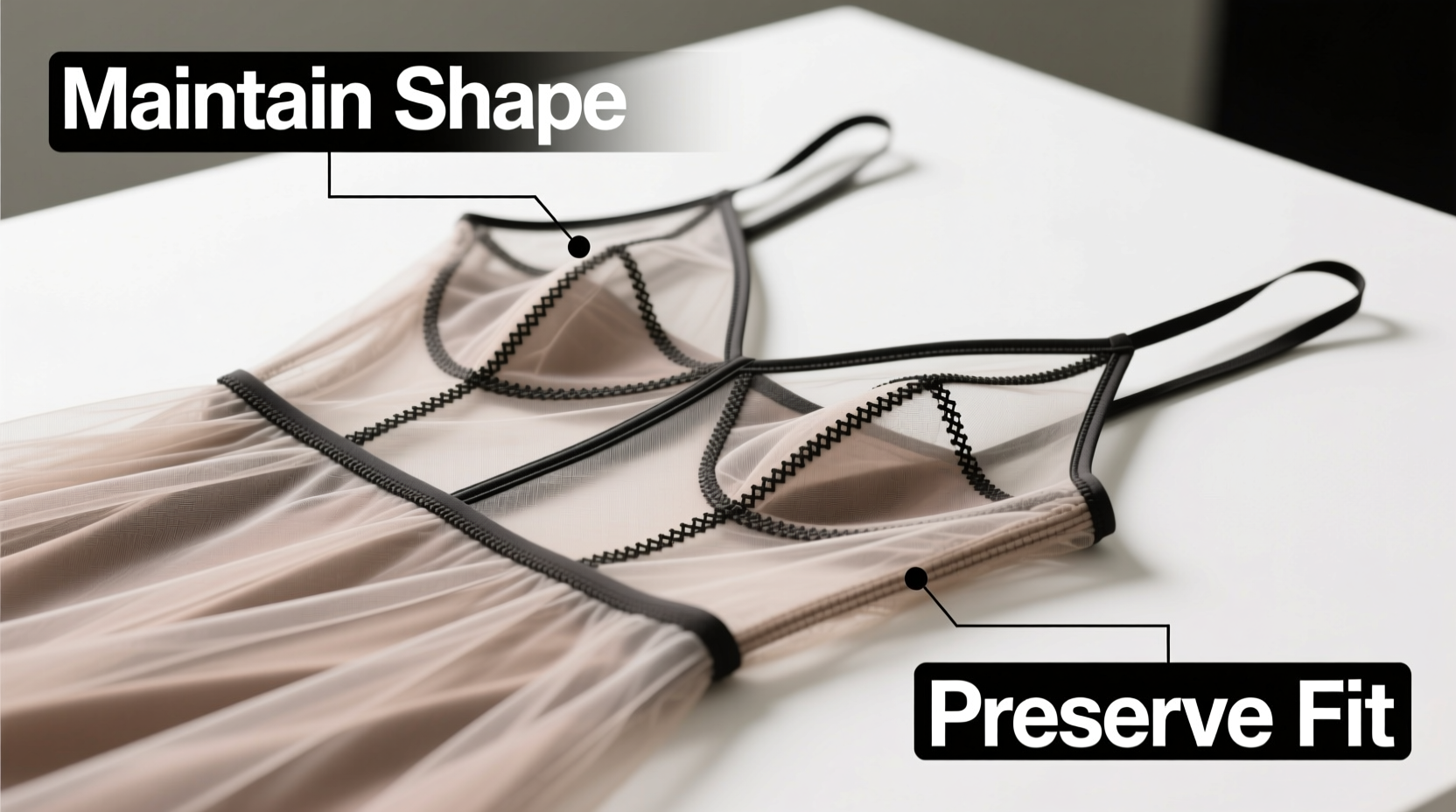
Mechanically, mesh is a loosely woven or knitted fabric with visible openings between yarns. Commonly made from nylon, polyester, or spandex blends, mesh provides breathability and flexibility—but at the cost of structural resilience. The very design that makes it comfortable also makes it vulnerable to:
- Stretching out of shape during wear or improper drying
- Sagging due to gravity when hung improperly
- Sagging due to gravity when hung improperly
- Snagging from jewelry, rough surfaces, or even fingernails
- Loss of elasticity over time, especially in blended fabrics with spandex
Unlike sturdier textiles like cotton or wool, mesh doesn’t recover well from stress. Once stretched, it rarely returns to its original dimensions. Therefore, prevention—not correction—is key. Understanding these vulnerabilities allows you to adjust your care routine accordingly.
“Mesh is designed for aesthetic lightness, not durability. The longevity of a mesh garment depends almost entirely on how gently it’s treated.” — Lena Torres, Textile Conservation Specialist, Fashion Institute of Technology
Washing Techniques That Preserve Shape and Elasticity
Cleaning is one of the most critical—and potentially damaging—steps in mesh dress maintenance. Aggressive washing can distort fibers, degrade elasticity, and cause irreversible warping.
Hand Washing: The Gold Standard
Always opt for hand washing unless the care label explicitly permits machine use. Use lukewarm water and a mild detergent formulated for delicates. Avoid bleach, fabric softeners, and enzymatic cleaners, which break down synthetic fibers.
Gently swirl the dress in soapy water for 3–5 minutes. Do not wring, twist, or scrub. Rinse thoroughly in cool water until suds disappear. Press excess water out by laying the dress flat on a clean towel and rolling it up—this absorbs moisture without stressing the fabric.
Machine Washing (Only When Necessary)
If absolutely required, place the dress in a mesh laundry bag, select the “delicate” cycle with cold water, and use minimal spin. Never wash with heavy items like jeans or towels that can cause abrasion.
Drying and Reshaping: Preventing Sag and Distortion
Improper drying is the leading cause of misshapen mesh garments. Heat and hanging weight both contribute to permanent deformation.
Avoid These Drying Mistakes
- Hanging a wet mesh dress—gravity stretches shoulder seams and hems
- Tumble drying—even on low heat weakens elastic fibers
- Direct sunlight exposure, which fades color and degrades synthetics
Best Practice: Flat Air Drying with Support
Lay the dress on a dry, absorbent towel in its natural shape. Smooth out wrinkles gently with your hands. Reshape the neckline, straps, and hem to match the original cut. Rotate the garment occasionally for even drying. Allow 6–12 hours depending on thickness and humidity.
| Drying Method | Risk Level | Recommended? |
|---|---|---|
| Hanging on a hanger | High | No |
| Tumble drying | Very High | No |
| Flat air drying | Low | Yes |
| Drying rack (laid flat) | Low | Yes |
Proper Storage: How to Keep Your Mesh Dress Structurally Sound
Storage is where long-term shape preservation begins. Even a perfectly cleaned and dried mesh dress can lose its form if stored incorrectly.
Fold, Don’t Hang
Despite common practice, hanging a mesh dress—even on padded hangers—can lead to shoulder droop and lengthened straps over time. Instead, fold the dress neatly along natural seams and store it in a drawer or on a shelf.
Use Breathable Containers
Avoid plastic bins or vacuum-sealed bags. They trap moisture and encourage mildew, which weakens fibers. Opt for cotton garment bags or lidded boxes made of breathable materials. Store in a cool, dark, dry closet away from direct heat sources.
Rotate Position Periodically
If storing long-term, unfold and refold the dress every few months along different lines. This prevents permanent creases and distributes compression evenly.
Real-Life Example: A Seasonal Dress Saved by Proper Care
Sophia, a stylist in Austin, owns a black mesh cocktail dress she’s worn annually for five years. Initially concerned about wear and tear, she implemented a strict care regimen: hand washing after each wear, flat drying on a clean towel, folding with acid-free tissue, and storing in a linen-covered box. Despite frequent use, the dress retains its snug fit and intricate lace-like pattern. “People assume it’s new every time I wear it,” she says. “The secret isn’t luck—it’s discipline.” Her experience underscores that consistent, mindful care outweighs material limitations.
Step-by-Step Maintenance Timeline
To simplify long-term care, follow this actionable timeline:
- After Each Wear: Inspect for snags or loose threads. Air out for 2–3 hours to remove odors.
- Every 3–5 Wears: Hand wash using mild detergent. Never wait until stains set.
- Post-Wash: Roll in a towel, then lay flat to dry in original shape.
- Before Storing: Fold with tissue paper, place in breathable container.
- Monthly: Check storage condition—look for mustiness or insect signs.
- Every 3 Months: Refold along different lines to prevent permanent creases.
Frequently Asked Questions
Can I iron my mesh dress?
No. Direct heat melts synthetic fibers. If wrinkled, lightly steam from a distance of at least 12 inches, never touching the fabric. Alternatively, hang in a steamy bathroom to relax creases.
What should I do if the dress starts to sag?
Unfortunately, once mesh stretches, it cannot be reversed. Prevention is essential. If minor sagging occurs, avoid further strain and consider professional reinforcement at stress points (e.g., seams) by a skilled tailor.
How often should I wash a mesh dress?
Only when necessary—typically after 2–3 wears, or immediately if exposed to sweat, perfume, or spills. Overwashing accelerates fiber fatigue.
Essential Mesh Dress Care Checklist
- ✔ Always check the care label before cleaning
- ✔ Hand wash in cold water with gentle detergent
- ✔ Never wring or twist the fabric
- ✔ Dry flat on a clean towel, reshaping as needed
- ✔ Store folded with tissue paper in a breathable container
- ✔ Avoid jewelry and rough surfaces during wear
- ✔ Inspect regularly for snags or loose threads
- ✔ Refold periodically to prevent permanent creases
Final Thoughts: Elevate Your Wardrobe Longevity
A mesh dress is an investment in style and versatility. Its longevity isn’t determined by price or brand, but by the consistency of care. By respecting the fragility of the fabric and committing to gentle, structured maintenance, you preserve not just the appearance but the integrity of the garment. Every fold, rinse, and storage decision contributes to whether your dress lasts one season or many.




 浙公网安备
33010002000092号
浙公网安备
33010002000092号 浙B2-20120091-4
Comments
No comments yet. Why don't you start the discussion?