
Opening up your home by removing a wall can dramatically change how you experience your living space. Whether you're combining the kitchen and dining area for better flow or eliminating a partition to create a larger living room, the transformation can feel like gaining extra square footage without moving. But walls aren’t just dividers—they often serve critical structural or functional roles. Removing one without proper planning can compromise safety, lead to costly repairs, or violate building codes. This comprehensive guide walks you through every essential step to ensure your project is safe, legal, and rewarding.
Determine If the Wall Is Load-Bearing
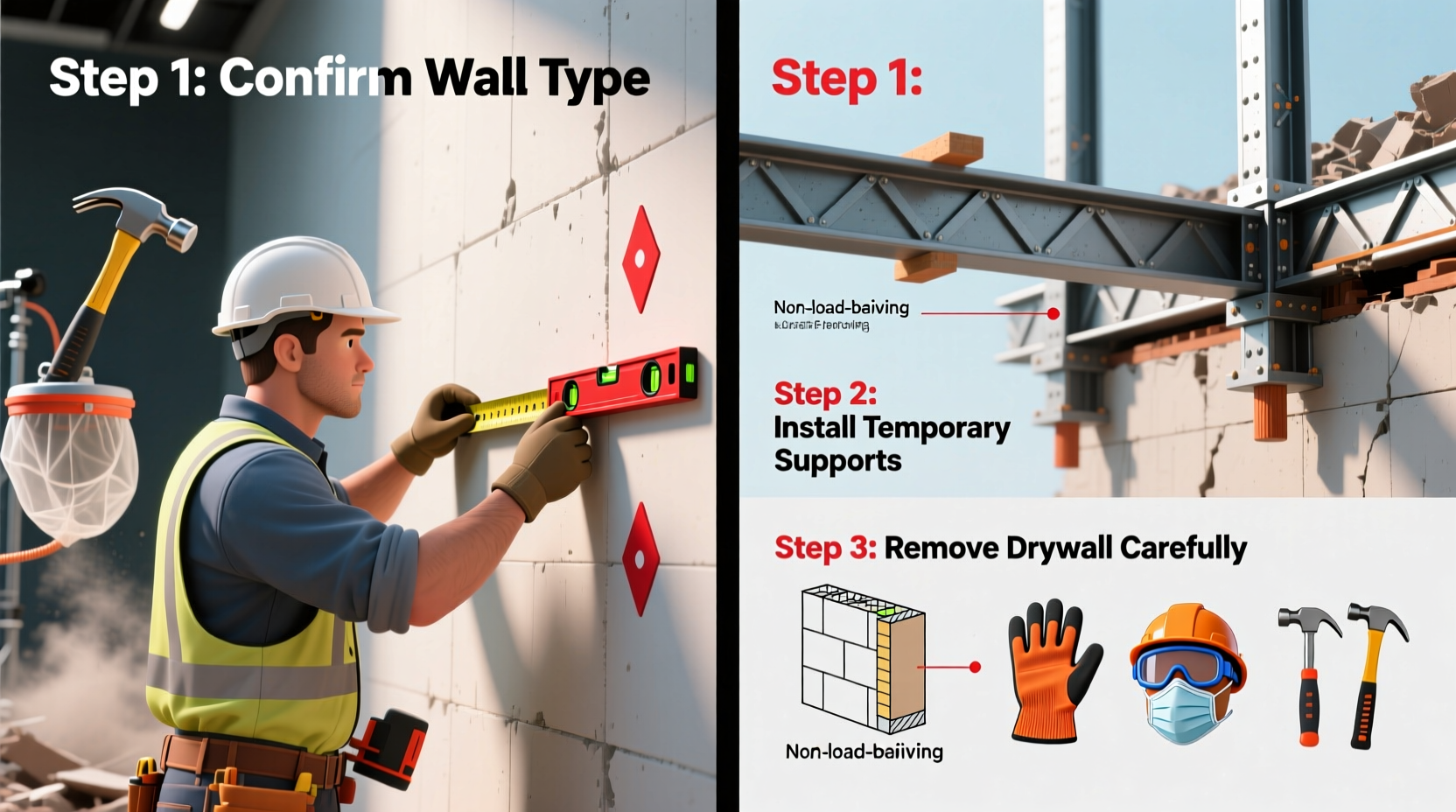
The first and most crucial step in removing any wall is identifying whether it supports weight from above. A load-bearing wall carries the weight of the roof, upper floors, or ceiling joists. Removing such a wall without proper reinforcement can cause sagging ceilings, cracked walls, or even structural collapse.
To assess if a wall is load-bearing:
- Check if it runs perpendicular to floor joists or ceiling beams—this often indicates load-bearing status.
- Look in the basement or attic: if floor or ceiling joists rest directly on the wall, it’s likely supporting weight.
- Examine exterior walls—these are almost always load-bearing.
- Review original blueprints if available.
Legal and Permit Requirements
Demolishing a wall isn’t always a DIY-friendly task when it comes to regulations. Most municipalities require permits for structural modifications, especially involving load-bearing walls. Skipping this step may result in fines, failed home inspections during resale, or insurance complications.
Permitting typically involves submitting engineering plans showing how the structure will be supported post-removal—usually via a beam or header installed above the new opening. Your local building department will review these documents before issuing approval.
“Never assume a wall removal is exempt from permitting. Even non-load-bearing walls may contain electrical, plumbing, or HVAC systems regulated by code.” — Carlos Mendez, Building Inspector & Code Consultant
Step-by-Step Removal Process
Once you’ve confirmed the wall type and obtained necessary approvals, follow this structured approach:
- Turn off utilities: Shut off electricity, water, or gas lines that may run through the wall. Label circuits at the breaker panel.
- Protect surrounding areas: Cover floors and furniture with drop cloths. Seal off the work zone with plastic sheeting to contain dust.
- Remove finishes: Carefully take down drywall, trim, baseboards, and molding. Set reusable materials aside.
- Expose framing: Strip back layers to reveal studs, wiring, and piping. Document their locations with photos.
- Install temporary support (for load-bearing walls): Use jack posts and beams to bear the load while the permanent beam is fitted.
- Frame and install permanent support: Install a properly sized laminated veneer lumber (LVL) or steel beam, secured with king studs, trimmer studs, and hangers.
- Remove remaining studs: Cut out the rest of the wall once the beam is in place and bearing the load.
- Inspect and close up: Have the structural work inspected before covering with drywall.
Timeline Overview
| Phase | Duration | Notes |
|---|---|---|
| Assessment & Planning | 1–2 weeks | Includes engineer consultation and permit application |
| Preparation | 1 day | Utility shutdown, protection setup |
| Removal & Framing | 2–5 days | Varies by wall size and complexity |
| Inspection & Finishing | 1–2 weeks | Drywall, paint, trim, final inspection |
Common Mistakes to Avoid
Even experienced DIYers can make critical errors when opening up a floor plan. Watch out for these pitfalls:
- Assuming all interior walls are safe to remove: Many homeowners mistakenly believe only exterior walls are structural. Interior walls can carry significant loads.
- Ignoring hidden systems: Walls often conceal plumbing vents, electrical conduits, or HVAC ducts. Cutting into them can disrupt service or create hazards.
- Using undersized beams: An improperly sized header won’t support the load, leading to long-term settling issues.
- Rushing the process: Skipping inspections or temporary supports risks both safety and compliance.
Real Example: Transforming a 1970s Split-Level Home
A homeowner in Portland, Oregon, wanted to modernize their cramped kitchen and dining layout. The two rooms were separated by a 12-foot interior wall they assumed was decorative. After consulting a structural engineer, they discovered the wall supported second-floor bedrooms via a single top plate connected to ceiling joists.
The solution involved installing an 11-foot LVL beam supported by steel-reinforced jack studs. Temporary posts held the ceiling while the beam was set. Once approved by the city inspector, the rest of the wall was removed. The open-plan kitchen-dining area now feels spacious and light, increasing both functionality and property value. Total project time: three weeks. Cost: $8,200 (including engineering and labor).
Post-Removal Considerations
Removing a wall is only half the project. Finishing touches determine how well the new space functions and feels.
- Electrical rerouting: Outlets and switches previously mounted on the wall must be relocated or eliminated.
- Heating and cooling balance: Open spaces may require reevaluation of HVAC output to maintain comfort.
- Acoustics: Without a wall, sound travels more freely. Consider adding rugs, curtains, or acoustic panels.
- Design continuity: Match flooring, paint, and lighting across the newly merged zones for visual harmony.
Essential Checklist Before You Begin
- Identify wall type (load-bearing or not)
- Hire a structural engineer if needed
- Obtain required permits
- Locate and map electrical, plumbing, and HVAC elements
- Plan for temporary support system
- Choose appropriate beam material and size
- Arrange for professional help (framing, electrical, inspection)
- Set up containment and dust management
- Schedule inspections at key stages
- Plan finishing work (drywall, paint, trim)
Frequently Asked Questions
Can I remove a wall myself?
You can remove a non-load-bearing wall yourself if you’re experienced with basic construction and have turned off utilities. However, any wall suspected of being load-bearing should only be removed with professional oversight due to safety and legal requirements.
How much does it cost to remove a load-bearing wall?
Costs typically range from $1,500 to $10,000, depending on span length, beam type, finishes, and labor. Smaller openings in non-load-bearing walls may cost as little as $300–$1,000.
Will removing a wall affect my home’s resale value?
Open-concept layouts are highly desirable, so a well-executed removal can increase appeal and value. However, unpermitted work or poor execution can deter buyers and complicate inspections. Always keep documentation of permits and inspections.
Transform Thoughtfully, Build Confidently
Removing a wall is more than a renovation—it’s a reimagining of how you live in your home. Done correctly, it brings light, connection, and fluidity to your daily life. But success lies in preparation, respect for structure, and adherence to code. Whether you’re planning a minor update or a major overhaul, taking the time to understand the implications ensures lasting results.




 浙公网安备
33010002000092号
浙公网安备
33010002000092号 浙B2-20120091-4
Comments
No comments yet. Why don't you start the discussion?