
Hanging a large painting in a cloakroom presents a unique design opportunity. Often overlooked, this compact space can become a striking visual moment with the right artwork—provided it’s installed safely and thoughtfully. Cloakrooms endure frequent foot traffic, fluctuating humidity, and limited wall space, making secure installation critical. Done well, a bold painting transforms an utilitarian room into a curated experience that leaves a lasting impression on guests.
Selecting the Right Artwork for the Space
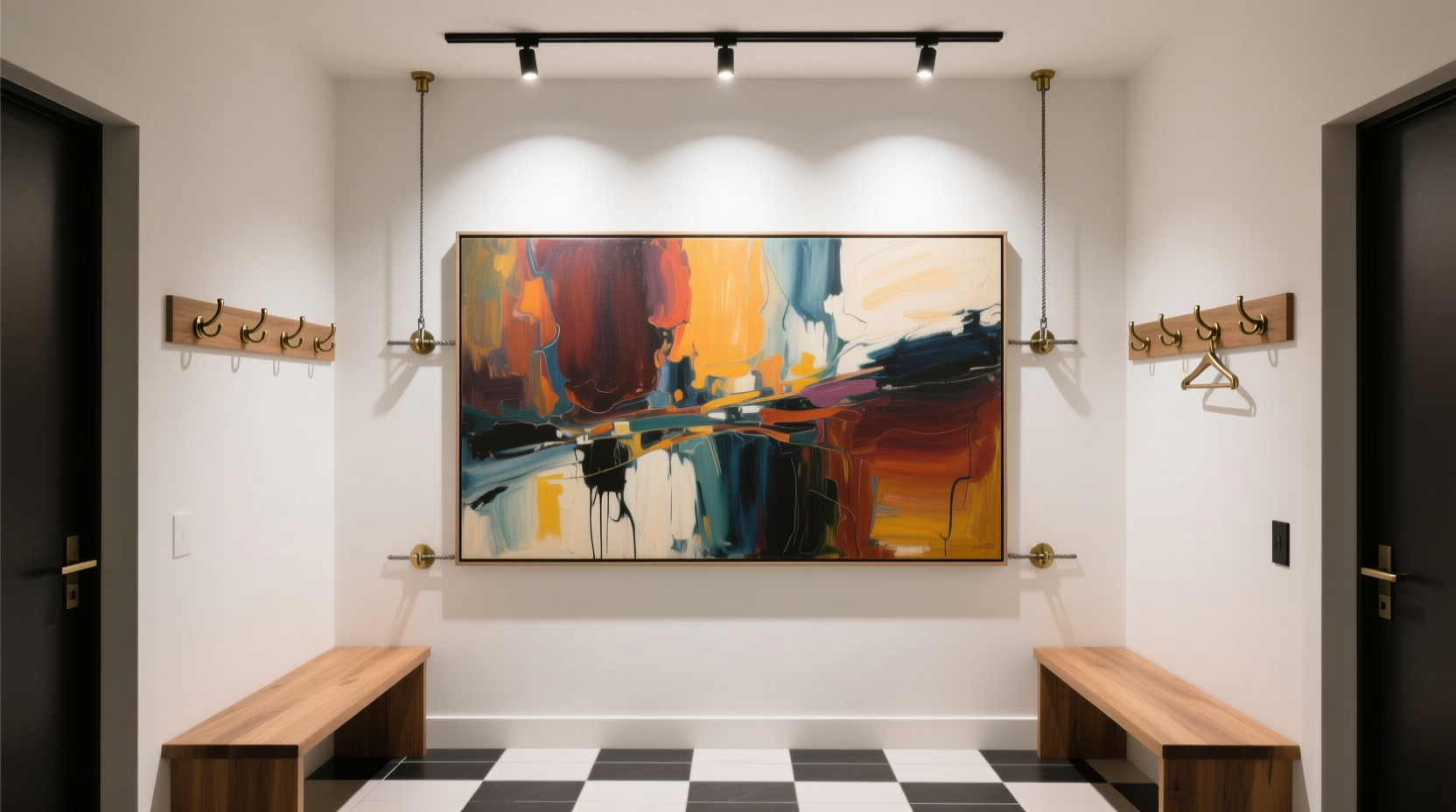
The first step is choosing a piece that suits both the physical dimensions and the atmosphere of the cloakroom. Large paintings demand attention, but in tight spaces, proportionality matters. A canvas wider than 36 inches can dominate without overwhelming if balanced correctly. Consider vertical pieces for narrow rooms—they draw the eye upward, creating an illusion of height.
Material durability is equally important. Avoid delicate finishes like unvarnished canvas or works on paper. Instead, opt for oil or acrylic paintings with protective varnish, or even metal-backed prints that resist moisture. Frame weight also influences mounting requirements; solid wood or ornate frames add significant load, which must be accounted for during installation.
Assessing Wall Type and Structural Integrity
Not all walls are created equal. The method you use to hang your painting depends entirely on what lies behind the surface. In most homes, cloakrooms feature drywall over wooden studs, but older buildings may have lath and plaster or masonry walls. Each requires different hardware and techniques.
Locating wall studs is essential when hanging heavy art. Studs provide the strongest anchor points, capable of supporting up to 100 pounds per fastener when properly secured. Use a stud finder to map their position—typically spaced 16 or 24 inches apart. If your desired placement doesn’t align with studs, high-quality toggle bolts or snap toggles can distribute weight across the drywall effectively.
“Hanging heavy art on drywall without proper anchors is one of the most common causes of wall damage and accidents.” — Daniel Reyes, Master Installer & Fine Art Handler
Wall Type Comparison and Recommended Fasteners
| Wall Type | Weight Capacity (per fastener) | Recommended Hardware |
|---|---|---|
| Wood Stud | 80–100 lbs | 2.5” Wood Screw |
| Drywall (with toggle bolt) | 30–50 lbs | Snaptoggle or Molly Bolt |
| Plaster & Lath | 25–40 lbs | Heavy-duty plastic anchor or screw-in molly |
| Concrete/Masonry | 75+ lbs | Tapcon screw with masonry bit |
Step-by-Step Installation Process
Installing a large painting requires precision, patience, and the right tools. Follow this sequence to ensure both safety and aesthetic alignment.
- Gather Supplies: Stud finder, level, tape measure, pencil, drill, appropriate screws and anchors, D-rings or sawtooth hangers, wire or cleat system.
- Measure the Painting: Note the distance between hanging hardware on the back. Mark center points on the wall where the fasteners will go.
- Locate Studs: Use the stud finder to determine if your marks align with structural support. Adjust positioning slightly if needed.
- Install Mounting Hardware: For stud-mounted installations, drive screws partway in, leaving enough exposed to hook the wire or D-ring. For drywall-only mounts, install toggles first, then attach screws.
- Hang the Painting: Lift carefully with a helper. Align the wire or cleat with the wall hooks. Gently lower until seated.
- Level and Secure: Use a small level across the top frame. Adjust as needed. Confirm all fasteners are tight.
Achieving Maximum Visual Impact
Security is paramount, but so is presentation. A well-hung painting should command attention without disrupting the functionality of the cloakroom. Center the artwork at eye level—typically 57 to 60 inches from the floor to the center of the frame—for optimal viewing. In cloakrooms with mirrors or shelving, ensure the painting doesn’t compete visually. Leave at least 6 inches of clearance around the frame to prevent a cluttered feel.
Lighting dramatically enhances impact. Install a small picture light above the painting or use recessed ceiling lights angled toward the wall. LED strips inside a floating frame can create a halo effect, adding depth and drama. Choose warm white tones (2700K–3000K) to complement most color palettes and skin tones.
Consider the narrative flow. Is the cloakroom the first space guests encounter? A vibrant abstract piece can energize entry. A serene landscape offers calm before entering busier areas. Let the painting set the tone.
Cloakroom Art Placement Checklist
- ✅ Confirm wall type and structural capacity
- ✅ Locate studs or select appropriate anchors
- ✅ Measure and mark hanging points accurately
- ✅ Use two-person lift for safe installation
- ✅ Level and verify stability post-hang
- ✅ Add focused lighting for enhanced visibility
- ✅ Ensure clearance from doors, hooks, and shelves
Real-World Example: Transforming a Narrow City Apartment Cloakroom
In a Brooklyn brownstone renovation, interior designer Mara Lin faced a 3-foot-wide cloakroom with low natural light and no obvious focal point. She selected a vertical 40” x 60” indigo abstract piece framed in matte black aluminum. Knowing the drywall spanned between studs, she used two Snaptoggle bolts rated for 50 pounds each, paired with corrosion-resistant screws.
To maximize impact, she centered the painting at 58 inches and installed a slim, dimmable LED picture light. The result was immediate: the once-dull passage became a conversation starter. “People pause when they see it,” Lin noted. “It feels intentional, not incidental.” The secure mount has held firm through two years of daily use and seasonal humidity shifts.
Frequently Asked Questions
Can I hang a large painting on drywall without hitting a stud?
Yes, but only if you use the correct anchors. Toggle bolts or snap toggles are designed to support heavy loads in hollow walls. Never rely on plastic anchors or nails for artwork over 20 pounds.
How do I prevent the painting from tilting forward?
Tilting often occurs when the hanging wire is too loose or attached too high on the frame. Attach D-rings about one-third down from the top of the frame and keep the wire taut—allowing just enough slack to hook onto wall screws. This reduces forward pull and keeps the piece flush.
Is it safe to hang valuable art in a cloakroom?
Yes, provided environmental conditions are stable. Avoid placing artwork directly near radiators, vents, or exterior doors where temperature and humidity fluctuate. Use UV-protective glass or acrylic if natural light is present to prevent fading.
Final Thoughts: Elevate the Everyday
The cloakroom is more than a functional stopover—it’s a hidden canvas for expression. By securing your large painting with care and intention, you turn a transient space into a memorable one. Every element, from structural anchoring to lighting and placement, contributes to both safety and aesthetic power. When done right, a single bold piece can define the character of your entire home.




 浙公网安备
33010002000092号
浙公网安备
33010002000092号 浙B2-20120091-4
Comments
No comments yet. Why don't you start the discussion?