
Dumpling purses have become a fashion staple—beloved for their soft silhouette, slouchy charm, and effortless sophistication. But that same relaxed structure makes them particularly vulnerable to misshaping over time. Without proper care, what was once a beautifully rounded, voluminous bag can collapse into a lifeless heap. Maintaining its form isn’t just about aesthetics; it preserves functionality, protects material integrity, and extends the lifespan of your investment. This comprehensive guide walks you through proven methods to preserve and restore your dumpling purse’s ideal shape using smart daily habits, correct storage, and targeted restoration techniques.
The Anatomy of a Dumpling Purse: Why Shape Matters
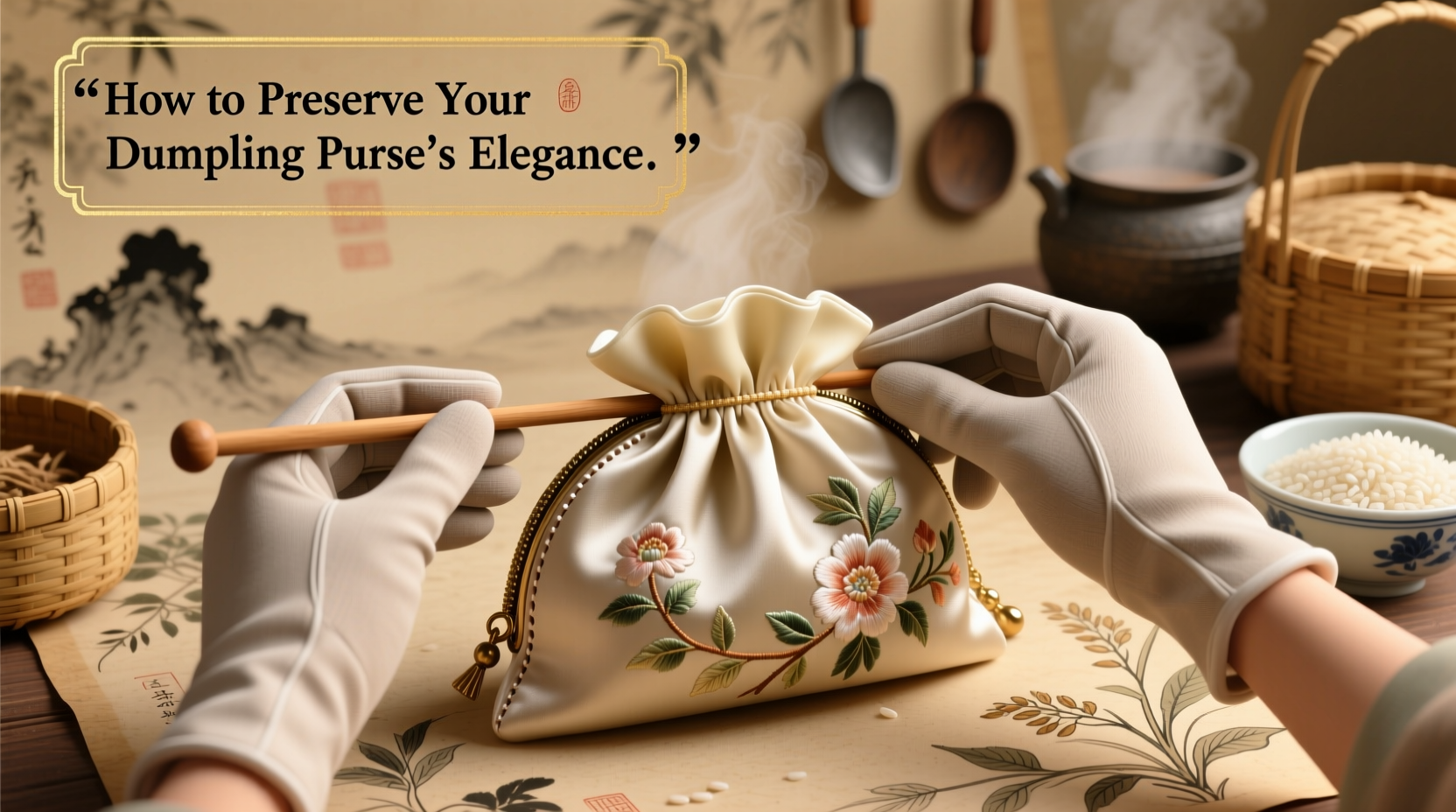
Dumpling purses are defined by their gathered top closure, typically secured with drawstrings or magnetic snaps, and their bottom-heavy volume that tapers inward toward the opening. Unlike structured handbags with rigid frames, dumpling bags rely on fabric resilience, internal stitching, and proper stuffing to hold their iconic shape. Materials like leather, suede, canvas, or quilted textiles each respond differently to stress, moisture, and gravity. Over time, repeated use, improper storage, or exposure to environmental factors can lead to sagging, creasing, or permanent deformation.
The loss of shape diminishes not only visual appeal but also usability. A collapsed bag is harder to open, disorganized inside, and more prone to wear at stress points such as the base corners or strap attachments. Preserving structure from day one ensures the bag performs as intended and retains resale value.
“Shape retention starts the moment you unbox the bag. How you handle and store it daily determines whether it ages gracefully or collapses prematurely.” — Lena Torres, Luxury Accessory Conservator
Daily Maintenance Habits to Prevent Misshaping
Prevention is far more effective than restoration. Incorporating small, consistent practices into your routine can dramatically extend the structural life of your dumpling purse.
- Avoid overloading: These bags are designed for light to moderate carry. Exceeding capacity strains seams and pulls down the sides, leading to irreversible stretching.
- Rotate usage: Give your bag 24–48 hours of rest between uses. Continuous wear prevents materials from rebounding naturally.
- Handle by the body, not straps: Lifting or carrying by thin straps concentrates pressure on attachment points, which can distort the top opening and cause drooping.
- Keep contents organized: Use small pouches or inserts to prevent loose items from shifting and creating uneven bulges.
Proper Storage Techniques for Long-Term Shape Preservation
How you store your dumpling purse when not in use is arguably the most critical factor in shape maintenance. Incorrect storage leads to flat spots, creases, and weakened structure.
Always clean the bag before storing. Dust, oils, or residue can degrade materials over time. Once clean, follow these steps:
- Loosely fill the interior with acid-free tissue paper or soft cotton cloths. Avoid newspaper (ink transfer) or plastic bags (traps moisture).
- Close the drawstring or snap gently—don’t pull tight enough to create deep folds.
- Place the bag upright in a dust bag. Never store bare or in plastic.
- Store in a cool, dry closet away from direct sunlight or heat sources.
- Position it so it won’t be crushed by other items. Use a dedicated shelf or cubby.
| Storage Method | Recommended? | Reason |
|---|---|---|
| Hanging by straps | No | Causes shoulder stretch and distorts top opening |
| Lying flat without support | No | Flattens the rounded base and creates creases |
| Upright with tissue stuffing | Yes | Maintains natural volume and supports side walls |
| In original box with padding | Yes | Protects from dust and physical pressure |
| Near windows or radiators | No | Heat and UV rays dry out leather and fade colors |
Restoring a Misshapen Dumpling Purse: A Step-by-Step Guide
If your bag has already lost its form, don’t discard it. With patience and the right method, you can often restore its original silhouette.
Step 1: Clean Gently
Use a manufacturer-recommended cleaner for the material. For leather, use a pH-balanced wipe; for fabric, a soft brush with mild soap. Dirt and grime stiffen fibers and inhibit recovery.
Step 2: Dry Completely
Never attempt reshaping a damp bag. Air-dry at room temperature, away from direct heat. Moisture weakens stitching and promotes mold.
Step 3: Re-Stuff Strategically
Begin with a firm base layer of crumpled acid-free paper or a small fabric roll to lift the bottom. Then add soft stuffing—like wool socks or linen rags—around the sides to encourage outward expansion. Do not overpack; the goal is gentle support.
Step 4: Reshape Gradually
Close the bag loosely and let it sit undisturbed for 48–72 hours. Check progress daily. If creases remain, lightly steam the exterior from 6 inches away (for non-suede materials), then immediately re-stuff.
Step 5: Final Conditioning (Leather Only)
After reshaping, apply a thin layer of leather conditioner to restore suppleness and help the material “remember” its shape.
Mini Case Study: Reviving a Vintage Leather Dumpling Bag
Sophie, a vintage accessory collector, inherited a 1990s buttery leather dumpling bag from her aunt. Though structurally sound, years of being stored flat in a drawer had caused the sides to cave inward and the base to develop sharp fold lines. She followed the restoration process: first cleaning with a lanolin-based leather wipe, then stuffing with rolled silk scarves and tissue. She kept it upright in a breathable cotton bag for five days, adjusting the stuffing twice. By day six, the purse had regained 90% of its original plumpness. A final application of conditioning cream erased minor surface cracks. Today, it’s one of her most-worn pieces—proof that patient restoration works.
Material-Specific Care Checklist
Different materials demand tailored approaches. Use this checklist to ensure your care routine matches your purse’s composition.
✅ For All Materials
- Clean after every few uses
- Stuff when storing
- Use a dust bag
- Avoid extreme temperatures
✅ For Leather & Suede
- Condition every 2–3 months
- Use suede brush for nap restoration
- Never use alcohol-based cleaners
✅ For Fabric & Canvas
- Vacuum gently with brush attachment
- Treat stains immediately
- Allow full air drying after cleaning
✅ For Structured Quilted Designs
- Preserve stitch lines with light steaming
- Avoid crushing the padding
- Store vertically to maintain diamond definition
Frequently Asked Questions
Can I use newspaper to stuff my dumpling purse?
No. Newspaper ink can transfer onto light-colored linings, and the paper breaks down over time, leaving debris. Use acid-free tissue paper or clean cotton cloths instead.
How often should I re-stuff my bag during storage?
Check monthly. Stuffing materials compress over time. Refresh the filling every 4–6 weeks to maintain consistent support.
Is it safe to steam a synthetic dumpling purse?
Exercise caution. Synthetic materials may melt or warp under high heat. Test on an inconspicuous area first, and keep the steamer at least 8 inches away.
Final Thoughts: Shape Is Part of the Story
Your dumpling purse isn’t just an accessory—it’s a blend of design, craftsmanship, and personal expression. Its shape tells the story of how it’s been treated. With mindful handling, intelligent storage, and timely intervention when needed, you can keep it looking vibrant and voluminous for years. The effort you invest in preservation pays off in longevity, elegance, and confidence every time you reach for it.




 浙公网安备
33010002000092号
浙公网安备
33010002000092号 浙B2-20120091-4
Comments
No comments yet. Why don't you start the discussion?