
Crystal stud earrings are timeless accessories that combine elegance with versatility. Whether set in sterling silver, gold, or platinum, their brilliance enhances both casual and formal looks. However, even the finest crystals can lose their luster without proper care. Daily exposure to environmental factors, improper handling, and inadequate storage can lead to scratches, cloudiness, and metal tarnish. This guide provides a comprehensive approach to preserving the beauty and longevity of your crystal studs—backed by expert practices and real-world insights.
Understanding Crystal Composition and Vulnerabilities
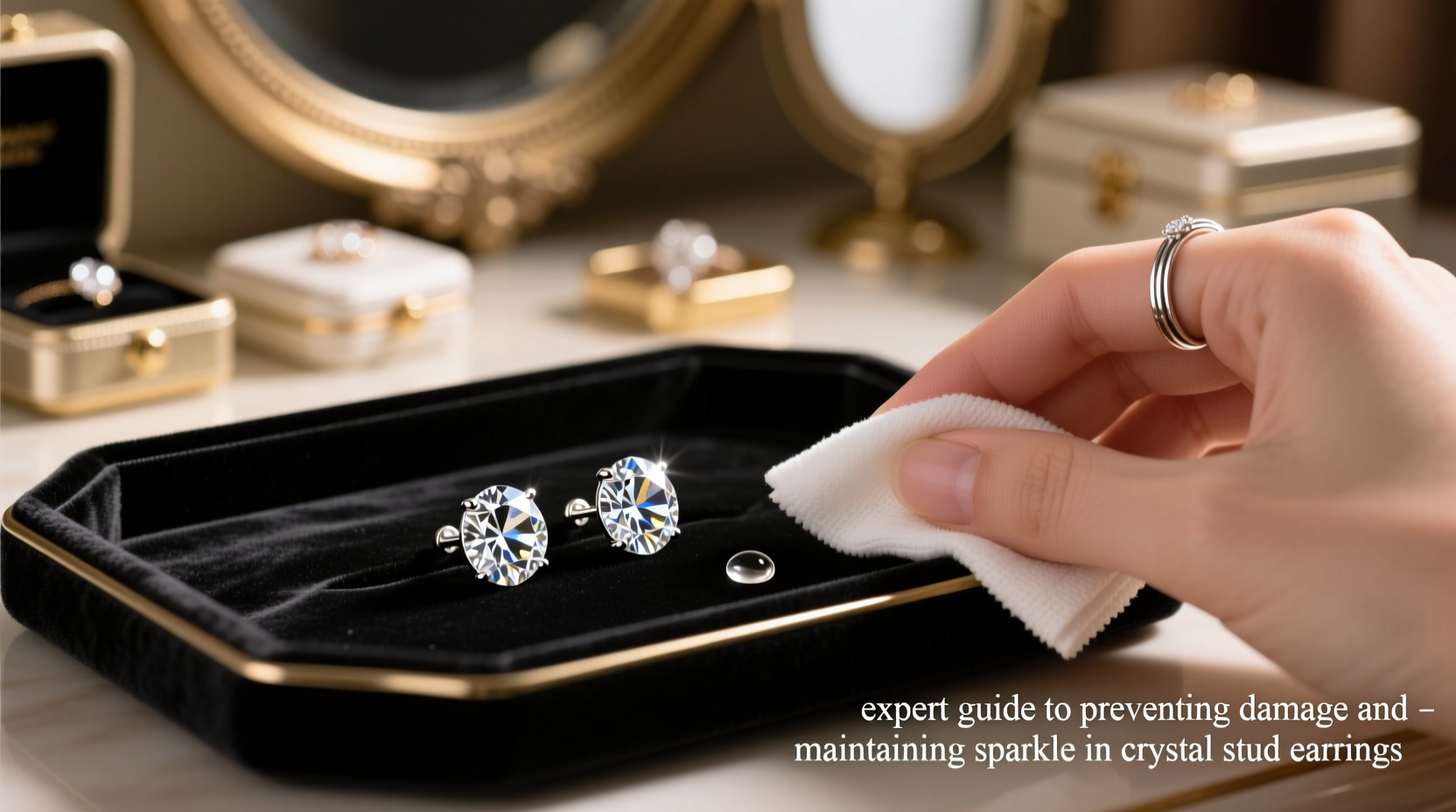
Most crystal stud earrings use either natural gemstones like diamonds or synthetic options such as cubic zirconia and Swarovski crystals. While all sparkle beautifully, each has unique structural properties. Natural crystals are harder but not immune to chipping under impact. Synthetic crystals, though more affordable, are often softer and more prone to surface abrasions.
The metal setting also plays a critical role. Prongs, bezels, and posts made from silver or white gold may tarnish over time due to sulfur exposure in the air. Platinum is more resistant but still requires maintenance. The junction between the crystal and the metal is especially vulnerable—dirt buildup here can loosen settings and dull appearance.
“Even high-quality crystals depend on consistent care. It’s not just about shine—it’s about structural integrity.” — Lila Nguyen, Master Jewelry Conservator at the Metropolitan Art Restoration Lab
Step-by-Step Cleaning Routine for Maximum Brilliance
Cleaning crystal studs should be a gentle, regular process—not reserved for when they appear dull. A bi-weekly routine prevents grime accumulation and maintains clarity. Follow this professional-grade method:
- Remove earrings before bedtime or showering. Water and soap residue can seep into crevices and cloud the crystal.
- Prepare a mild solution: Mix one cup of lukewarm water with a few drops of non-ammonia dish soap.
- Soak for 5–10 minutes. This loosens oils and debris without stressing the stone.
- Use a soft-bristle toothbrush to gently clean around the base and post. Focus on areas where skin oils accumulate.
- Rinse under distilled water (tap water contains minerals that leave spots).
- Dry completely with a microfiber cloth, ensuring no moisture remains near the back of the post.
- Inspect the setting for any signs of looseness or wear.
Avoid ultrasonic cleaners unless explicitly approved by the manufacturer. High-frequency vibrations can dislodge poorly secured stones or create microfractures in softer crystals.
Proper Storage Techniques to Prevent Damage
How you store your earrings determines their long-term condition. Tossing them into a drawer leads to scratches, bent posts, and lost backs. Instead, adopt museum-level preservation habits:
- Store each pair in a separate fabric-lined compartment or individual pouch.
- Keep away from other jewelry to prevent scratching—especially rings or bracelets with rough surfaces.
- Place in a low-humidity environment; excessive moisture accelerates metal oxidation.
- Use anti-tarnish strips if storing silver-based studs.
| Storage Method | Effectiveness | Risk Level |
|---|---|---|
| Jewelry Box with Dividers | High | Low |
| Ziplock Bag with Air Removed | Moderate | Medium (potential static) |
| Tissue Paper Pile in Drawer | Low | High (scratches, loss) |
| Silica Gel + Fabric Pouch | Very High | Very Low |
Real Example: How Neglect Dimmed a Heirloom Pair
Sophie inherited a pair of vintage rhinestone studs from her grandmother—set in 14k gold with intricate milgrain detailing. She wore them weekly but wiped them only occasionally with a napkin. After two years, the stones appeared foggy, and one eventually fell out during an event.
Upon inspection by a jeweler, it was clear that body oils had accumulated beneath the stones, creating a film that blocked light refraction. The prongs had also weakened due to lack of inspection. After professional re-tipping and ultrasonic cleaning (approved for these specific stones), the earrings regained their original fire—but required $120 in repairs.
This case underscores a key truth: minor neglect compounds into major issues. Regular care would have prevented both aesthetic decline and financial cost.
Do’s and Don’ts: Quick Reference Checklist
To simplify best practices, follow this actionable checklist:
- ✅ Do clean every two weeks using a soft brush and mild soap.
- ✅ Do inspect prongs monthly for looseness.
- ✅ Do store in a closed container with desiccant packs in humid climates.
- ✅ Do rotate wear to reduce continuous stress on posts.
- ❌ Don’t wear while swimming, exercising, or cleaning.
- ❌ Don’t use paper towels or tissues to polish—these can scratch.
- ❌ Don’t expose to chlorine, bleach, or acetone-based products.
- ❌ Don’t stack earrings loosely in a box.
Frequently Asked Questions
Can I clean crystal studs with vinegar?
No. Vinegar is acidic and can erode metal settings, particularly silver and plated finishes. It may also damage adhesives used in some crystal mounts. Stick to pH-neutral soaps and distilled water.
Why do my crystal studs look cloudy after cleaning?
Cloudiness often results from mineral deposits left behind by tap water. Always rinse with distilled water and dry thoroughly with a lint-free cloth. If the haze persists, consult a jeweler—there may be internal fracturing or adhesive breakdown.
How often should I have my earrings professionally checked?
At minimum, schedule a professional inspection once a year. For frequently worn pairs, consider twice-yearly checks. A jeweler can tighten settings, polish metal, and detect early signs of wear invisible to the naked eye.
Protecting Your Investment Through Consistent Care
Crystal stud earrings represent both emotional and financial value. Whether they’re a gift, heirloom, or personal indulgence, their enduring sparkle depends on disciplined maintenance. Unlike larger pieces, studs are worn daily and endure constant contact with skin, hair, and clothing. Their small size makes damage less noticeable until it's too late.
By integrating simple rituals—like post-wear wiping, scheduled deep cleans, and intelligent storage—you preserve not only appearance but structural soundness. Over time, well-maintained earrings retain resale value and sentimental significance alike.
“The difference between ordinary and exceptional jewelry care is consistency, not complexity.” — Rafael Torres, Certified Gemologist and Founder of Precision Jewel Care




 浙公网安备
33010002000092号
浙公网安备
33010002000092号 浙B2-20120091-4
Comments
No comments yet. Why don't you start the discussion?