
A well-chosen bedside table is more than a functional piece of furniture—it’s a personal sanctuary within your bedroom. Often overlooked, the cover cloth you place on it plays a quiet but powerful role in defining both the room’s aesthetic and its usability. Whether you're wiping off morning coffee spills, placing down reading glasses, or simply elevating your decor, the right fabric can enhance comfort, protect surfaces, and unify your interior theme. Yet, with countless materials, weaves, and finishes available, choosing the best one requires thoughtful consideration beyond mere appearance.
This guide walks you through the essential factors that determine an ideal bedside table cover cloth—material properties, maintenance needs, design harmony, and real-world functionality—so you can make a decision that lasts as long as your nightly routine.
Understanding Your Needs: Style vs. Function
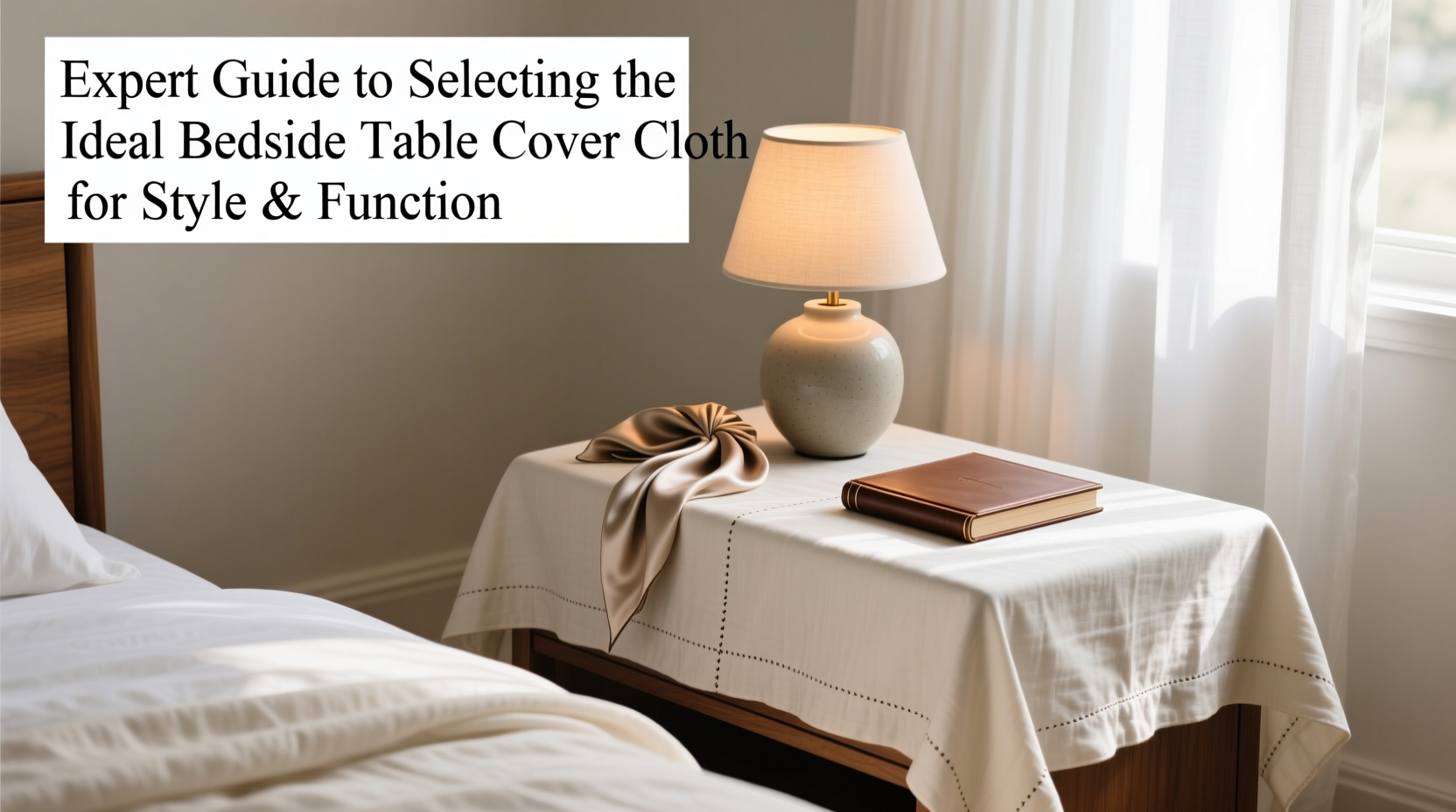
The first step in selecting a cover cloth isn’t browsing fabrics—it’s understanding how you use your bedside table. Are you someone who keeps water glasses, books, and skincare products within arm's reach each night? Or do you prefer a minimalist setup with only a lamp and alarm clock?
If your table sees frequent use, prioritize stain resistance, easy cleaning, and durability. For those focused on visual elegance, delicate textures like silk or embroidered linens may appeal—but they come with higher maintenance demands. The key is balance: a fabric that complements your decor while standing up to daily wear.
Top Fabric Options Compared
Different textiles offer unique benefits and drawbacks. Below is a comparison of common materials used for bedside table cloths, evaluated across four critical categories: durability, ease of cleaning, texture, and compatibility with interior styles.
| Material | Durability | Cleaning Ease | Texture/Feel | Best For |
|---|---|---|---|---|
| Cotton | Medium-High | Easy (machine washable) | Soft, breathable | Everyday use, casual bedrooms |
| Linen | High | Moderate (wrinkles easily) | Rustic, slightly coarse | Scandinavian, farmhouse styles |
| Polyester Blend | Very High | Very Easy | Slick, synthetic | High-traffic rooms, rental properties |
| Silk | Low | Difficult (dry clean only) | Luxurious, smooth | Formal master suites, decorative accents |
| Canvas | Very High | Moderate (spot clean recommended) | Thick, rugged | Bohemian, rustic, or outdoor-themed rooms |
Cotton remains the most popular choice due to its softness, breathability, and straightforward care. Linen offers a naturally elegant drape and ages beautifully, though it wrinkles readily. Polyester blends resist stains and fading, making them ideal for homes with children or pets. Silk adds opulence but demands gentle handling. Canvas provides structure and longevity, especially when paired with bold patterns or tassels.
Step-by-Step Guide to Choosing the Right Cloth
Selecting the perfect cover cloth doesn't have to be overwhelming. Follow this five-step process to ensure your choice aligns with both lifestyle and design goals.
- Measure your table surface. Note the length, width, and height. Decide whether you want a fitted look or a draped overhang. A standard drop ranges from 6–12 inches per side for visual balance.
- Assess usage frequency. If items are frequently placed or removed, choose a durable, low-maintenance fabric. For occasional use or purely decorative purposes, delicate materials become viable options. <3> Evaluate existing décor. Match the cloth’s color, pattern, and texture to your bedding, wall color, and flooring. Neutral tones offer versatility; bold prints create focal points.
- Test fabric samples. Order swatches when possible. Feel the material under natural light, check for shedding, and assess how it interacts with nearby surfaces (e.g., wood finish).
- Review care instructions. Ensure the cleaning method fits your routine. Machine-washable fabrics save time and extend lifespan through regular refreshes.
Real-Life Example: From Cluttered to Cohesive
Sarah, a freelance writer living in Portland, struggled with her chaotic bedroom aesthetic. Her wooden bedside table held a tangled mess of cords, a chipped mug, and mismatched coasters. She wanted a serene space but didn’t know where to start.
After consulting an interior stylist, she chose a medium-weight linen cloth in warm oatmeal tone. The fabric was pre-washed to minimize shrinkage and sized to allow a 9-inch overhang. She paired it with a small ceramic tray to corral electronics and a matching coaster set.
The result transformed not just the table’s appearance but also her nightly routine. Knowing the surface was protected, she began clearing clutter before bed. The linen’s relaxed elegance encouraged consistency. Within weeks, the area became a calming ritual zone rather than a dumping ground.
“Textiles act as anchors in bedroom design—they ground the space and signal intentionality.” — Lena Torres, Interior Stylist & Author of *Bedroom Harmony*
Essential Checklist Before You Buy
- ✅ Measured table dimensions accurately
- ✅ Determined desired overhang length
- ✅ Identified primary use (decorative, protective, or dual-purpose)
- ✅ Checked fabric’s resistance to stains, fading, and pilling
- ✅ Verified washing/dry-cleaning requirements
- ✅ Confirmed color coordination with room palette
- ✅ Tested sample against lighting conditions
- ✅ Considered seasonal changes (e.g., heavier fabrics in winter)
Frequently Asked Questions
How often should I wash my bedside table cloth?
For daily-use environments, wash every 1–2 weeks to remove dust, oils, and spills. In low-traffic settings, once a month is sufficient. Always follow manufacturer guidelines to preserve fabric integrity.
Can I use a tablecloth protector underneath?
Yes, especially if your table has a delicate finish. A thin, non-slip pad or vinyl-backed protector prevents slipping and adds an extra layer of moisture resistance without compromising aesthetics.
Are there eco-friendly options available?
Absolutely. Organic cotton, hemp, and TENCEL™ are sustainable choices that combine softness with environmental responsibility. Look for GOTS (Global Organic Textile Standard) certification to verify ethical production.
Final Thoughts: Elevate Your Nightly Ritual
Your bedside table is more than furniture—it’s part of your wind-down ritual, a companion to late-night reading, and a silent supporter of restful sleep. The cover cloth you choose reflects your attention to detail and respect for personal space. By prioritizing both form and function, you invest in a small element that yields outsized returns in comfort and cohesion.
Don’t settle for whatever’s on sale or what matches superficially. Take the time to assess your needs, test materials, and envision how each option contributes to the atmosphere you want to create. A thoughtfully selected cloth does more than protect wood—it enhances mood, supports habits, and ties your bedroom together with quiet elegance.




 浙公网安备
33010002000092号
浙公网安备
33010002000092号 浙B2-20120091-4
Comments
No comments yet. Why don't you start the discussion?