
Mini backpacks have become a staple in modern wardrobes—compact, stylish, and surprisingly functional. Whether you're using one for daily errands, travel, or as a fashion statement, its longevity depends on more than just the initial build quality. The way you use, store, and maintain it plays a critical role in how long it stays in prime condition. Most wear and tear isn’t inevitable; it’s preventable with smart habits. By applying expert-backed strategies, you can significantly extend the life of your mini backpack and keep it looking sharp for years.
Choose the Right Material for Your Lifestyle
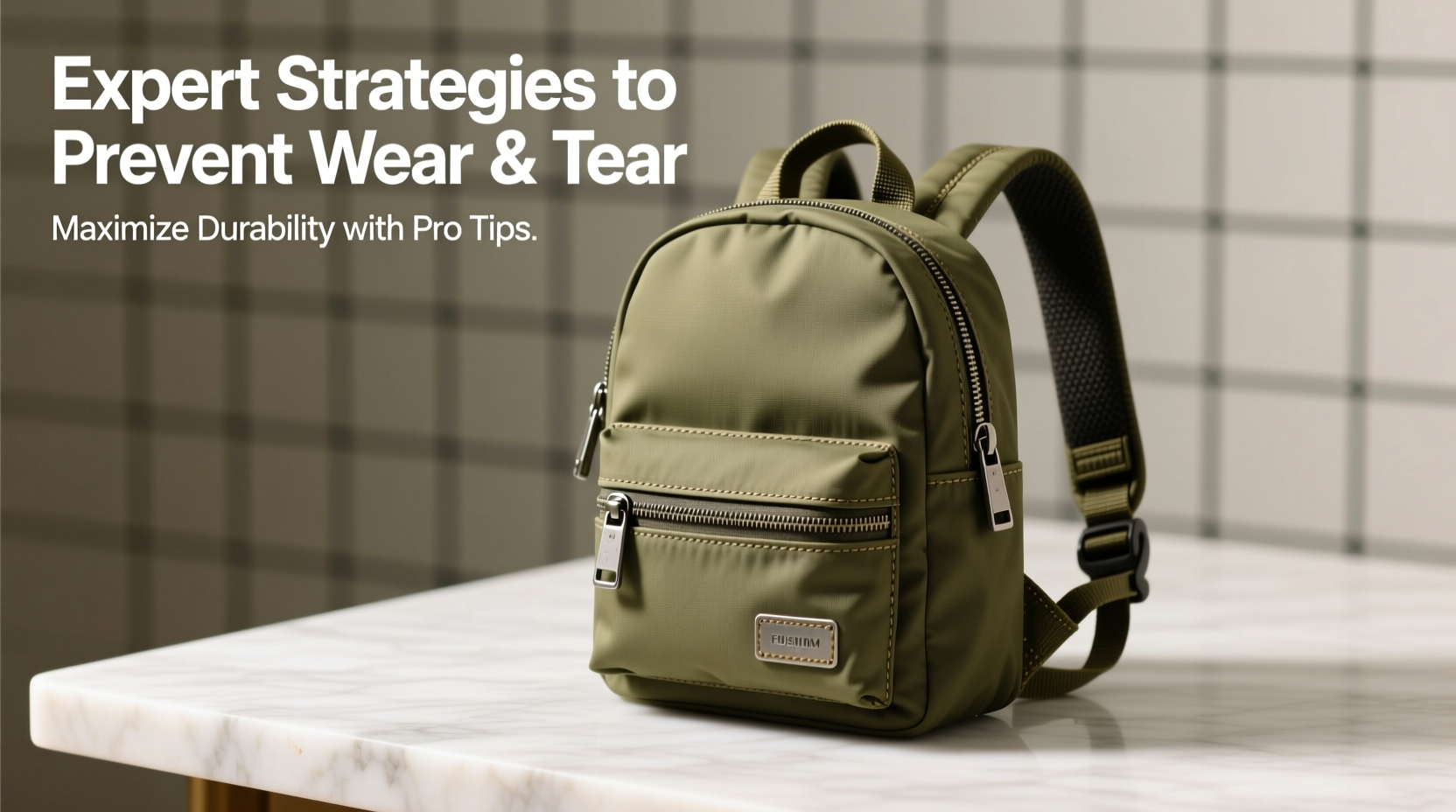
The foundation of durability starts with material selection. Not all mini backpacks are created equal, and understanding fabric strengths helps you make informed choices based on your routine.
| Material | Durability Level | Best For | Vulnerabilities |
|---|---|---|---|
| Nylon | High | Active use, outdoor environments | Fading in prolonged sun exposure |
| Polyester | Moderate-High | Daily urban wear | Less breathable, prone to pilling |
| Leather (genuine or synthetic) | High (with care) | Formal or fashion-focused use | Water damage, drying out if unconditioned |
| Cotton Canvas | Moderate | Casual, low-stress settings | Stains easily, absorbs moisture |
Selecting a material that aligns with your environment reduces stress on the bag from day one. For example, nylon is ideal for commuters who face rain or rugged transit, while leather suits those who prioritize aesthetics and controlled conditions.
Adopt a Proactive Maintenance Routine
Prevention is far more effective than repair. A consistent maintenance schedule keeps minor issues from becoming major flaws. Think of your mini backpack like footwear—regular attention prevents cracks, fraying, and structural breakdown.
- Weekly wipe-down: Use a damp microfiber cloth to remove surface dust and grime, especially along straps and zippers.
- Monthly deep clean: Depending on material, use a mild soap solution (for synthetics) or leather conditioner (for genuine leather).
- Inspect hardware: Check zippers, buckles, and stitching monthly. Tighten loose threads early to avoid unraveling.
- Air it out: After heavy use, leave the bag open in a ventilated area overnight to prevent odor buildup and mildew.
Over time, dirt and oils accumulate and degrade fabric integrity. Sweat from shoulder straps, for instance, can corrode nylon webbing. Regular cleaning mitigates this slow deterioration.
Store It Like a Professional
How you store your mini backpack when not in use has a direct impact on its lifespan. Poor storage leads to misshapen structure, color fading, and mold growth.
- Always empty the bag before storing—residual items create pressure points and stretch compartments.
- Stuff loosely with acid-free tissue paper or soft clothing to help retain shape without over-expansion.
- Keep away from direct sunlight and heat sources like radiators, which accelerate UV degradation and drying.
- Use a breathable cotton dust bag instead of plastic, which traps moisture and encourages mildew.
- Hang only if designed for it; otherwise, store flat on a shelf to avoid strap strain.
“Consistent care and proper storage can double a bag’s lifespan.” — Emma Clarke, Fashion Care Expert
Handle Usage With Intention
Everyday habits contribute more to wear than most realize. Overloading, dragging, and improper handling are silent killers of mini backpacks.
Common Mistakes That Accelerate Wear
- Overstuffing: Forces seams and zippers beyond design limits, leading to split stitching or broken sliders.
- Dropping or dragging: Abrades the base, especially on rough pavement. Pick it up properly by the top handle or straps.
- Using sharp objects inside: Pens, keys, or tools can puncture lining or scratch outer surfaces over time.
- Wearing in extreme weather: Rain, snow, and sand introduce abrasives and moisture that compromise materials.
Real Example: The Commuter’s Backpack Breakdown
Sophia, a graphic designer in Seattle, loved her sleek black mini backpack but noticed peeling at the base and stiffening straps after just eight months. She carried it daily through rainy streets, often stuffing it with her tablet, sketchbook, and umbrella. Upon inspection, the issue wasn’t poor craftsmanship—it was usage mismatch. The cotton-poly blend wasn’t water-resistant, and constant dampness led to fiber breakdown. Switching to a waterproof nylon model and adopting a habit of wiping it down after wet commutes extended her next bag’s life to over three years.
Step-by-Step Guide to Quarterly Backpack Assessment
Performing a seasonal evaluation helps catch issues early. Follow this five-step checklist every three months:
- Empty and inspect: Remove all contents and examine interior lining for tears, stains, or weak seams.
- Clean thoroughly: Wipe exterior with appropriate cleaner; use a soft brush for textured areas like mesh pockets.
- Test zippers and closures: Glide each zipper fully open and closed. Apply a small amount of zipper lubricant if resistance occurs.
- Check load-bearing parts: Inspect straps, D-rings, and stitching near anchor points for fraying or loosening.
- Condition if needed: Apply leather balm or fabric protector spray based on material type.
This routine takes less than 20 minutes but can prevent costly replacements down the line.
FAQ
Can I wash my mini backpack in the washing machine?
Generally, no. Machine washing can damage stitching, warp frames, and ruin coatings. Hand-washing with lukewarm water and mild detergent is safer. Always air dry—never use a dryer.
How do I remove odors from the inside?
Sprinkle baking soda inside, let it sit overnight, then vacuum gently with a brush attachment. For persistent smells, place an open container of activated charcoal inside for 48 hours.
What should I do if the zipper gets stuck?
Do not force it. Use a graphite pencil or specialized zipper lubricant to ease movement. If the slider is damaged, take it to a repair specialist instead of replacing the entire bag.
Final Checklist: 7 Habits for Long-Term Backpack Health
- ✔️ Clean weekly and deep clean quarterly
- ✔️ Store in a dust bag, away from sunlight
- ✔️ Avoid overloading—stick to essential items
- ✔️ Rotate between multiple bags if used daily
- ✔️ Address small damages immediately
- ✔️ Use protective sprays for water and stain resistance
- ✔️ Perform seasonal inspections
Conclusion
Durability isn’t just about what a mini backpack is made of—it’s about how you treat it. With thoughtful usage, regular maintenance, and intelligent storage, even the most compact bag can endure years of reliable service. These strategies don’t demand extra time or effort; they simply require awareness and consistency. Start today by giving your current backpack a quick inspection and cleaning. Small actions compound into significant results. Your future self will thank you when your favorite mini backpack still looks and functions like new, long after others have been discarded.




 浙公网安备
33010002000092号
浙公网安备
33010002000092号 浙B2-20120091-4
Comments
No comments yet. Why don't you start the discussion?