
Sheer curtains bring lightness and grace to any room, but their true potential is unlocked when paired with thoughtful accessories. Among the most refined options are camellia flower tiebacks—elegant, botanical-inspired accents that add sophistication without overpowering delicate fabrics. However, even the most beautiful tieback can fall short if not adjusted properly. The height, tension, symmetry, and positioning all influence how the curtain drapes and how the camellia accent is displayed. When done right, the result is a seamless blend of soft fabric and floral detail that elevates your interior aesthetic.
The Role of Tiebacks in Curtain Styling
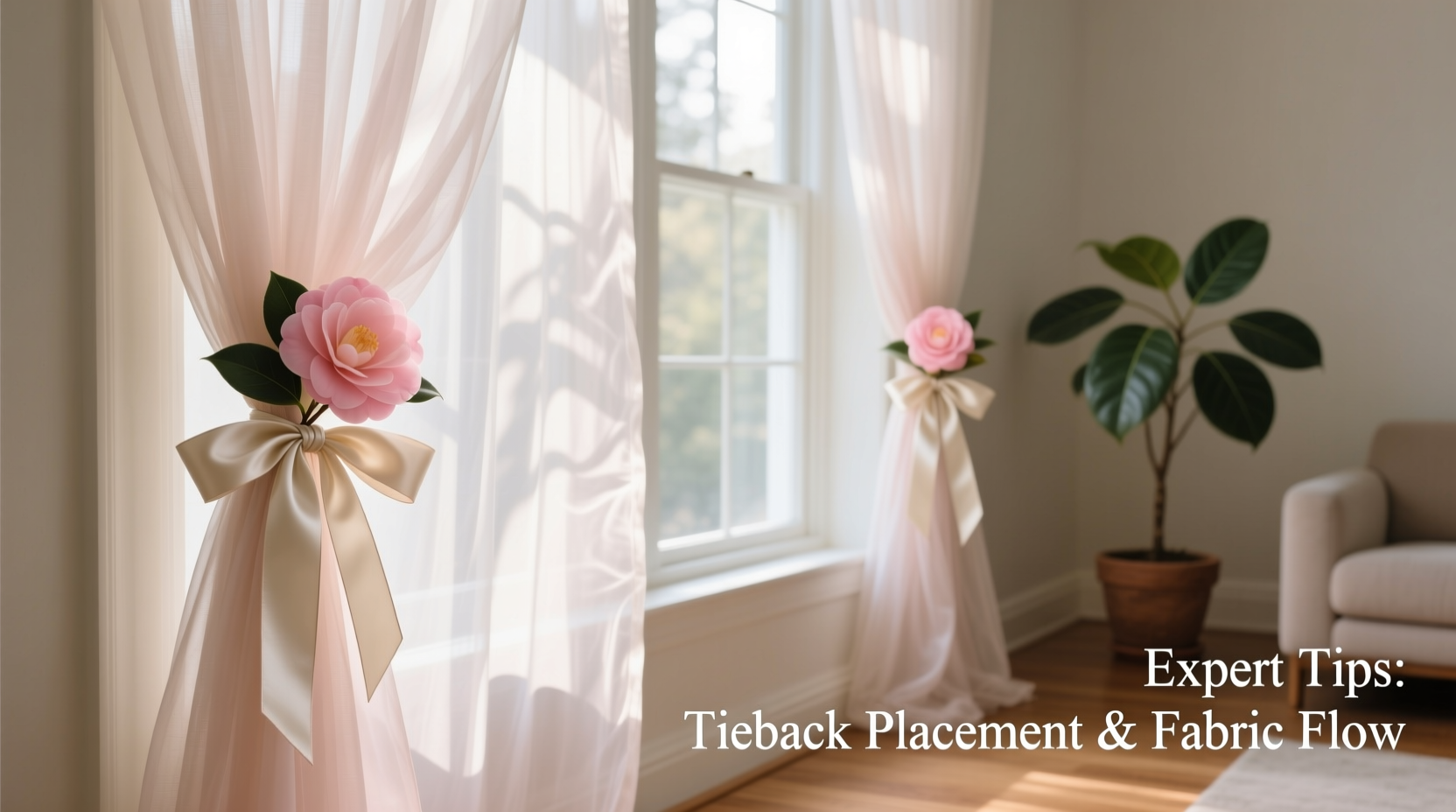
Tiebacks do more than hold curtains open—they shape the visual rhythm of a window. With sheer fabrics, which drape fluidly and catch light subtly, the way they are gathered or held back significantly affects ambiance. Camellia flower tiebacks, often crafted from silk, resin, or fabric blooms on decorative stems, serve both functional and ornamental roles. They prevent sheer panels from drifting across windowsills while introducing a touch of nature-inspired artistry.
Yet many homeowners install these tiebacks at default heights or use them haphazardly, undermining their impact. Proper adjustment ensures the curtain forms a graceful arc, the camellia sits at eye level or in harmony with other décor elements, and the overall look feels intentional rather than incidental.
Step-by-Step Guide to Adjusting Camellia Flower Tiebacks
- Measure the curtain length and window height. Start by noting the full drop of your sheer curtain and the distance from floor to ceiling. This helps determine ideal tieback height based on proportion.
- Determine the golden ratio point. For most rooms, placing the tieback between one-third and two-fifths up the curtain (measured from the floor) creates an elegant gather. For an 8-foot window, this typically falls between 30 and 40 inches from the floor.
- Mark temporary positions. Use removable painter’s tape to mark both sides of the window at your chosen height. Step back and assess symmetry and visual balance.
- Attach mounting hardware loosely. Whether using hooks, knobs, or brackets, install them so they can be repositioned easily during testing.
- Drape and adjust. Pull the sheer panel gently toward the tieback. Observe how the fabric pools or fans out. The camellia should sit just above or beside the gathered fold, not buried within it.
- Refine spacing and angle. Rotate the tieback stem slightly outward so the bloom faces into the room. Ensure both sides mirror each other in height and projection.
- Secure permanently. Once satisfied, tighten screws or adhesive mounts and remove tape.
Design Considerations for Maximum Elegance
Adjustment isn’t only about mechanics—it’s also about aesthetics. Camellia tiebacks vary in size, color, and realism. A large, creamy white bloom commands attention and works best in spacious rooms with high ceilings. Smaller, blush-pink versions suit cozy bedrooms or breakfast nooks. Consider the following factors when refining placement:
- Color coordination: Match the camellia hue to nearby upholstery, florals, or wall tones. A pale pink tieback near a rose-toned armchair creates continuity.
- Symmetry vs. rhythm: While matching heights on both sides are essential, slight variations in stem curvature can add organic charm—just avoid chaotic angles.
- Clearance and clearance: Ensure the tied-back curtain doesn’t obstruct blinds, sills, or furniture. Leave at least 4–6 inches of space behind the gathered fabric.
- Light interaction: Position tiebacks so the camellia catches ambient light, enhancing texture and dimension.
“Floral tiebacks like camellias work best when they feel like part of the room’s narrative, not just accessories slapped on a window.” — Lila Chen, Interior Stylist & Textile Designer
Do’s and Don’ts: Common Adjustment Mistakes
| Do’s | Don’ts |
|---|---|
| Adjust tiebacks seasonally—lighter gathers in summer, fuller draping in winter. | Place tiebacks too high, causing curtains to bunch awkwardly near the top. |
| Use soft padding on hooks to prevent snagging sheer fabric. | Pull sheer material too tightly, which distorts the drape and stresses seams. |
| Pair camellias with neutral or monochromatic curtains to let the flower stand out. | Combine with overly busy patterns that compete visually with the floral accent. |
| Rotate stems periodically to refresh the bloom’s orientation and reduce dust buildup. | Install mismatched tiebacks—one camellia facing left, another right, without intention. |
Real Example: Enhancing a Sunroom Retreat
In a coastal California sunroom, homeowner Maria installed floor-length ivory sheers to diffuse bright afternoon light. Initially, she used basic rope tiebacks, but the space felt unfinished. After switching to handcrafted camellia tiebacks in soft coral, she struggled with placement—the flowers looked “drowned” in fabric when tied too low, and “floating” when too high.
Following a consultation with her interior decorator, she adjusted the mounting points to 36 inches from the floor, allowing the sheer to form a gentle C-curve. The camellias were angled slightly inward, creating a welcoming frame around the window. The change transformed the room: the tiebacks now drew the eye upward, emphasized the garden view, and added a subtle romantic tone. Guests consistently remarked on the “effortless elegance” of the windows.
Maintenance and Longevity Tips
Camellia flower tiebacks, especially those made from delicate silk or polymer petals, require occasional care to retain their luster. Dust accumulates quickly on textured surfaces, dulling their appearance. Use a soft makeup brush or compressed air duster monthly to clean crevices. For fabric-based blooms, spot-clean with a lightly damp cloth—never immerse.
If mounted with adhesive strips, check monthly for slippage, particularly in humid environments. Reapply with museum-grade putty if needed. For screw-mounted versions, ensure anchors remain tight, especially in older drywall.
Checklist: Perfect Camellia Tieback Adjustment
- ✅ Measured curtain and window dimensions
- ✅ Selected optimal height (30–40% from floor)
- ✅ Tested drape under natural light
- ✅ Ensured symmetry on both sides
- ✅ Positioned camellia to face the room
- ✅ Avoided fabric strain or bunching
- ✅ Verified clearance from furniture and fixtures
- ✅ Cleaned and maintained blooms monthly
Frequently Asked Questions
Can I use camellia tiebacks with heavy curtains?
No—camellia tiebacks are designed primarily for lightweight sheers or voile. Their stems and mounting mechanisms aren’t built to support thick fabrics like velvet or blackout linens, which could damage the structure or pull the mount from the wall.
How do I choose the right camellia size for my window?
Select a bloom diameter proportional to your curtain width. For standard 50-inch panels, a 2.5- to 3.5-inch camellia works well. For wider spans (over 70 inches), consider larger blooms (4 inches) or paired accents to maintain visual weight.
Are magnetic tiebacks suitable for camellia designs?
Only if specifically engineered for it. Standard magnetic systems lack the structural support for three-dimensional floral forms and may cause misalignment. Opt for fixed hooks or decorative knobs instead.
Final Thoughts: Elevate Your Windows with Intention
Camellia flower tiebacks are more than decorative afterthoughts—they’re finishing touches that define a room’s character. When adjusted with precision and styled with intention, they transform sheer curtains from simple window coverings into curated compositions of light, fabric, and form. The small effort invested in proper placement yields lasting rewards in elegance and atmosphere.




 浙公网安备
33010002000092号
浙公网安备
33010002000092号 浙B2-20120091-4
Comments
No comments yet. Why don't you start the discussion?