
Sleep is foundational to health, and even small disruptions can affect energy, mood, and cognitive performance. One of the most effective tools for improving sleep quality—especially in bright environments or irregular schedules—is the sleep eye mask. However, a poorly adjusted mask can cause discomfort, pressure points, or ineffective light blocking. The key isn’t just owning a high-quality mask; it’s learning how to adjust it properly. With expert-backed techniques, you can transform your eye mask from a simple accessory into a precision instrument for deep, restful sleep.
Understand Your Face Shape and Mask Fit
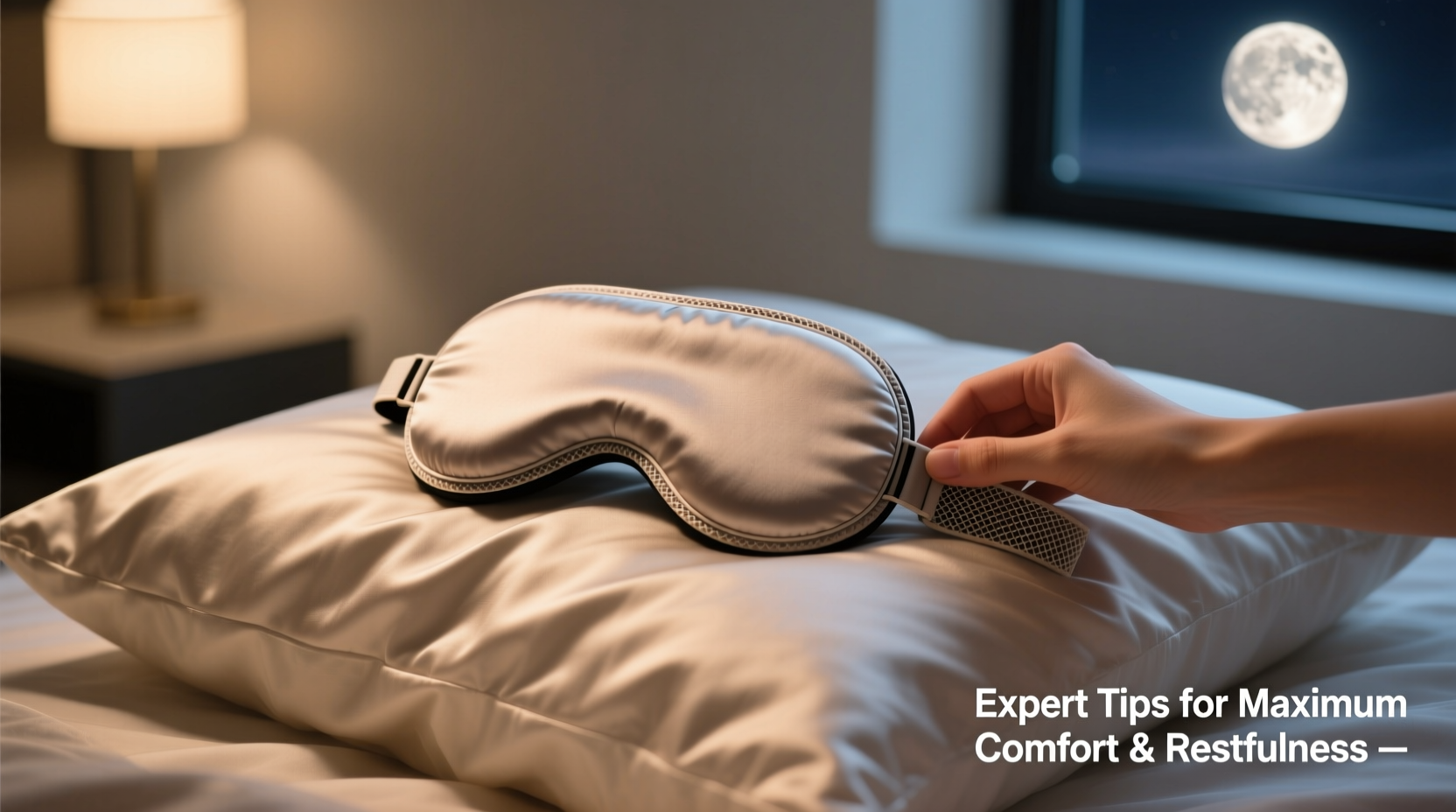
Not all faces are shaped alike, and neither are all eye masks designed to accommodate variations in facial structure. A mask that works perfectly for someone with a narrow nose bridge may press uncomfortably against cheekbones on a broader face. Recognizing your facial contours helps determine which style and adjustment method will work best.
Common face shapes relevant to mask fit include:
- Narrow bridge, high cheekbones: Look for contoured or 3D-shaped masks that create space over the eyes without touching the lashes.
- Rounder facial profile: Opt for wider straps and flexible padding to avoid pinching at the temples.
- Deep-set eyes: Flatter, padded designs often provide better coverage without excessive pressure.
Adjust the Strap for Balanced Pressure
The strap is the most adjustable component of any sleep mask, yet it's often overlooked. Too tight, and it causes headaches or disrupts blood flow; too loose, and light leaks in from the sides. The ideal tension evenly distributes pressure around the back of the head without requiring constant readjustment during the night.
To fine-tune the strap:
- Lie down in your usual sleeping position—this changes facial angles and pressure points.
- Slide the mask into place, letting the padding rest gently on the brow and cheekbone area.
- Secure the strap at the back, then slowly tighten until the mask stays in place with minimal movement but no squeezing sensation.
- If the mask has a dual-strap system (top and bottom), balance both tensions to prevent tilting.
For elastic-free customization, consider masks with Velcro or sliding buckle adjustments. These allow micro-level control and are especially useful for side sleepers who shift positions frequently.
Choose the Right Material for Sensitivity and Breathability
Material affects both comfort and function. Silk and satin reduce friction, making them ideal for delicate skin and eyelash retention. Memory foam provides excellent light blockage but can trap heat if not ventilated. Cotton is breathable but less effective at sealing out light unless layered.
| Material | Pros | Cons | Best For |
|---|---|---|---|
| Silk/Satin | Smooth texture, reduces wrinkles, gentle on lashes | Poor light seal if too thin | Back sleepers, sensitive skin |
| Memory Foam | Superior blackout, conforms to face | Can retain heat, heavier | Nocturnal light exposure |
| Cotton Blend | Breathable, hypoallergenic, easy to wash | May require tightening, less contouring | All-season use |
| 3D Molded Fabric | Space over eyes, lightweight | Limited adjustability | Lash extensions, active sleepers |
Positioning Matters: Align for Total Light Blockage
A common reason masks fail is improper placement. Many users pull the mask too low over the nose or too high above the brows, creating gaps where light enters. The optimal position aligns the top edge just above the eyebrow arch and allows the lower padding to sit flush against the upper cheekbone.
Follow this step-by-step guide for correct alignment:
- Start with clean, dry skin—moisturizer can make straps slippery.
- Hold the mask with palms facing inward and position it over closed eyes.
- Gently press upward toward the forehead to ensure full brow coverage.
- Adjust the nose bridge padding (if present) to seal lateral gaps.
- Tilt your head slightly forward to simulate lying down, then secure the strap.
- Test effectiveness by turning on a nearby light—no glow should appear around the edges.
“Proper alignment of an eye mask can improve melatonin production by eliminating even minor light leaks.” — Dr. Lena Torres, Sleep Neurologist, Cleveland Clinic
Real-World Adjustment: A Case Study
Jamal, a 34-year-old flight attendant, struggled with daytime fatigue despite using a memory foam eye mask on layovers. He reported frequent awakenings and pressure behind his left eye. After consultation with a sleep coach, he discovered two issues: his mask was shifted due to a looser right strap, and the foam compressed unevenly against his higher left cheekbone.
The solution involved switching to a dual-adjustable strap model and repositioning the mask higher on his brow line. He also began storing the mask flat to preserve foam integrity. Within three days, Jamal reported deeper sleep and fewer disturbances—even in brightly lit hotel rooms.
Essential Checklist for Optimal Eye Mask Adjustment
Use this checklist nightly or whenever introducing a new mask:
- ✅ Confirm the mask covers the entire orbital area without touching eyelashes.
- ✅ Adjust the strap so it’s snug but doesn’t indent the skin or cause warmth.
- ✅ Check for light leaks by closing your eyes and testing under ambient light.
- ✅ Ensure the nose bridge fits comfortably—no pinching or gaping.
- ✅ Verify stability when turning side-to-side (simulate movement in bed).
- ✅ Clean the interior fabric weekly to prevent irritation.
Frequently Asked Questions
Can wearing an eye mask every night be harmful?
No, daily use is safe as long as the mask is clean and not overly tight. Avoid pressing directly on the eyeball, as prolonged pressure may contribute to discomfort or dryness. Choose non-compressive styles like 3D or contoured masks for nightly use.
Why does my mask keep slipping off when I sleep on my side?
This typically indicates improper strap tension or poor weight distribution. Try a mask with a silicone grip strip on the strap or switch to a wrap-around design. Also, ensure hair isn’t interfering with strap placement—tuck long hair behind the ears or use a silk pillowcase to reduce slippage.
How do I stop my glasses marks from affecting mask fit?
If you wear reading glasses to bed, look for masks with cutout temples or adjustable side panels. Alternatively, remove glasses before sleep and use a contoured mask that doesn’t rely on temple arms for stability.
Final Thoughts: Small Adjustments, Big Sleep Gains
Optimizing your sleep eye mask isn’t about perfection—it’s about precision. Minor tweaks in positioning, strap tension, and material choice can dramatically enhance comfort and darkness, supporting longer REM cycles and more consistent rest. Whether you're managing shift work, traveling across time zones, or simply optimizing your home sleep environment, taking five minutes to adjust your mask correctly pays dividends in next-day alertness and well-being.




 浙公网安备
33010002000092号
浙公网安备
33010002000092号 浙B2-20120091-4
Comments
No comments yet. Why don't you start the discussion?