
A color block short skirt is a bold fashion statement—its vibrant panels and clean lines make it a standout in any wardrobe. But with striking design comes increased care responsibility. The contrasting fabrics and dyes used in color blocking can react differently to water, heat, and detergents, making improper cleaning a fast track to fading, bleeding, or distortion. To keep your skirt looking fresh season after season, follow these expert-backed practices that prioritize fabric integrity, color retention, and structural longevity.
Understand Your Skirt’s Fabric Composition
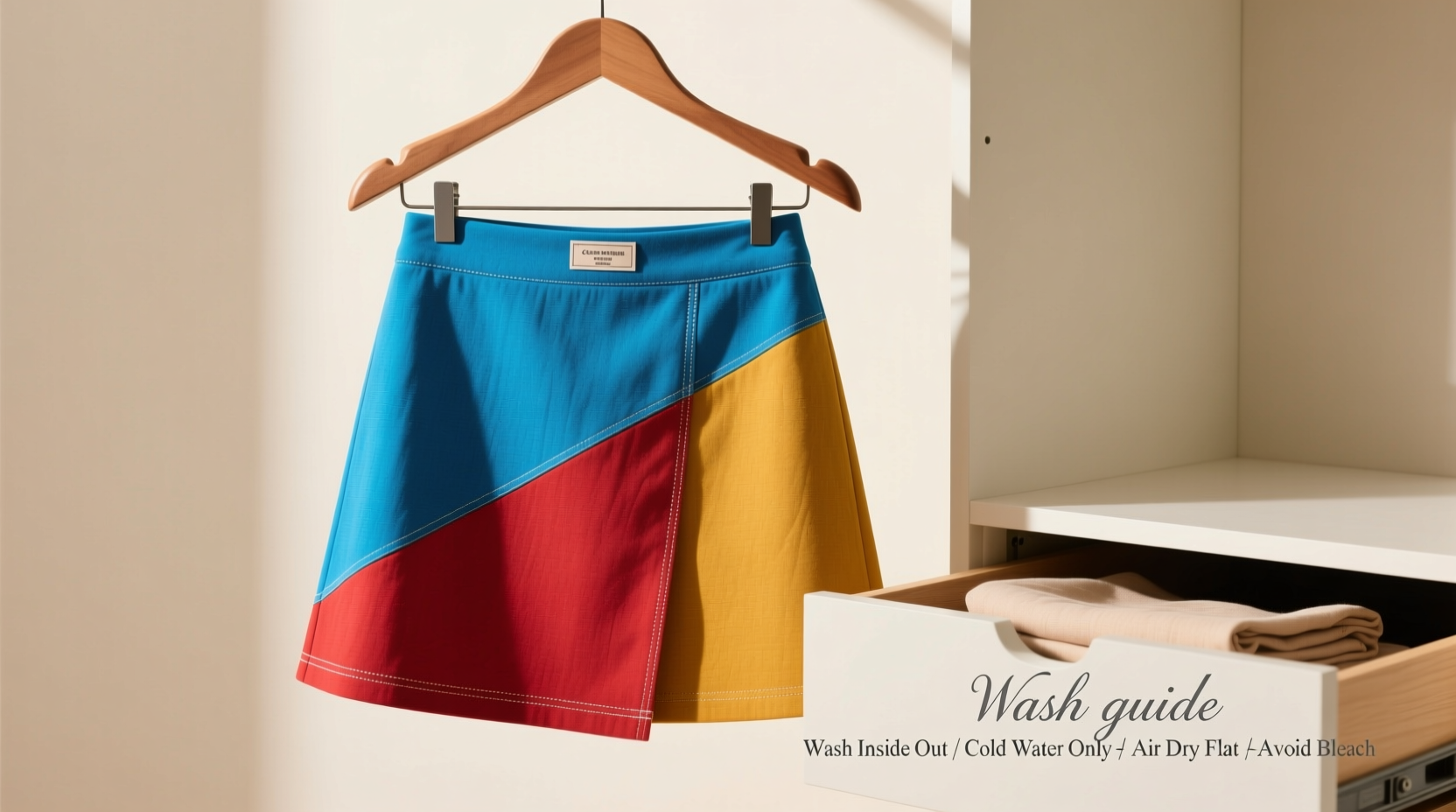
Before you even consider washing your color block skirt, identify the materials used in each section. Many such skirts combine two or more fabrics—such as cotton, polyester, rayon, or spandex—to achieve different textures or fits across color panels. Each material has unique care needs.
Check the garment label for fiber content and manufacturer instructions. If no label exists, perform a discreet fabric swatch test or consult the brand’s website. Ignoring this step risks damaging delicate sections while over-washing sturdier ones.
Pre-Treatment: Spot Cleaning and Stain Management
Not every cleaning session requires a full wash. In fact, frequent laundering accelerates wear. For minor spills or localized soiling, spot cleaning preserves fabric strength and color vibrancy.
Use a soft cloth dampened with cold water and a drop of pH-neutral detergent (like Woolite or a mild hand soap). Gently dab—not rub—the affected area. For oil-based stains, sprinkle cornstarch or talcum powder first to absorb excess grease before cleaning.
“Spot treatment isn’t just about removing stains—it’s about minimizing exposure to water and agitation, which are leading causes of color degradation.” — Lila Nguyen, Textile Conservation Specialist at the Fashion Care Institute
Step-by-Step Guide to Safe Spot Cleaning
- Blot excess residue with a clean, dry cloth.
- Sprinkle absorbent powder on oily spots; wait 15 minutes, then brush off.
- Dampen a microfiber cloth with cold water and a tiny amount of gentle detergent.
- Dab the stain gently from the outside inward to prevent spreading.
- Rinse by dabbing with a clean, water-dampened cloth.
- Air dry flat away from direct sunlight.
Washing Methods: Hand Wash vs. Machine Wash
When a full wash is necessary, hand washing is almost always the safest choice for color block garments. The controlled environment reduces friction, temperature shock, and dye transfer between fabric zones.
If machine washing is unavoidable, turn the skirt inside out, place it in a mesh laundry bag, and use the “delicate” cycle with cold water. Never wash with heavy items like jeans or towels that can cause abrasion.
| Cleaning Method | Best For | Risks |
|---|---|---|
| Hand Wash | All color block skirts, especially mixed fabrics or bright dyes | Time-consuming; requires attention to water temperature |
| Machine Wash (Delicate) | Durable blends with stable dyes | Fraying, color bleed, stretching |
| Dry Cleaning | Skirts with structured lining or specialty fabrics (e.g., acetate) | Chemical sensitivity; potential for solvent-related dulling |
Color Protection Strategies
One of the biggest challenges with color block skirts is preventing dye migration—when one color bleeds into another during washing. This often happens with reds, navies, and deep purples.
To minimize risk, wash new skirts separately the first time. You can also add a color-catcher sheet to the wash to trap loose dye molecules. Avoid chlorine bleach entirely, and opt for oxygen-based cleaners only if absolutely necessary—and even then, test on an inconspicuous seam first.
After washing, rinse thoroughly to remove all detergent residue, which can weaken fibers and dull colors over time.
Do’s and Don’ts for Color Preservation
- Do wash in cold water to reduce dye release.
- Do air dry flat to maintain shape and avoid UV damage.
- Do store away from direct sunlight to prevent fading.
- Don’t tumble dry—heat degrades elastic fibers and sets stains.
- Don’t iron directly on printed or bonded seams.
- Don’t fold sharply along color seams; roll or hang instead.
Real Example: How One Wardrobe Mishap Led to a Permanent Stain
Sophia, a graphic designer in Portland, loved her mustard-and-navy color block skirt for client meetings. After wearing it to a coffee shop, she spilled almond milk on the navy panel. Assuming it was harmless, she tossed the skirt into a mixed load later that week.
The next day, she discovered the mustard yellow had bled slightly into the navy section near the hem. A quick lab analysis revealed that the plant-based milk residue had weakened the dye bond, and warm water during washing triggered migration. The skirt was salvageable only through professional re-dyeing—a costly fix.
Her takeaway? Even organic spills require prompt, targeted care. Now, she keeps a travel-sized stain pen and follows a strict cold-hand-wash routine for all color block pieces.
Drying and Storage Best Practices
How you dry and store your skirt matters as much as how you clean it. Heat from dryers can shrink synthetic blends and degrade spandex, leading to loss of fit. Sunlight, while natural, accelerates photo-degradation of dyes, especially in bright hues like magenta or lime green.
Lay the skirt flat on a clean towel, reshaping the waistband and hem. Rotate occasionally for even drying. Once dry, store it in a breathable cotton garment bag or drawer. Avoid plastic bins, which trap moisture and encourage mildew.
“Improper storage is the silent killer of vibrant apparel. A skirt stored folded in a humid closet for three months may emerge with permanent creases and musty odors—even if never worn.” — Jamal Reed, Sustainable Fashion Consultant
Essential Care Checklist
Keep this checklist handy for every cleaning cycle:
- ✅ Check care label and fabric types
- ✅ Turn skirt inside out
- ✅ Treat stains immediately with spot cleaning
- ✅ Use cold water and mild detergent
- ✅ Wash separately or with similar colors
- ✅ Air dry flat, away from sunlight
- ✅ Store in a cool, dry, ventilated space
- ✅ Inspect monthly for loose threads or seam stress
Frequently Asked Questions
Can I use vinegar to set the colors?
No. While some home remedies suggest adding vinegar to set dyes, this is outdated advice and potentially harmful. Vinegar can alter pH balance and damage protein-based fibers or finishes on synthetic blends. Modern dyes are engineered to be stable without additives—proper washing is sufficient.
What if the colors start to fade?
Fading usually results from UV exposure or repeated washing with harsh detergents. To slow further fading, switch to a color-safe, UV-protectant detergent and always store the skirt out of direct light. Unfortunately, once faded, colors cannot be fully restored at home.
Is dry cleaning better for long-term care?
Only for certain fabrics. Dry cleaning is ideal for structured skirts with linings or non-washable materials. However, frequent dry cleaning uses solvents that can break down dyes and coatings over time. Limit it to twice a year unless visibly soiled.
Final Thoughts: Make Care a Seamless Habit
A color block short skirt is more than clothing—it’s wearable art. Treating it with intention extends not only its lifespan but also your confidence in wearing it. By understanding fabric differences, respecting dye sensitivities, and adopting simple yet precise routines, you protect both aesthetic and structural integrity.
Start today: pull your skirt from the closet, check the label, and assess its condition. Address any small issues now before they become irreversible. With consistent care, your bold fashion choice will remain as vibrant and striking as the day you bought it.




 浙公网安备
33010002000092号
浙公网安备
33010002000092号 浙B2-20120091-4
Comments
No comments yet. Why don't you start the discussion?