
Niche design vests—whether hand-embroidered, beaded, made from silk jacquard, or constructed with avant-garde textiles—are more than fashion statements. They are wearable art, often representing hours of meticulous craftsmanship and rare materials. Yet their beauty comes with fragility. Improper care can lead to fraying threads, faded prints, broken embellishments, or irreversible shrinkage. Preserving these pieces requires a tailored approach that goes beyond standard garment maintenance. Understanding the materials, construction techniques, and environmental sensitivities is essential to extending their lifespan while honoring their artistic integrity.
Understanding the Anatomy of Delicate Vests
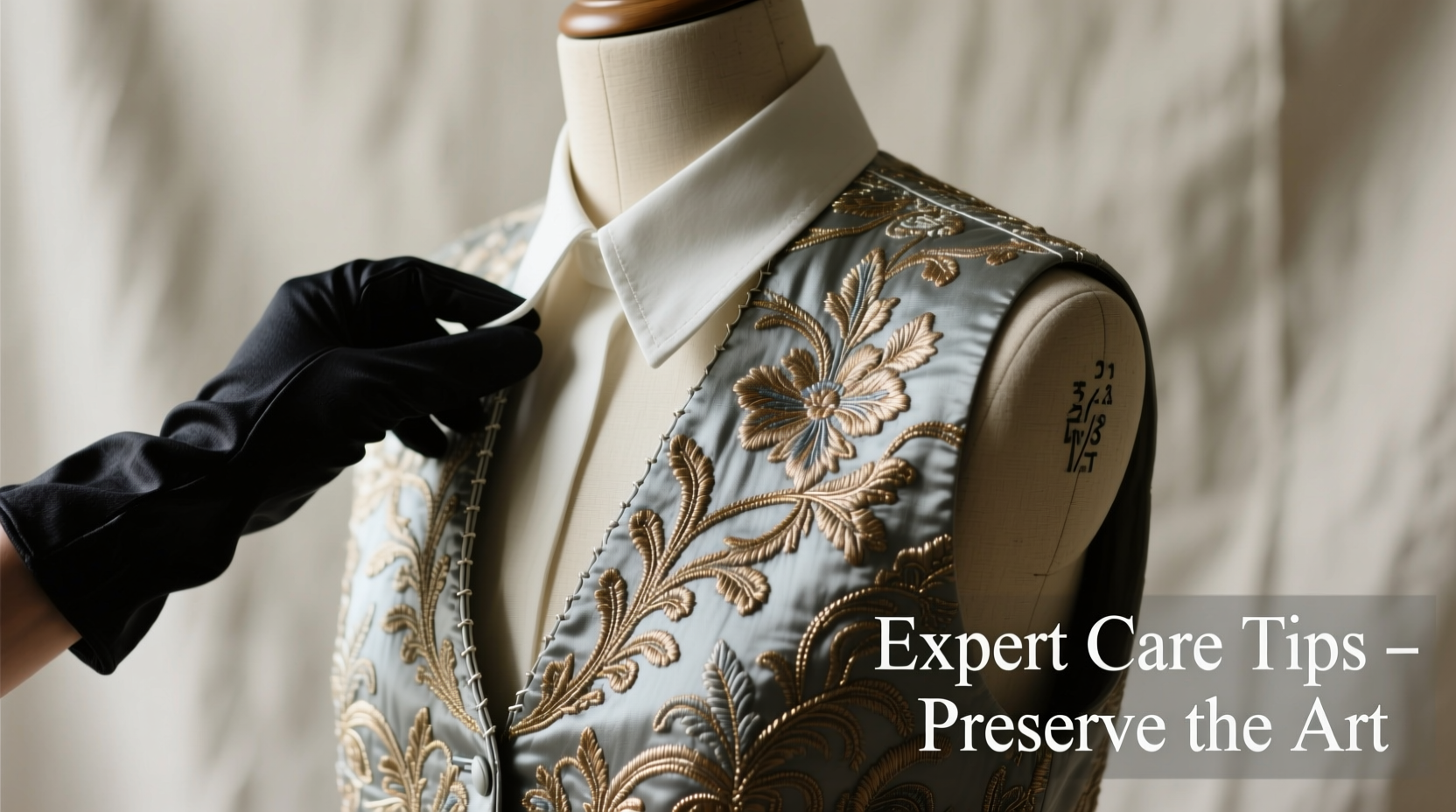
Before cleaning or storing a niche design vest, identify its core components. These garments frequently combine multiple fabrics, structural elements, and decorative features. Common materials include:
- Silk, chiffon, or lace – Prone to snags and water spotting
- Hand-applied beads, sequins, or embroidery – Vulnerable to pressure and friction
- Fringe, tassels, or layered overlays – Easily tangled or pulled
- Non-stretch or structured linings – Sensitive to heat and improper folding
Many niche designers use unconventional closures—magnetic clasps, hidden hooks, or fabric ties—that require specific handling. Always check interior labels or consult the designer’s care guide. When unavailable, treat the piece as high-sensitivity apparel until confirmed otherwise.
Step-by-Step Guide: Safe Cleaning Process
Cleaning a delicate vest isn’t about frequency—it’s about precision. Most niche vests should only be cleaned when visibly soiled or after prolonged wear. Follow this timeline to minimize risk:
- Inspect: Lay the vest flat on a clean white towel. Check for loose threads, weakened seams, or detached embellishments. Repair minor issues before washing.
- Spot Test: Dampen an inconspicuous area (e.g., inner seam) with distilled water and mild detergent. Blot after one minute. If color bleeds or fabric warps, do not proceed.
- Dry Clean Only? If the label indicates dry cleaning, use a specialist familiar with couture or artisanal garments. Avoid standard chain cleaners—they may use aggressive solvents.
- Hand Wash (if permitted): Use lukewarm water (under 30°C) and pH-neutral detergent. Submerge gently for no more than 3 minutes. Never wring, twist, or scrub.
- Rinse & Dry: Rinse twice in clean water. Press out moisture using a towel roll technique—lay the vest on a dry towel, roll tightly, then unroll. Air-dry flat away from sunlight and drafts.
Never machine wash or tumble dry, even on delicate cycles. The agitation alone can dislodge beads or distort silhouettes.
Do’s and Don’ts: Handling and Storage
| Action | Do | Don't |
|---|---|---|
| Storing | Use padded hangers or fold with acid-free tissue between layers | Hang by narrow straps or store compressed in drawers |
| Wearing | Remove jewelry that could catch fabric; avoid perfume near embellished areas | Wear during high-movement activities like dancing or cycling |
| Transporting | Pack in breathable cotton garment bags | Carry loosely in plastic or crowded luggage |
| Repairs | Contact the designer or a specialty textile conservator | Attempt DIY fixes with glue or mismatched thread |
Real Example: Preserving a Hand-Embellished Silk Vest
A collector in Lisbon owned a limited-edition vest from a Berlin-based designer, featuring hand-sewn glass micro-beads arranged in a fractal pattern across a silk organza base. After wearing it at an outdoor event, she noticed faint watermarks from unexpected rain. Instead of washing it, she consulted a textile conservator who recommended a localized steam treatment using a museum-grade humidification chamber. The vest was placed over a curved form to maintain drape, and gentle vapor lifted the marks without disturbing the adhesive beneath the beads. This case underscores that even minor exposure can demand expert intervention—and that patience often saves irreplaceable details.
“With artisanal vests, every bead, stitch, and dye lot tells a story. Preservation isn’t just maintenance—it’s stewardship.” — Dr. Lena Moreau, Textile Conservation Specialist, Musée de la Mode, Lyon
Essential Care Checklist
To ensure consistent protection, follow this monthly checklist:
- ☐ Inspect for loose threads, stains, or weakened fasteners
- ☐ Rotate stored vests to prevent permanent creasing
- ☐ Vacuum storage area with a HEPA filter to reduce dust buildup
- ☐ Confirm humidity levels are between 45–55% in your wardrobe
- ☐ Verify that no direct sunlight falls on displayed pieces
- ☐ Schedule professional evaluation every 12–18 months for heavily embellished items
Frequently Asked Questions
Can I iron a delicate design vest?
Only if absolutely necessary and with extreme caution. Use the lowest heat setting, place a pressing cloth (like muslin) over the fabric, and never apply direct steam. For structured or embellished areas, opt for steaming from a 30 cm distance instead. Better yet, hang the vest in a steamy bathroom overnight to relax wrinkles safely.
How often should I clean a rarely worn collector’s vest?
Even unworn garments absorb atmospheric pollutants and degrade over time. Light surface cleaning—using a soft brush or microfiber cloth—should be done every 3–4 months. Full cleaning is only required if discoloration or odor develops. For archival pieces, consider climate-controlled display cases with UV-filtered enclosures.
What should I do if a bead or button falls off?
Place the detached element in a sealed bag and attach it to the garment’s inner lining with a safety pin. Do not reattach it yourself unless you have experience with fine needlework. Many designers keep spare components on file and can perform authentic repairs.
Conclusion: Honor the Craft Through Conscious Care
Delicate niche design vests exist at the intersection of art and function. Their survival depends not on durability, but on mindfulness. Every decision—from how you remove the garment after wear to where you store it for the season—impacts its longevity. By adopting a curator’s mindset, you elevate routine care into a practice of respect. These pieces were made to be seen, admired, and preserved. With the right habits, they can remain vibrant across decades, retaining both aesthetic power and emotional value.




 浙公网安备
33010002000092号
浙公网安备
33010002000092号 浙B2-20120091-4
Comments
No comments yet. Why don't you start the discussion?