
Dressing dogs isn’t just about style—it’s a functional choice for many pet owners. Whether protecting a short-haired breed from cold weather, managing post-surgery recovery, or shielding sensitive skin from allergens, dog clothing plays a vital role. But not all fabrics are created equal. The wrong material can cause irritation, overheating, or rapid wear. Choosing the right fabric means balancing durability, breathability, softness, and ease of care. With rising demand for high-performance pet apparel, understanding textile properties is no longer optional—it’s essential.
Why Fabric Choice Matters for Dog Clothing
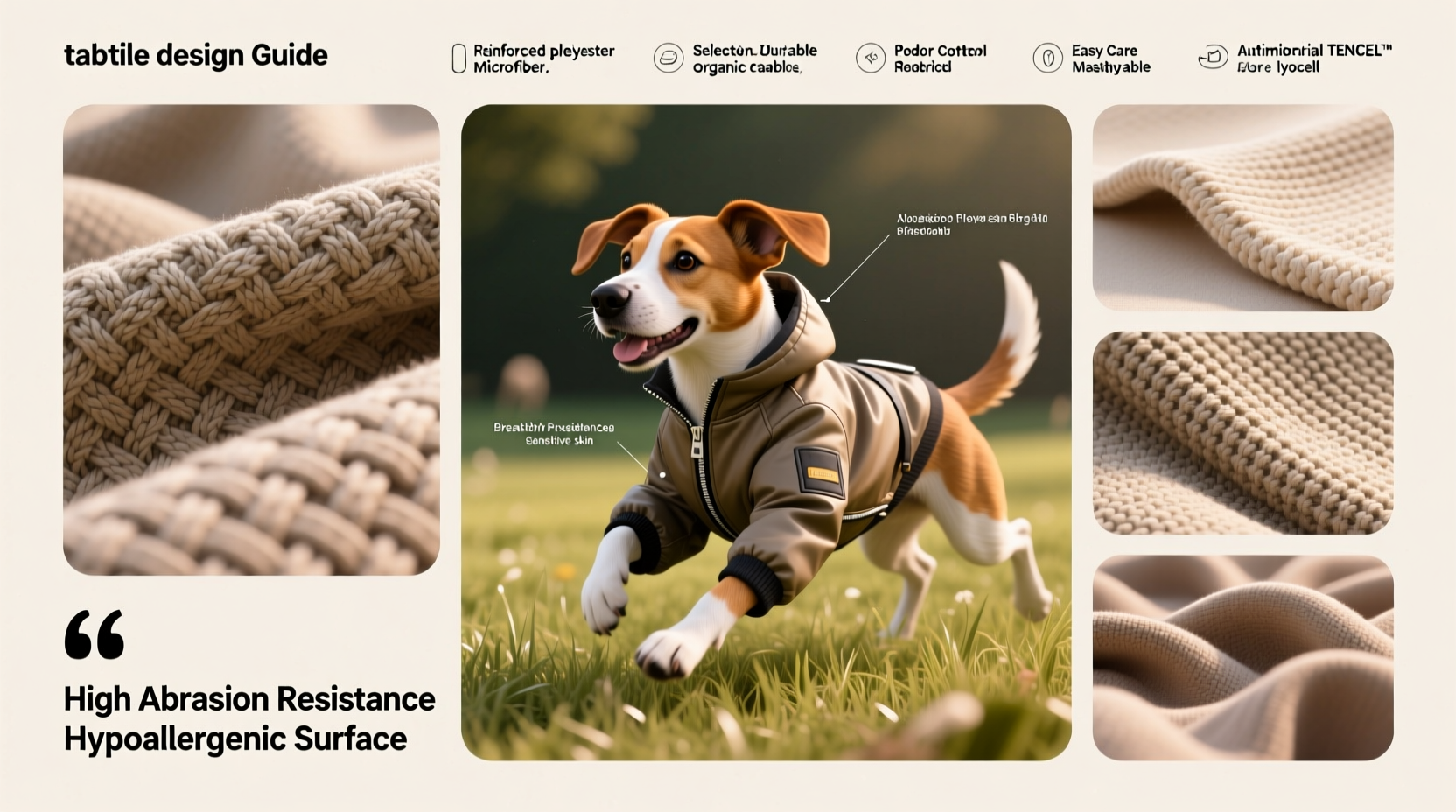
Dogs interact with clothing differently than humans. They can't adjust garments, communicate discomfort easily, or remove items when they’re too hot or itchy. Their skin is more sensitive, and their movement patterns place unique stress on seams and stretch points. A poorly chosen fabric may lead to chafing, restricted mobility, or even behavioral changes due to persistent discomfort.
Beyond comfort, durability is critical. Dogs are active, often outdoors, and prone to chewing, scratching, or dragging clothes through mud and moisture. Fabrics must withstand repeated washing, exposure to dirt, and constant friction without losing shape or integrity. The ideal pet-friendly fabric combines resilience with gentleness—a balance that requires careful evaluation.
Top Pet-Friendly Fabrics: Performance and Practicality
Not all textiles are suitable for canine wear. Below is a breakdown of the most reliable materials used in premium dog clothing, along with their pros, cons, and best use cases.
| Fabric | Durability | Comfort Level | Wash Resistance | Best For |
|---|---|---|---|---|
| Cotton (Jersey/Knit) | Moderate | High | Good (may shrink) | Indoor wear, base layers, sensitive skin |
| Polyester Blends | High | Moderate | Excellent | Raincoats, outerwear, high-wear zones |
| Nylon | Very High | Moderate (can trap heat) | Excellent | Outdoor gear, harness-compatible jackets |
| Merino Wool | Good | Very High (naturally thermoregulating) | Good (hand wash recommended) | Cold climates, winter sweaters |
| Spandex/Lycra Blends | Moderate | High (excellent stretch) | Good (avoid high heat) | Fitted garments, mobility wear |
| Tencel™/Lyocell | Good | Very High (silky, hypoallergenic) | Good | Allergy-prone dogs, lightweight summer wear |
“Dogs don’t tolerate synthetic irritation like humans do. If a fabric feels slightly rough to you, it will likely be unbearable for them after an hour.” — Dr. Lena Torres, Veterinary Dermatologist
Key Factors When Evaluating Dog Clothing Fabrics
Selecting the right fabric involves more than texture. Consider these five criteria before making a purchase:
- Breathability: Fabrics should allow airflow to prevent overheating, especially during activity. Look for mesh panels or natural fibers like cotton and Tencel™.
- Moisture-Wicking: Essential for active dogs. Polyester blends and merino wool move sweat away from the skin, reducing odor and chafing.
- Stretch and Flexibility: Dogs twist, jump, and stretch unpredictably. Four-way stretch fabrics with spandex maintain fit without restricting motion.
- Odor Resistance: Natural antimicrobial properties (like those in merino wool) help garments stay fresher between washes.
- Washability: Machine-washable fabrics save time and ensure hygiene. Avoid dry-clean-only materials unless absolutely necessary.
Avoid These Fabric Pitfalls
- 100% Acrylic: Prone to pilling and static; traps heat and can irritate skin.
- Low-Quality Polyester: Non-breathable variants feel plasticky and promote sweating.
- Untreated Denim: Rigid and abrasive; difficult to clean and uncomfortable over time.
- Heavy Velvets or Satins: Trap heat, attract lint, and degrade quickly with friction.
Real-World Example: A Working Border Collie’s Rain Jacket
Sarah, a sheepdog handler in Scotland, needed a waterproof jacket for her 3-year-old Border Collie, Finn. Previous nylon raincoats failed within months—seams split, hoods flopped into his eyes, and the lining irritated his undercoat. After consulting a canine gear specialist, she switched to a hybrid design: a ripstop nylon outer shell with a brushed polyester interior and TPU coating. The new jacket featured taped seams, a secure Velcro-and-buckle closure system, and side gussets for unrestricted running.
After six months of daily fieldwork, the jacket showed minimal wear. Finn remained dry during downpours and never scratched at the lining. “The difference wasn’t just in durability,” Sarah said. “He stopped shaking off the coat the second we got home—that told me he was actually comfortable.”
Step-by-Step Guide: How to Test Dog Clothing Fabrics at Home
You don’t need lab equipment to assess quality. Follow this practical testing method before committing to a garment:
- Touch Test: Rub the fabric against the inside of your wrist. If it feels coarse or scratchy, it’s unsuitable.
- Stretch Test: Gently pull the material in multiple directions. It should return to shape without sagging.
- Water Resistance Check: Drip a few drops of water on the surface. On treated fabrics, beads should form and roll off.
- Seam Inspection: Run fingers along inner seams. They should lie flat and lack loose threads.
- Smell Test: New synthetic garments sometimes carry a chemical odor—air them out first. Persistent plastic smells suggest poor off-gassing control.
- Wash Trial: Wash a sample (or the garment) using your standard cycle. Check for shrinking, color bleeding, or stiffness afterward.
Fabric Care Checklist for Longevity
- ✅ Wash after 3–5 wears or immediately after outdoor use
- ✅ Use mild, fragrance-free detergent
- ✅ Turn garments inside out before washing
- ✅ Air dry whenever possible—heat degrades elastic fibers
- ✅ Store in a cool, dry place away from direct sunlight
- ✅ Trim loose threads promptly to prevent unraveling
Frequently Asked Questions
Can I use human clothing on my dog?
Occasionally, but not reliably. Human clothes aren’t tailored to canine proportions—sleeves restrict leg movement, necklines rub shoulders, and seams often sit in high-friction zones. Purpose-built dog garments account for anatomy and behavior.
Are organic fabrics better for dogs?
Not automatically. Organic cotton is gentle, but lacks durability. Some “eco” fabrics use weak dyes or flimsy weaves. Prioritize function: a well-made recycled polyester may outperform a fragile organic alternative.
How do I know if a fabric is safe for puppies or senior dogs?
Puppies and older dogs have thinner skin and less temperature regulation. Opt for ultra-soft, breathable materials like cotton jersey or Tencel™. Avoid stiff closures or heavy zippers that could cause pressure sores.
Final Thoughts: Prioritize Function Without Sacrificing Comfort
The best dog clothing disappears into your pet’s routine—so comfortable they forget they’re wearing it, so durable it withstands muddy trails and enthusiastic play. By focusing on proven fabrics, thoughtful construction, and real-world performance, you invest in garments that protect, support, and last. Don’t be swayed by cute prints or low prices. Instead, read labels, test textures, and observe how your dog responds. When fabric choices align with canine needs, clothing becomes more than fashion—it becomes functional care.




 浙公网安备
33010002000092号
浙公网安备
33010002000092号 浙B2-20120091-4
Comments
No comments yet. Why don't you start the discussion?