
Cushion covers do more than enhance your décor—they protect your investment in comfort. In high-traffic areas like living rooms, family spaces, or outdoor patios, a flimsy cover can fray, fade, or tear within months. Choosing the right one isn’t just about color or pattern; it’s about material integrity, construction quality, and long-term resilience. With the right knowledge, you can select cushion covers that not only look great but endure daily wear, spills, pets, and sun exposure without frequent replacement.
Understand Material Durability: What Works Best?
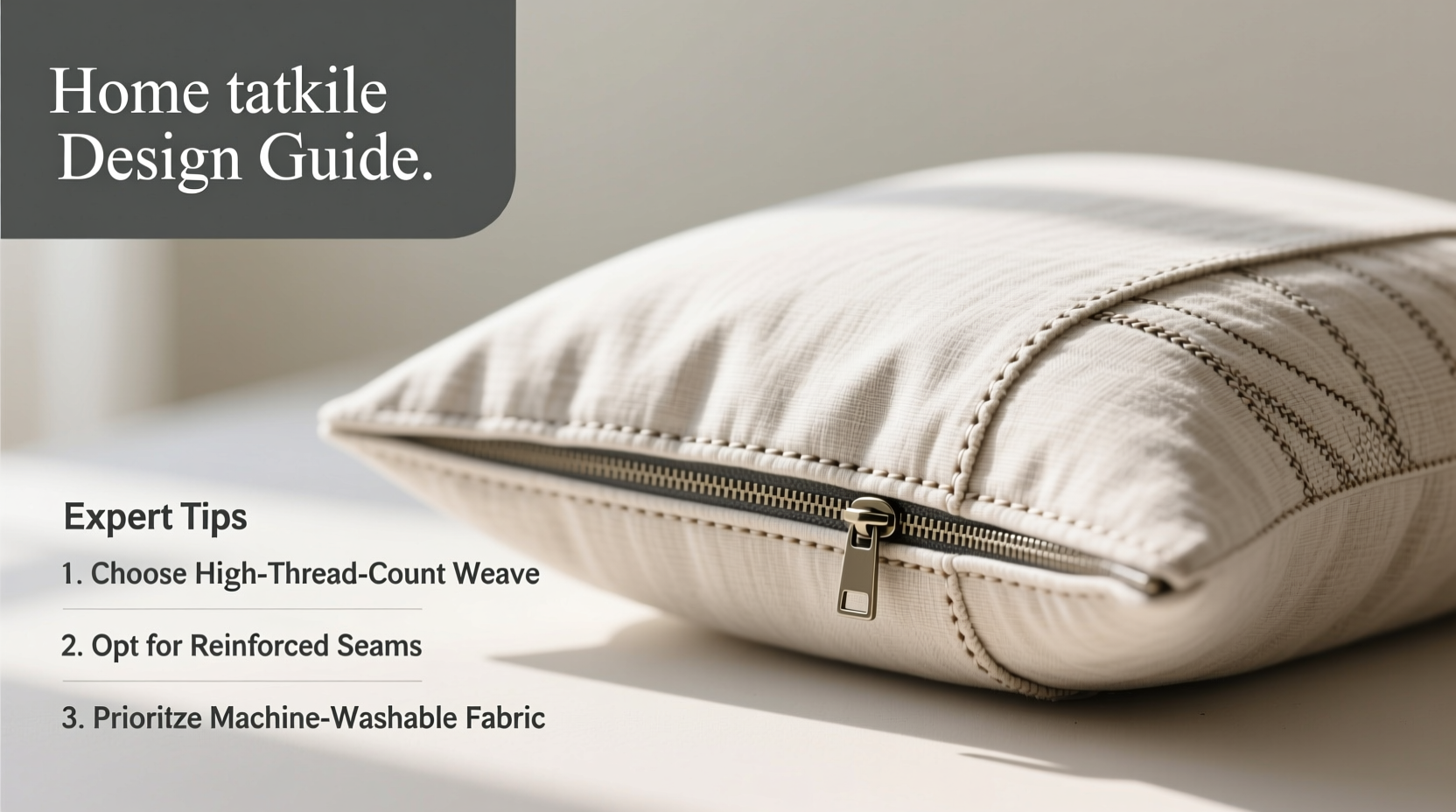
The foundation of a durable cushion cover lies in its fabric. Not all textiles are created equal when it comes to abrasion resistance, UV stability, and moisture management. Here are the top materials known for longevity:
- Sunbrella® Fabric: A leader in outdoor performance textiles, Sunbrella is solution-dyed acrylic, meaning color runs through each fiber. It resists fading, mildew, and water, making it ideal for both indoor and outdoor use.
- Olefin (Polypropylene): Highly resistant to stains and moisture, olefin maintains color well and dries quickly. It’s less breathable than some fabrics but excellent for humid climates.
- Duck Canvas: A tightly woven cotton or cotton-blend fabric, duck canvas offers strength and structure. When treated with stain-resistant finishes, it performs well indoors.
- Linen Blends: Pure linen wrinkles easily and weakens when wet, but blended with polyester or cotton, it gains durability while retaining breathability and texture.
- Polyester Performance Weaves: Modern microfiber weaves mimic natural fibers but offer superior resistance to pilling and abrasion. Look for “high-tenacity” polyester for maximum strength.
Weave and Weight: The Hidden Indicators of Strength
Beyond material type, how the fabric is constructed determines its resilience. Two key factors are thread count and weave tightness.
A higher thread count generally means better durability, but this depends on fiber thickness and tension. For example, 300-thread-count Sunbrella may outperform a 500-thread-count cotton blend due to fiber density and treatment.
Tight weaves like twill or sateen resist snagging better than loose weaves such as plain or basket weaves. Twill, recognizable by its diagonal rib pattern, is particularly abrasion-resistant—commonly used in upholstery and workwear.
| Weave Type | Durability Rating | Best Use Case |
|---|---|---|
| Twill | High | Living rooms, pet areas |
| Sateen | Moderate-High | Decorative seating, low traffic |
| Plain/Basket | Low-Moderate | Accent cushions, occasional use |
| Knit Jacquard | Moderate | Stylish indoor pieces |
Real-World Testing: A Case Study in Longevity
Jenna, a mother of two and dog owner in Austin, Texas, replaced her living room cushion covers every six months due to fading and fraying. After consulting an interior designer, she switched to Sunbrella twill covers with double-stitched seams and hidden zippers. Three years later, the same set remains in regular use. She attributes their condition to weekly spot cleaning and rotating the cushions monthly to ensure even sun exposure.
“I didn’t realize how much afternoon sun was damaging the fabric,” she said. “Now I close the blinds during peak hours, and the colors still look fresh.”
This example highlights that durability isn’t just about material—it’s also influenced by environment and maintenance habits.
Construction Quality: Stitching, Seams, and Closures
Even the strongest fabric fails if poorly assembled. Inspect the craftsmanship before purchasing:
- Double-Stitched Seams: These reinforce stress points and prevent unraveling. Single stitching may suffice for decorative pillows but not for daily-use seat cushions.
- Hidden or YKK Zippers: Exposed plastic zippers break easily. Metal zippers, especially those from reputable brands like YKK, glide smoothly and last longer.
- Reinforced Corners: Cushions often flex at corners. Look for bar tacks or extra stitching in these areas.
- Removable Liners: Covers with inner linings help maintain shape and reduce direct friction on the outer fabric.
“We’ve tested over 200 fabric samples in our lab. The ones that lasted longest combined solution-dyed fibers, tight twill weaves, and double-stitched hems.” — Dr. Lena Patel, Textile Engineer at HomeFabric Innovations
Step-by-Step Guide: How to Evaluate a Cushion Cover Before Buying
Follow this practical sequence when shopping to ensure you’re investing in lasting quality:
- Feel the Fabric: Rub it between your fingers. Does it feel substantial or thin? High-quality covers have weight and minimal stretch.
- Check the Label: Look for terms like “solution-dyed,” “UV-resistant,” “mildew-proof,” or “high-abrasion.” Avoid vague claims like “durable” without specifications.
- Inspect the Seams: Turn the cover inside out. Are the stitches even and tight? Are there clean finishes like serging or binding?
- Test the Zipper: Open and close it several times. Does it catch or slide smoothly? Is it metal or plastic?
- Ask About Warranty: Reputable brands offer warranties against fading or seam failure—typically 2 to 5 years.
- Review Care Instructions: Machine-washable covers are easier to maintain. Avoid dry-clean-only unless for formal settings.
Common Mistakes That Shorten Cushion Cover Life
Even the best covers fail prematurely when misused. Avoid these pitfalls:
- Leaving Outdoor Cushions Exposed Overnight: Rain, dew, and temperature swings degrade fibers faster. Store them or use protective furniture covers.
- Using Harsh Cleaners: Bleach or ammonia-based products weaken fibers and strip protective coatings. Stick to pH-neutral detergents.
- Overloading Cushions: Sitting on edges or jumping on furniture strains seams and stuffing, transferring stress to the cover.
- Ignoring Rotation: Uneven sun or wear causes one side to degrade faster. Rotate covers every few weeks to extend life.
Frequently Asked Questions
Can I machine wash durable cushion covers?
Yes, most high-performance covers made from polyester, olefin, or treated cotton can be machine washed in cold water on a gentle cycle. Always air dry to prevent shrinkage and heat damage.
How do I know if a cover is fade-resistant?
Look for fabrics labeled “solution-dyed” or “UV-stabilized.” These undergo rigorous testing (like ASTM G154) for lightfastness. Ask for a warranty that includes fade protection.
Are expensive cushion covers worth it?
In high-use areas, yes. A $70 cover that lasts five years costs less per year than replacing $30 covers annually. Factor in time, effort, and environmental impact when calculating value.
Essential Checklist for Durable Cushion Cover Selection
Before finalizing your purchase, verify these key features:
- ☑ Fabric is solution-dyed or UV-treated
- ☑ Weave is tight (twill or sateen preferred)
- ☑ Seams are double-stitched with reinforced corners
- ☑ Zipper is metal (YKK or equivalent)
- ☑ Care instructions allow for easy cleaning
- ☑ Manufacturer offers a minimum 2-year warranty
- ☑ Swatch has been reviewed in natural lighting
Final Thoughts: Invest Smart, Live Comfortably
Durable cushion covers are a quiet upgrade with loud benefits—longer-lasting furniture, reduced waste, and consistent aesthetic appeal. By focusing on material science, construction quality, and proper care, you shift from reactive replacements to proactive design choices. Whether outfitting a bustling family home or a sun-drenched patio, your selections today will define comfort and style for years to come.




 浙公网安备
33010002000092号
浙公网安备
33010002000092号 浙B2-20120091-4
Comments
No comments yet. Why don't you start the discussion?