
Throw pillows are more than just decorative accents—they’re functional elements that add comfort, color, and character to a room. But when constantly used or exposed to sunlight, spills, and pets, many fabrics quickly fade, pill, or wear out. Choosing the right fabric isn’t just about aesthetics; it’s about long-term resilience. With so many materials on the market, knowing which ones endure daily use while maintaining their appeal is essential for creating a lasting interior design.
Why Fabric Durability Matters in Throw Pillows
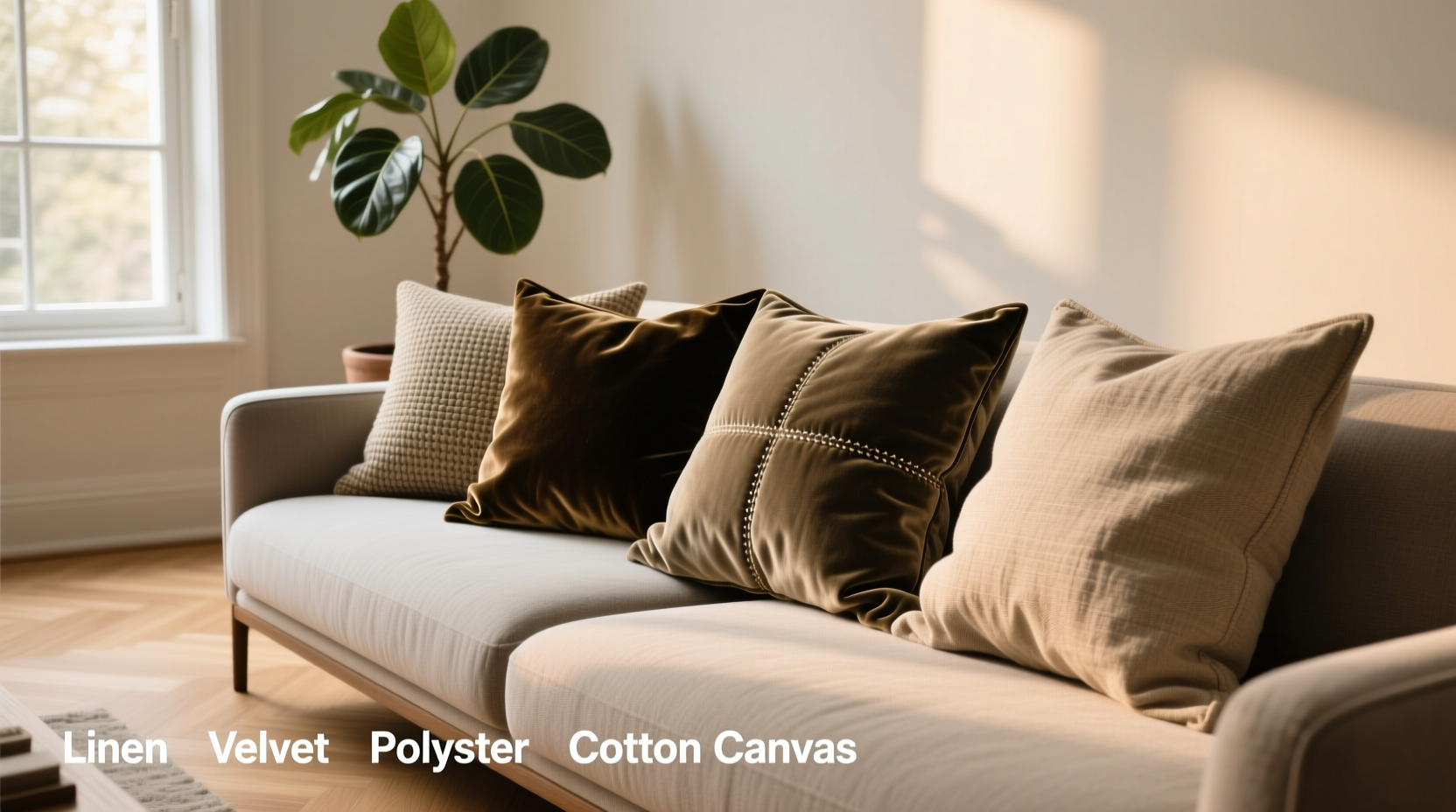
Durable fabrics extend the life of your throw pillows, reducing the need for frequent replacements and preserving both budget and style consistency. High-traffic areas like living rooms, family rooms, or homes with children and pets demand textiles that resist abrasion, fading, and staining. A well-chosen fabric maintains its texture, color, and shape over years, not months.
Fabric durability also impacts sustainability. The longer a textile lasts, the less waste it contributes to landfills. Selecting resilient materials aligns with eco-conscious living by minimizing consumption and supporting timeless design over fast trends.
Top Durable Fabric Choices for Long-Lasting Pillows
Not all fabrics are created equal. Some are inherently stronger due to fiber composition, weave structure, or finishing treatments. Here are the most reliable options for enduring throw pillows:
- Cotton Canvas – A tightly woven cotton fabric known for strength and breathability. It resists pilling and holds up well to repeated washing, especially when pre-shrunk.
- Linen Blends – Pure linen softens beautifully over time but can wrinkle easily. Blending it with cotton or synthetic fibers improves wrinkle resistance and tensile strength without sacrificing natural charm.
- Sunbrella® and Other Performance Fabrics – Originally developed for outdoor furniture, these solution-dyed acrylics resist UV rays, moisture, mildew, and stains. Ideal for sunlit rooms or homes with active lifestyles.
- Twill Weave Fabrics – Characterized by diagonal rib patterns, twill weaves (like denim or drill cloth) offer excellent abrasion resistance and are commonly used in workwear for good reason.
- Microfiber Polyester – Synthetic microfibers mimic silk or wool in feel but provide superior stain resistance and durability. Often used in performance upholstery due to low maintenance needs.
“Durability starts at the fiber level. Look beyond surface appeal—consider how the fabric behaves under real-world conditions.” — Lena Torres, Textile Consultant & Interior Material Specialist
Key Factors to Evaluate When Selecting Pillow Fabric
Choosing a long-lasting fabric involves more than picking a favorite color or texture. Several measurable and observable factors determine how well a textile will perform over time.
Abrasion Resistance (Double Rub Count)
This industry-standard test measures how many back-and-forth motions a fabric can withstand before showing signs of wear. For residential use, aim for at least 15,000 double rubs. Commercial-grade fabrics exceed 30,000 and are suitable for high-use environments.
Colorfastness to Light
UV exposure fades colors, especially in south-facing rooms. Solution-dyed fabrics (where pigment is added during fiber production) retain color far better than surface-dyed textiles. Check manufacturer ratings for lightfastness—ratings above 5 on the Blue Scale indicate excellent resistance.
Stain and Moisture Resistance
Spills happen. Fabrics treated with soil and stain repellents (e.g., Crypton, Nano-Tex) or inherently hydrophobic fibers (like polyester) are easier to maintain. Avoid untreated natural fibers like raw silk or untreated cotton in homes where accidents are likely.
Weave Density and Weight
Heavier fabrics (measured in ounces per square yard) generally last longer. A dense weave prevents fibers from loosening and reduces pilling. Run your fingers over the fabric—tight, smooth textures typically outperform loose weaves.
| Fabric Type | Avg. Double Rub Count | UV Resistance | Washable? |
|---|---|---|---|
| Cotton Canvas | 12,000–18,000 | Moderate | Yes (machine washable) |
| Linen Blend | 10,000–15,000 | Poor to Moderate | Spot clean recommended |
| Sunbrella® | 30,000+ | Excellent | Yes (mild soap & water) |
| Microfiber Polyester | 25,000+ | Good | Often removable covers |
| Silk Velvet | 6,000–9,000 | Poor | No (dry clean only) |
Step-by-Step Guide to Choosing the Right Fabric
Follow this process to ensure your throw pillow selections balance beauty and endurance:
- Assess the Room’s Usage Level – Is it a quiet reading nook or a busy family lounge? High-traffic areas require higher durability standards.
- Identify Potential Hazards – Sunlight, pets, kids, food, and drink usage influence fabric needs. South-facing windows call for UV-resistant textiles.
- Request Physical Swatches – Never rely solely on digital images. Feel the weight, stretch, and texture. Rub it between your fingers to test for pilling.
- Check Manufacturer Specifications – Look for published double rub counts, cleaning codes, and warranty information. Reputable brands provide full technical data.
- Test for Stain Resistance – At home, drip a small amount of water or coffee on a swatch. Observe whether the liquid beads up or absorbs immediately.
- Consider Removable Covers – Pillows with zip-off, washable covers dramatically extend lifespan and simplify maintenance.
Real-World Example: A Living Room That Lasted 7 Years Without Replacement
Jamie, a designer in Portland, furnished her open-concept living area with six large throw pillows using Sunbrella fabric in a charcoal herringbone pattern. The space receives direct afternoon sunlight and is frequently used by two toddlers and a golden retriever. After seven years, the pillows show minimal fading and no structural damage. Jamie attributes their longevity to the fabric’s inherent UV protection and her habit of spot-cleaning spills immediately with mild detergent. “I didn’t expect them to last this long,” she says. “But I chose durability over trendiness—and it paid off.”
Essential Care Practices to Maximize Fabric Life
Even the toughest fabrics degrade without proper care. Extend their lifespan with these habits:
- Vacuum or brush pillows regularly to remove dust and pet hair.
- Use fabric protectors (like 303 Fabric Guard) on performance textiles to enhance stain resistance.
- Avoid ironing delicate weaves; steam gently instead if needed.
- Store off-season pillows in breathable cotton bags, away from moisture and pests.
- Fluff and rotate cushions weekly to prevent uneven compression.
Checklist: Choosing & Maintaining Durable Throw Pillow Fabrics
- ☐ Determine the room’s traffic level and environmental challenges
- ☐ Prioritize fabrics with 15,000+ double rub count for heavy-use areas
- ☐ Choose solution-dyed or UV-stabilized fabrics for sunny rooms
- ☐ Opt for removable, washable pillow covers when possible
- ☐ Order physical fabric swatches before purchasing
- ☐ Perform a simple stain test on swatches (water, coffee, oil)
- ☐ Vacuum and rotate pillows monthly
- ☐ Spot-clean spills immediately with pH-neutral cleaner
Frequently Asked Questions
Can I use outdoor fabric indoors for throw pillows?
Absolutely. Outdoor fabrics like Sunbrella are increasingly popular for indoor use due to their durability, fade resistance, and ease of cleaning. They come in stylish patterns and textures suitable for modern interiors.
Is 100% linen too fragile for everyday throw pillows?
Pure linen is strong but prone to wrinkling and moderate abrasion wear. It performs best in low-traffic spaces or as accent pieces rotated seasonally. For daily use, consider a linen-cotton blend for improved resilience.
How do I know if a fabric is truly durable?
Ask for technical specifications including double rub count, lightfastness rating, and cleaning code. Reputable retailers and manufacturers provide this data. If unavailable, assume the fabric isn’t built for longevity.
Final Thoughts: Invest in Quality, Reap Long-Term Rewards
Selecting durable throw pillow fabrics is an investment in both comfort and design continuity. By prioritizing material strength, environmental resistance, and practical maintenance, you create a space that looks intentional and cared for—year after year. Don’t be swayed by fleeting trends or bargain prices. Instead, choose wisely, care consistently, and enjoy the lasting beauty of well-made textiles.




 浙公网安备
33010002000092号
浙公网安备
33010002000092号 浙B2-20120091-4
Comments
No comments yet. Why don't you start the discussion?