
Selecting a designer tote bag isn’t just about following trends or brand prestige. For professionals who carry their essentials daily, the right tote must serve as a reliable companion—supporting your work style, enduring daily wear, and reflecting your personal aesthetic. A well-chosen bag can elevate your presence in the office, streamline your routine, and last for years with proper care. But with countless styles, materials, and price points available, how do you make the best decision? The answer lies in balancing form, function, and long-term resilience.
Understand Your Workday Needs
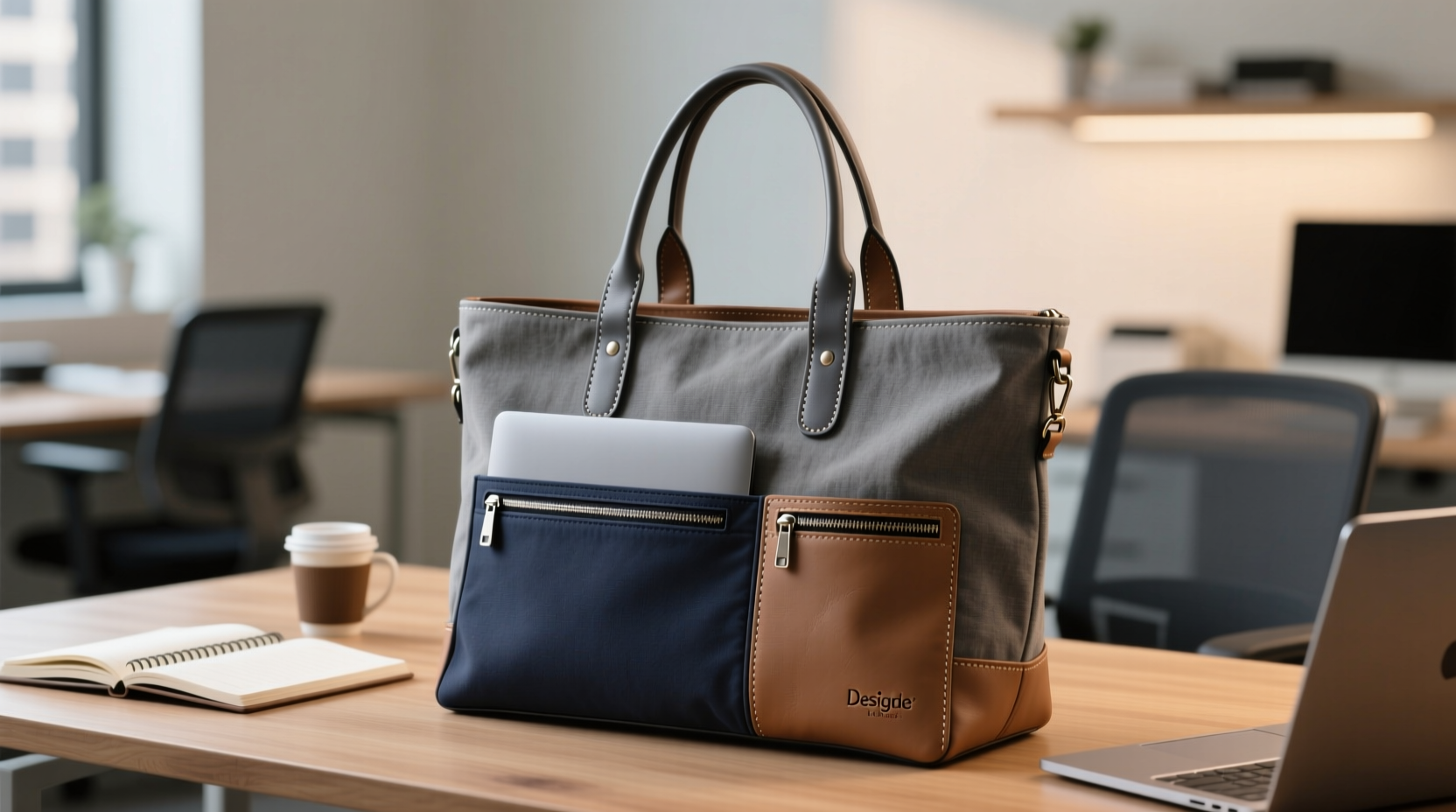
Before considering brand names or aesthetics, assess how you use a bag on a typical workday. Are you commuting via public transit, walking between meetings, or frequently traveling for business? The demands of your routine directly influence which features matter most.
For example, someone working remotely may only need space for a tablet and notebook, while a corporate attorney might require room for legal documents, a laptop, and multiple pens. Overloading an undersized tote leads to strain and premature wear. Conversely, a massive bag can feel cumbersome if your needs are minimal.
Key Functional Requirements by Profession
| Profession | Common Carry Items | Recommended Tote Features |
|---|---|---|
| Freelancer / Remote Worker | Laptop, charger, notebook, coffee tumbler | Lightweight, padded laptop sleeve, one main compartment |
| Corporate Executive | Laptop, files, tablet, portfolio, umbrella | Durable leather, structured shape, interior organization, shoulder strap option |
| Creative Professional | Sketchbook, tablet, pens, camera | Soft-lined interior, accessible side pockets, artistic design |
| Healthcare Provider | Stethoscope, notepad, sanitizer, lab coat | Easy-to-clean material, wipeable interior, compact but functional |
Evaluate Materials for Longevity and Care
The material of your tote determines not only its appearance but also its lifespan. Designer bags often come in full-grain leather, canvas, nylon, suede, or exotic skins—each with distinct advantages and maintenance requirements.
Full-grain leather is widely regarded as the gold standard for professional totes. It develops a rich patina over time, resists scratches better than other leathers, and ages gracefully. However, it requires periodic conditioning to prevent drying and cracking. Canvas and coated fabrics (like those used by brands such as Goyard or Louis Vuitton) offer weather resistance and lighter weight, making them ideal for urban commutes, though they may show dirt more readily.
“Leather isn’t just durable—it molds to your lifestyle. A well-cared-for hide tote can outlast five fast-fashion alternatives.” — Marcus Reed, Luxury Accessory Curator at Atelier Collective
Suede and nubuck add texture and elegance but are less practical for rainy climates or high-touch environments. Exotic skins like crocodile or ostrich are statement pieces but demand specialized cleaning and are often restricted by import laws.
Material Comparison: Durability vs. Maintenance
| Material | Durability | Maintenance Level | Best For |
|---|---|---|---|
| Full-Grain Leather | ★★★★★ | Medium | Daily professionals, long-term investment |
| Canvas (Coated) | ★★★★☆ | Low | Commuting, travel, casual offices |
| Suede/Nubuck | ★★★☆☆ | High | Fashion-forward roles, dry climates |
| Nylon/Technical Fabric | ★★★★☆ | Low | Active professionals, wet environments |
| Exotic Skin | ★★★★★ | Very High | Executive presence, special occasions |
Design Elements That Enhance Functionality
A beautiful bag that doesn’t suit your workflow will end up unused. Focus on structural details that improve usability:
- Interior organization: Look for zippered pockets, slip compartments, and dedicated sleeves for laptops or tablets. These prevent clutter and protect electronics.
- Weight distribution: Wide, padded handles or optional crossbody straps reduce shoulder strain during long days.
- Opening mechanism: Top-zip totes secure contents better than open-top silhouettes, especially on crowded trains or busy sidewalks.
- Base structure: A flat, reinforced bottom allows the bag to stand upright and protects contents when set down.
Consider hardware quality too. Zippers should glide smoothly and be branded (e.g., YKK or Riri). Metal accents should feel substantial, not hollow or flimsy. Poor hardware is often the first point of failure in otherwise premium bags.
Align Style with Professional Identity
Your tote is an extension of your personal brand. In conservative industries like law or finance, neutral tones—black, navy, tan, or charcoal—are safest and easiest to maintain. These colors pair effortlessly with suits and project seriousness.
In creative fields—design, media, fashion—there’s more room for expression. Bold colors, textured finishes, or limited-edition prints can reflect individuality without sacrificing professionalism. However, avoid overly flashy logos unless they align with your workplace culture.
Timeless silhouettes outperform trendy shapes. A rectangular tote with clean lines remains relevant across seasons, whereas exaggerated proportions or novelty hardware may quickly appear dated.
“A classic tote is like a tailored blazer—it never goes out of style and always signals preparedness.” — Clara Nguyen, Wardrobe Strategist for Corporate Professionals
Step-by-Step Guide to Selecting Your Ideal Tote
Follow this sequence to ensure you make a thoughtful, lasting choice:
- Inventory your daily essentials – Measure or trace your laptop, documents, and common items to estimate needed dimensions.
- Define your budget – Allocate funds based on expected usage. A $1,500 bag used five days a week is a better value than a $300 bag replaced annually.
- Research brands known for craftsmanship – Consider Cuyana, Polène, Loewe, Bottega Veneta, or Mansur Gavriel for balanced design and durability.
- Try before you buy – Visit a boutique to test handle drop, weight, and ease of access. Sit with the bag on your lap to simulate train or desk use.
- Inspect construction details – Check stitching uniformity, lining quality, and hardware finish. Asymmetrical seams or loose threads indicate poor QC.
- Plan for care – Purchase a leather conditioner or fabric protector suited to your bag’s material immediately after purchase.
Mini Case Study: Choosing the Right Bag for a Consulting Role
Sophia, a management consultant based in Chicago, previously used a lightweight canvas tote from a luxury brand. While stylish, it lacked structure and showed scuff marks within weeks. Her frequent airport travel and back-to-back client meetings required a more resilient solution.
After evaluating her needs—laptop, two notebooks, presentation folders, and a change of shoes—she switched to a full-grain leather tote with a detachable shoulder strap and internal organization. Though heavier initially, the bag maintained its shape, protected her devices, and developed a polished look over six months of daily use. She now considers it a core part of her professional toolkit.
Frequently Asked Questions
How do I know if a designer tote is worth the investment?
A worthwhile tote combines high-quality materials, precise construction, and functional design. If it replaces multiple lower-cost bags over five years, it pays for itself. Also consider emotional value—do you enjoy using it every day?
Can I use a designer tote for both work and weekend outings?
Yes, if the size and style are versatile. A medium-sized tote in taupe or dark green transitions easily from office to errands. Avoid overly formal finishes like patent leather for dual use.
What size laptop fits in a standard designer tote?
Most designer totes accommodate up to a 15-inch laptop. Always check product specifications or bring your device when shopping. Padding in the sleeve adds protection but takes up extra space.
Final Checklist Before Purchase
- ✅ Holds all essential work items comfortably
- ✅ Made from durable, appropriate material for climate and use
- ✅ Features secure closures and organized interiors
- ✅ Comfortable to carry for extended periods
- ✅ Matches professional environment and personal style
- ✅ Comes from a reputable brand with strong craftsmanship reputation
- ✅ Includes care instructions and warranty (if applicable)
Conclusion
Choosing the ideal designer tote bag is a blend of practical assessment and personal alignment. It’s not enough for a bag to look good—it must support your daily rhythm, withstand the rigors of your commute, and evolve with your career. By prioritizing durability, thoughtful design, and long-term value, you invest in more than an accessory; you equip yourself with a tool that enhances confidence and efficiency.




 浙公网安备
33010002000092号
浙公网安备
33010002000092号 浙B2-20120091-4
Comments
No comments yet. Why don't you start the discussion?