
Selecting a designer bag isn’t just about following trends or brand prestige. When you’re investing in a piece meant to be used daily, the decision must balance aesthetics, functionality, and longevity. A well-chosen bag becomes more than an accessory—it’s a reliable companion that enhances your routine, supports your lifestyle, and reflects your personal taste. With so many options on the market, from structured totes to compact crossbodies, making the right choice requires thoughtful consideration. These expert-backed strategies will guide you through selecting a designer bag that stands up to daily wear while maintaining its elegance and value.
Assess Your Daily Lifestyle Needs
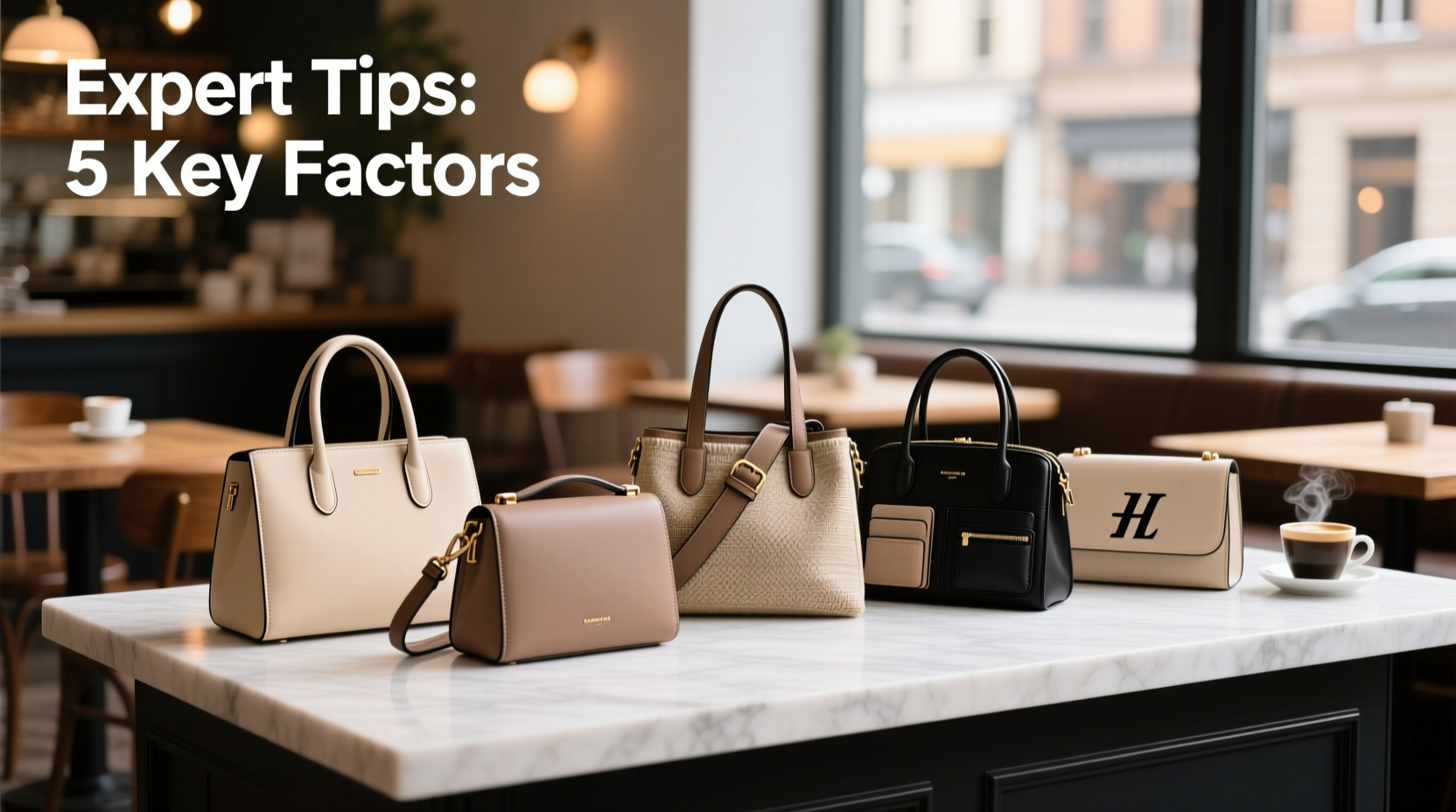
The foundation of choosing the right everyday bag starts with honesty about how you live. A sleek clutch may look stunning on Instagram, but it won’t carry your laptop, water bottle, and lunchbox during a full workday. Conversely, an oversized tote might feel cumbersome if you only commute by foot and prefer traveling light.
Begin by tracking what you carry for a week. Note essentials like phone, wallet, keys, tablet, makeup, reusable cutlery, or gym clothes. This inventory helps determine the ideal size and compartment layout. For example:
- Urban professionals: Need space for tech, documents, and a light jacket—opt for medium to large totes or satchels with padded laptop sleeves.
- Parents or caregivers: Require easy access, durability, and room for baby items—look for convertible bags with wipeable interiors.
- Minimalists: May prioritize slim silhouettes—consider crossbody styles or shoulder bags with secure closures.
Evaluate Materials for Durability and Maintenance
Designer bags come in various materials—each with distinct pros and cons. While exotic leathers and delicate fabrics attract attention, they may not withstand daily exposure to rain, friction, or UV light.
Leather remains the top choice for everyday use due to its resilience and ability to age gracefully. Full-grain and pebbled leather resist scratches and scuffs better than smooth calfskin. Canvas or nylon blends offer lightweight durability and weather resistance, ideal for city commutes or travel.
Consider maintenance requirements. Suede and nubuck, though luxurious, demand frequent brushing and protective sprays. Patent leather shows fingerprints easily. If low upkeep is a priority, go for treated calf leather or coated canvas.
| Material | Durability | Maintenance Level | Best For |
|---|---|---|---|
| Pebbled Leather | High | Low | Daily commuting, professional settings |
| Smooth Calfskin | Medium | High | Evening events, occasional use |
| Canvas/Nylon | High | Low | Travel, casual outings |
| Suede | Low | High | Seasonal wear, dry climates |
“Daily-use bags should be as functional as they are beautiful. Prioritize material integrity—scratches can be buffed, but structural failure cannot be fixed.” — Lena Moretti, Luxury Accessory Curator at Atelier Collective
Design Features That Make a Difference
It’s easy to fall for a bag based on logo appeal or celebrity endorsement, but smart design elements significantly impact usability. Look beyond surface glamour to evaluate practical details:
- Secure closures: Zippers or magnetic snaps prevent accidental spills and theft in crowded spaces.
- Adjustable straps: Allow customization for comfort across different outfits and activities.
- Interior organization: Pockets for phone, keys, and cards reduce time spent searching.
- Weight distribution: Heavier bags should have wide, padded straps or dual handles to avoid shoulder strain.
- Feet or base reinforcement: Protects the bottom from moisture and abrasion when placed on the ground.
Also consider ease of cleaning. Bags with removable, washable inserts or smooth linings are easier to maintain over time. Avoid overly embellished exteriors—they snag easily and complicate cleaning.
Mini Case Study: The Commuter Who Switched Brands
Sophie, a graphic designer in Chicago, owned a popular luxury mini bag praised for its aesthetic. Within six months of daily subway use, the hardware tarnished, the strap detached, and the lining frayed from constant contact with her backpack. After consulting a stylist, she invested in a structured pebbled-leather tote with recessed corners and a zip-top closure. Though less trendy, it survived two years of heavy use with minimal wear. “I stopped chasing logos,” she said. “Now I choose bags that respect my reality.”
Smart Investment: Balancing Cost and Longevity
A designer bag is a financial commitment. To maximize return, assess cost-per-wear: divide the price by the number of times you expect to use it. A $2,500 bag used five days a week for three years averages less than $3 per use—less than a daily coffee.
Focus on timeless silhouettes over seasonal designs. Classic shapes like the Kelly, 2.55, or Hobo transcend trends and retain resale value. Neutral colors—black, tan, navy, or grey—pair with more outfits and show less wear than white or bright red.
Checklist: Before You Buy
- ✅ Have I measured what I carry daily?
- ✅ Does the bag fit my laptop or tablet (if needed)?
- ✅ Is the material suitable for my climate and routine?
- ✅ Are the straps comfortable when fully loaded?
- ✅ Does it have secure closures and interior pockets?
- ✅ Can I see myself using this in two years?
- ✅ What is its estimated resale value?
Frequently Asked Questions
Can I use a designer bag every day without damaging it?
Yes, provided you choose one designed for durability. Rotate between two bags to extend their lifespan, clean them regularly, and store them properly when not in use. Daily use doesn’t ruin a bag—neglect does.
Is it worth buying a vintage designer bag for everyday use?
Vintage pieces can be excellent choices if authenticated and in good condition. However, older hardware and weaker stitching may not endure heavy use. Reserve vintage finds for lighter routines unless professionally restored.
How do I know if a bag is ergonomically sound?
Test the weight when filled with your typical items. Straps should rest comfortably on your shoulder without digging in. The opening should face your body when worn crossbody, and the base should remain off the ground when carried.
Final Thoughts: Choose Wisdom Over Whimsy
The perfect everyday designer bag isn’t the one that turns heads at a party—it’s the one that fits seamlessly into your life, protects your belongings, and still looks refined after years of service. Style matters, but so does substance. By prioritizing structure, material quality, and ergonomic design, you invest not just in fashion, but in long-term confidence and convenience.




 浙公网安备
33010002000092号
浙公网安备
33010002000092号 浙B2-20120091-4
Comments
No comments yet. Why don't you start the discussion?