
Finding the ideal pair of flat sandals often feels like a compromise: either they look stunning but hurt after ten minutes, or they’re comfortable but lack personality. The truth is, the right fit bridges both worlds. A well-fitting sandal supports your feet, aligns your posture, and enhances your overall aesthetic without sacrificing an ounce of style. Yet, too many people choose sandals based on appearance alone, ignoring critical sizing nuances that impact long-term wearability. Understanding how to select the perfect size—not just by number, but by shape, arch support, and foot behavior throughout the day—can transform your footwear experience.
Understand Your True Foot Dimensions
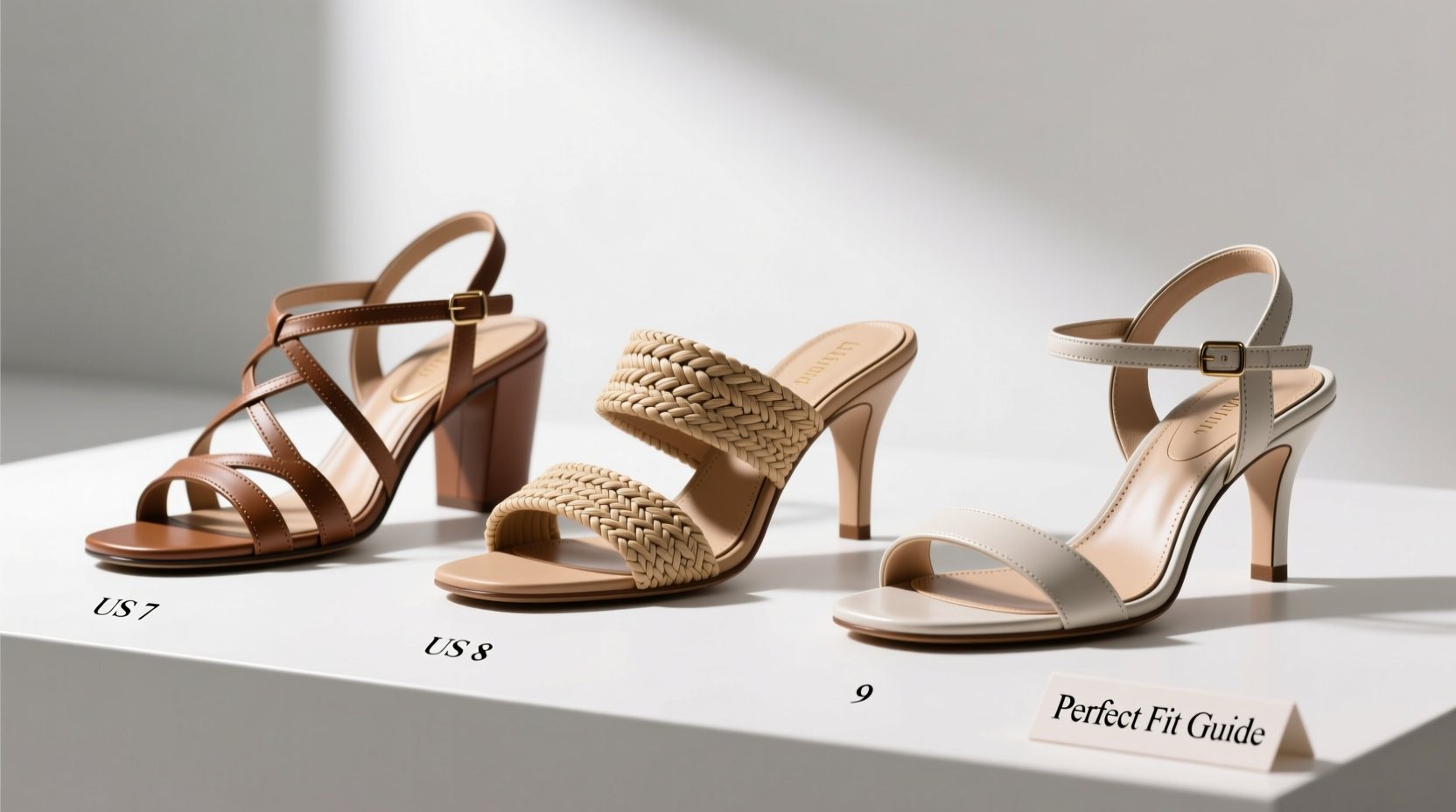
Most people assume their shoe size is fixed, but sizes vary across brands and regions. What’s a size 8 in one brand may be a snug 7.5 in another. More importantly, length isn’t the only factor. Width, instep height, toe box volume, and arch placement all influence how a sandal fits. Measuring your feet properly is the first step toward finding a sandal that truly fits.
Measure both feet at the end of the day when they’re slightly swollen—this reflects real-world conditions. Use a ruler or printable foot measuring guide to record:
- Length from heel to longest toe
- Width at the ball of the foot
- Arch length (heel to ball)
Once you know your exact dimensions, compare them with brand-specific sizing charts. Some companies, like Birkenstock or Teva, offer multiple width options and anatomical footbeds designed for different arch types. Prioritize brands that provide detailed fit guidance over those relying solely on standard EU/US conversions.
The Anatomy of a Well-Fitted Sandal
A properly sized flat sandal should feel secure without pinching, allow slight heel lift (no more than 3–5mm), and leave room for toes to move naturally. Here’s what to assess when trying on sandals:
| Fit Area | Ideal Fit | Poor Fit Signs |
|---|---|---|
| Heel | Sits snugly with minimal slippage | Constant slipping, causing blisters |
| Ball of Foot | Aligned directly over the sandal’s widest point | Overhang or cramping |
| Toes | ½ cm clearance at the front | Touching or curling to avoid pressure |
| Arch | Even contact with built-in support | Gaps or excessive pressure |
| Straps | Secure but not constricting | Cutting into skin or loosening mid-walk |
“Many foot problems stem not from poor shoe quality, but incorrect sizing. A sandal should follow the natural contours of your foot, not force it into an unnatural position.” — Dr. Lena Torres, Podiatrist & Footwear Consultant
Choose Materials That Adapt, Not Resist
The material of the sandal significantly affects how size translates into comfort. Rigid materials like molded plastic or stiff leather may require precise sizing and break-in time, while soft EVA foam, cork, or adjustable woven straps offer more forgiveness and adaptability.
Consider these material behaviors:
- Cork footbeds: Mold to your foot over time—initial snugness is normal.
- Leather uppers: Stretch slightly with wear; opt for a close but not tight fit.
- Synthetic straps: Less flexible; ensure immediate comfort as they won’t stretch.
- EVA soles: Lightweight and cushioned, but can compress unevenly if undersized.
Real-World Fit Test: A Mini Case Study
Sophie, a travel blogger based in Lisbon, frequently walked 8–10 kilometers daily across cobblestone streets. She loved minimalist slide sandals for their aesthetic but consistently experienced heel bruising and forefoot fatigue. After consulting a podiatry clinic, she discovered her sandals were half a size too large, causing her foot to slide forward and overwork her toes. She also had medium-high arches poorly supported by flat insoles.
She switched to a contoured sandal with adjustable ankle straps, true-to-size fit, and built-in arch contour. Within days, her walking endurance improved, and discomfort vanished. The key wasn’t switching brands—it was recalibrating her understanding of fit. She now measures her feet every six months and prioritizes adjustability in warm-weather footwear.
Step-by-Step Guide to Finding Your Perfect Sandal Size
Follow this sequence to ensure optimal fit and lasting comfort:
- Measure both feet barefoot in the evening using a wall and ruler.
- Determine your dominant foot (usually longer) and size accordingly.
- Check brand-specific size charts—don’t assume standardization.
- Look for adjustable features like buckles, elastic straps, or Velcro.
- Try sandals late in the day when feet are largest.
- Walk on varied surfaces (carpet, tile, incline) during try-on.
- Wear intended socks or go barefoot depending on planned use.
- Wait 20 minutes before judging fit—some pressure points emerge over time.
- Assess arch alignment—your foot shouldn’t roll inward or outward unnaturally.
- Order multiple sizes online if possible, return what doesn’t work.
Common Sizing Mistakes to Avoid
Even fashion-savvy shoppers fall into these traps:
- Choosing based on aesthetics alone: A beautiful sandal that doesn’t fit will rarely be worn.
- Ignoring width differences: Narrow feet need straps to prevent sliding; wide feet require roomy toe boxes.
- Buying “tight now, will stretch”: Overestimating stretch potential leads to chronic discomfort.
- Skipping insoles: Add removable orthotics if your sandals lack arch support.
Style Without Sacrifice: Balancing Fashion and Function
You don’t need to abandon trends for comfort. Modern design has bridged the gap between elegance and ergonomics. Look for styles that incorporate hidden support—wedges with memory foam, mules with padded collars, or gladiator sandals with anatomical footbeds.
Key style considerations by occasion:
- Casual outings: Sport sandals with quick-dry webbing and grippy soles.
- Work or business casual: Closed-toe flats with leather lining and heel counters.
- Evening wear: Minimalist slides with metallic finishes and cushioned platforms.
FAQ
Can I wear the same sandal size year-round?
Your foot size fluctuates slightly with temperature and activity. Feet tend to swell in heat and humidity, so you may prefer sandals with adjustable straps in summer. Consider going up half a size during warmer months if you notice constriction.
Why do my heels slip even though the sandal fits in length?
Heel slippage often results from mismatched foot shape or lack of rear support. Opt for sandals with ankle straps, back bands, or contoured heel cups. Also, check if the arch is too low—when unsupported, the foot shifts forward, pushing the heel out.
Are expensive sandals always better fitting?
Not necessarily. While premium brands often invest in ergonomic research, some affordable lines use the same lasts (molds) and materials. Focus on construction, adjustability, and reviews mentioning long-term comfort rather than price alone.
Final Checklist Before Buying
Use this checklist to evaluate any flat sandal before purchase:
- ✅ Both feet measured recently (not guessed)
- ✅ Length allows ½ cm toe space
- ✅ Width accommodates without squeezing
- ✅ Arch aligns with footbed contour
- ✅ Straps are adjustable and secure
- ✅ Heel stays in place during movement
- ✅ Material suits climate and activity
- ✅ Can be worn with intended sock or barefoot
- ✅ Offers cushioning or support for expected wear time
- ✅ Return policy allows testing at home
Conclusion
Selecting the perfect size flat sandal isn’t about chasing trends or settling for “close enough.” It’s about honoring the foundation of your movement—your feet. With accurate measurements, informed material choices, and attention to structural fit, you can enjoy all-day comfort without compromising your personal style. Whether you're strolling through city streets or relaxing seaside, the right sandals should feel like a natural extension of your body. Take the time to fit wisely, and you’ll walk farther, stand taller, and look effortlessly polished—all summer long.




 浙公网安备
33010002000092号
浙公网安备
33010002000092号 浙B2-20120091-4
Comments
No comments yet. Why don't you start the discussion?