
Sofa throw pillows are more than just decorative accents—they’re functional elements that enhance comfort and style in your living space. But over time, exposure to dust, spills, body oils, and pet dander can dull their appearance and compromise hygiene. Without proper care, even high-quality pillows can develop odors, stains, or fabric degradation within months. The good news is that with a consistent maintenance routine and the right techniques, you can keep your throw pillows fresh, clean, and inviting for years. This guide delivers actionable, expert-backed strategies to help you extend the life of your pillows while preserving their aesthetic appeal.
Understand Your Pillow Materials
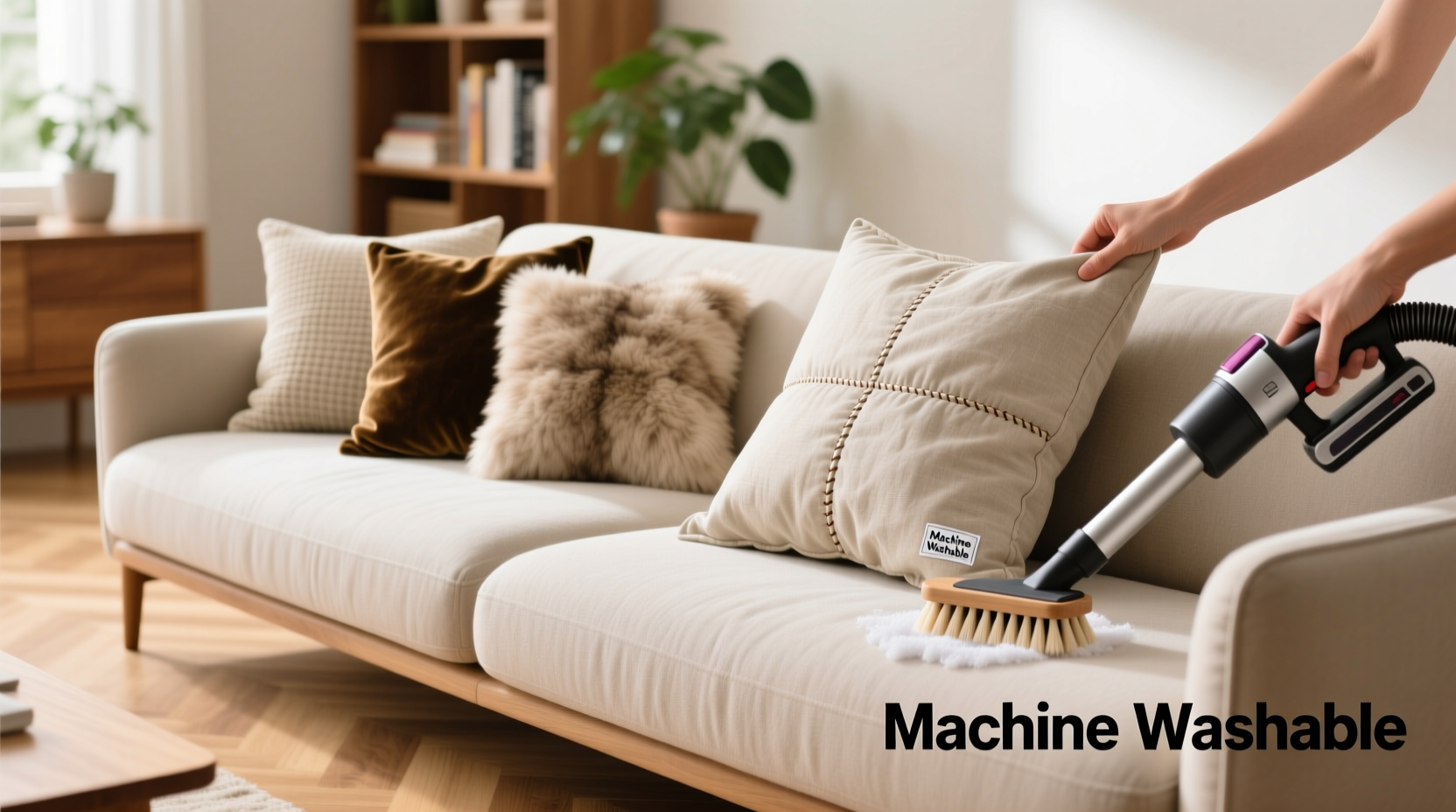
The first step in effective pillow maintenance is identifying the materials involved. Different fabrics and fillings require distinct care approaches. Common combinations include cotton, linen, velvet, polyester blends, down feathers, and synthetic fibers like polyfill. Misjudging the material can lead to shrinkage, color bleeding, or structural damage during cleaning.
Always check the manufacturer’s label for care instructions. If unavailable, perform a spot test on an inconspicuous area when using any new cleaning product. Natural fibers such as cotton and linen generally tolerate machine washing better than delicate textiles like silk or wool, which may require dry cleaning.
Step-by-Step Guide to Cleaning Throw Pillows
Cleaning throw pillows isn’t just about removing visible stains—it’s about eliminating embedded allergens and preventing long-term odor buildup. Follow this structured timeline to clean your pillows safely and effectively.
- Remove covers (if removable): Many decorative pillows come with zip-off covers. These should be washed separately according to the fabric type.
- Vacuum the surface: Use a soft brush attachment to remove loose dust, pet hair, and debris from both the cover and insert.
- Treat stains immediately: Blot spills gently with a clean cloth; avoid rubbing. Apply a mild detergent solution (1 tsp dish soap + 1 cup water) and blot again.
- Wash or spot-clean: For machine-washable covers, use cold water on a gentle cycle. Non-removable covers require careful hand-cleaning with a damp sponge and mild cleaner.
- Dry thoroughly: Air-dry whenever possible. Direct sunlight helps disinfect but may fade colors—limit exposure to 1–2 hours. Never tumble-dry feather-filled pillows unless specified.
- Fluff and reshape: Once dry, gently knead inserts to restore loft and position filling evenly inside the casing.
When to Deep Clean vs. Spot Clean
Spot cleaning works well for minor spills or surface grime and should be done as soon as issues arise. Deep cleaning—washing entire covers or inserts—is recommended every 3–6 months, depending on usage. High-traffic households or homes with pets may benefit from quarterly deep cleans.
“Most people underestimate how much sweat and skin cells accumulate on decorative pillows. A monthly refresh can prevent microbial growth and prolong fabric integrity.” — Dr. Lena Torres, Home Hygiene Specialist
Do’s and Don’ts of Pillow Maintenance
| Do’s | Don’ts |
|---|---|
| Use protective pillow covers beneath decorative ones | Soak non-waterproof inserts in liquid |
| Rotate pillows weekly to balance sun exposure and wear | Use bleach or harsh chemicals on colored fabrics |
| Store off-season pillows in breathable cotton bags | Overload the washing machine when cleaning bulky inserts |
| Apply fabric protectant sprays to resist future stains | Iron velvet or textured fabrics without testing first |
| Air out pillows monthly near open windows | Ignore moldy or musty smells—these indicate trapped moisture |
Real-Life Example: Reviving a Neglected Living Room Set
Jamie, a homeowner in Portland, noticed her cream-colored linen throw pillows had yellowed and developed a stale smell after two years of regular use. She avoided washing them, fearing shrinkage. Eventually, she consulted a textile care service, who advised her to hand-launder the covers in lukewarm water with a pH-neutral detergent. After air-drying flat and steaming lightly to remove wrinkles, the pillows regained nearly their original brightness. The technician also recommended adding a removable inner liner to prevent future oil transfer from hands. By implementing bi-monthly vacuuming and seasonal washes, Jamie extended the usable life of her pillows by over three additional years.
Essential Maintenance Checklist
- ✅ Inspect all pillow labels for care instructions
- ✅ Vacuum each pillow with upholstery attachment monthly
- ✅ Rotate pillow placement weekly for even fading and wear
- ✅ Treat stains within 24 hours using gentle solutions
- ✅ Deep clean removable covers every 3–6 months
- ✅ Store spare pillows in ventilated containers away from humidity
- ✅ Refresh scent naturally with baking soda before re-fluffing
- ✅ Replace inserts every 1–2 years if they no longer hold shape
Frequently Asked Questions
Can I wash throw pillows with down inserts?
Yes, but only if the care label permits. Use a front-loading machine on a gentle cycle with mild detergent. Add two clean tennis balls to help maintain loft during drying. Ensure the insert is completely dry before reuse to prevent mildew.
How do I remove odors without washing?
Sprinkle baking soda liberally over the pillow surface and let sit for 30–60 minutes. Vacuum thoroughly afterward. For stronger odors, place the pillow in a sealed container with activated charcoal overnight.
Are fabric protectants worth using?
Absolutely. Products like Scotchgard or eco-friendly alternatives create an invisible barrier against liquids and stains. Reapply every 3–4 months for maximum effectiveness, especially on frequently used pillows.
Preserve Comfort, Beauty, and Hygiene
Maintaining your sofa throw pillows goes beyond aesthetics—it supports indoor air quality and overall home wellness. Dust mites, mold spores, and bacteria thrive in neglected textiles, potentially aggravating allergies or respiratory conditions. By integrating simple habits like rotation, prompt stain response, and periodic deep cleaning, you safeguard both health and investment. High-end pillows may carry a premium price tag, but their value multiplies when cared for properly. Even budget-friendly options can last significantly longer with attentive upkeep.
Remember, consistency beats intensity. A few minutes of preventive care each month saves hours of intensive restoration later—and keeps your living room feeling fresh, inviting, and thoughtfully styled.




 浙公网安备
33010002000092号
浙公网安备
33010002000092号 浙B2-20120091-4
Comments
No comments yet. Why don't you start the discussion?