
The textured Camellia iPhone case has earned a loyal following for its elegant floral pattern, tactile grip, and premium protection. Crafted with attention to detail, it combines fashion with function—yet like any high-quality accessory, it requires thoughtful care. Over time, daily use exposes the case to oils, dust, and environmental grime that can dull its finish and compromise hygiene. Without proper maintenance, the texture may trap residue, discoloration can occur, and the overall lifespan of the case diminishes. The good news? With the right techniques, you can keep your Camellia case looking pristine for months—or even years—beyond average wear.
Understanding Your Textured Camellia Case Material
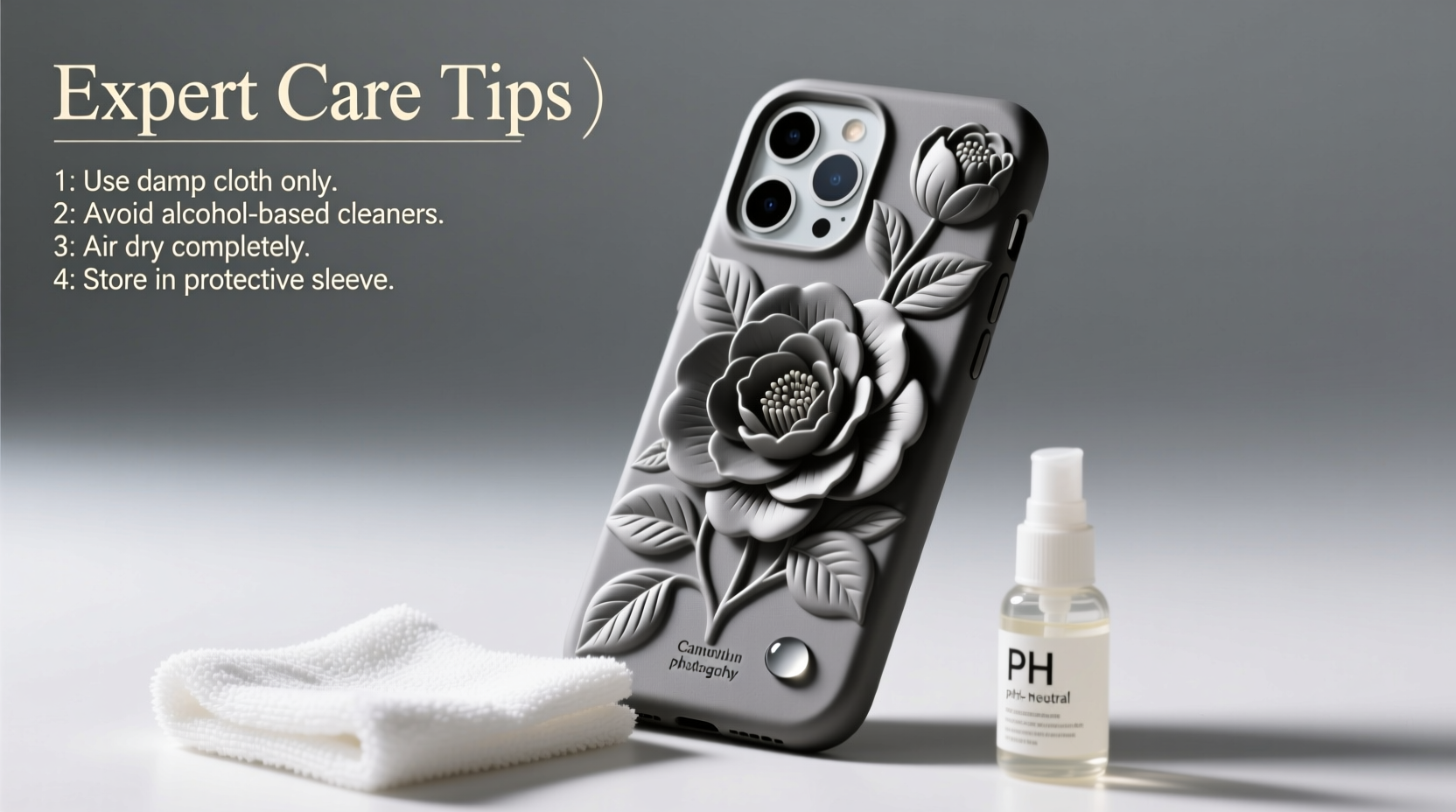
Most textured Camellia cases are made from a soft-touch TPU (thermoplastic polyurethane) or hybrid silicone blend designed to offer both durability and aesthetic appeal. The raised floral texture not only enhances grip but also adds visual depth. However, this very texture creates micro-grooves where dirt, sweat, and pocket lint accumulate. Unlike smooth cases, textured surfaces require more deliberate cleaning methods to reach into crevices without damaging the material.
These cases often feature a matte or semi-gloss finish that resists fingerprints better than glossy alternatives, but they remain vulnerable to UV exposure, heat, and harsh chemicals. Preserving the integrity of the surface means understanding what to use—and what to avoid—during cleaning.
“Many users don’t realize that everyday hand lotions and sunscreen contain oils that react with soft-touch plastics over time, leading to yellowing or stickiness.” — Dana Reeves, Product Care Specialist at MobileShield Labs
Step-by-Step Guide: Deep Cleaning Your Camellia Case
A thorough deep clean should be performed every 4–6 weeks, depending on usage. If you carry your phone in pockets, bags, or work environments with higher exposure to dust or moisture, consider cleaning monthly.
- Remove the case from your iPhone. Power down your device first if possible, then gently peel the case off, starting at the bottom corners to avoid stress on ports.
- Rinse under lukewarm water. Hold the case under a gentle stream to loosen surface debris. Never use hot water, as it can warp TPU and degrade adhesive layers near buttons.
- Apply a drop of mild dish soap. Use a soft microfiber cloth or a clean toothbrush with soft bristles. Gently scrub all surfaces, paying special attention to textured areas where buildup hides.
- Clean around buttons and ports. Use a cotton swab dampened with soapy water to reach into speaker cutouts, camera rings, and button recesses. Avoid excessive moisture inside openings.
- Rinse thoroughly. Ensure no soap residue remains, especially in textured zones, as leftover suds can attract more dirt.
- Air-dry completely. Place the case on a lint-free towel in a shaded area. Do not use heat sources like hairdryers or radiators. Allow at least 2–3 hours for full drying before reattaching.
Do’s and Don’ts: Maintaining Long-Term Quality
To extend the life of your Camellia case, follow these best practices backed by material engineers and accessory care professionals.
| Do | Don’t |
|---|---|
| Wipe the case weekly with a dry microfiber cloth | Use alcohol-based cleaners or disinfectant wipes regularly |
| Store the phone in a clean, dry environment when not in use | Leave the case in direct sunlight (e.g., car dashboards) |
| Rotate between two cases to reduce continuous wear | Soak the case in water for extended periods |
| Clean hands before handling your phone frequently | Use abrasive scrubbers like steel wool or stiff brushes |
Real Example: How One User Extended Her Case’s Life by 8 Months
Sophie, a freelance photographer in Portland, uses her iPhone daily on shoots—often in dusty outdoor locations or humid forests. She noticed her Camellia case began to look dull after just two months. Instead of replacing it, she implemented a bi-weekly wipe-down using a microfiber cloth and monthly deep cleans following the method above. She also started storing her phone in a small fabric pouch when switching lenses.
After eight months, her case still retained its original color contrast and texture definition. “People ask if I just bought it,” she said. “I tell them it’s all about consistency—not intensity—of care.” Her experience underscores that routine maintenance beats occasional intensive efforts.
Preventative Maintenance Checklist
Stay ahead of wear with this simple checklist. Perform weekly tasks to prevent buildup and monthly actions to preserve material health.
- ✅ Wipe down exterior with dry microfiber cloth (weekly)
- ✅ Inspect button responsiveness and fit alignment (bi-weekly)
- ✅ Perform full deep clean (monthly or every 6 weeks)
- ✅ Check for signs of yellowing, warping, or stickiness (monthly)
- ✅ Rotate with a backup case if used heavily (optional but recommended)
- ✅ Store in a cool, dry place away from direct light (always)
Frequently Asked Questions
Can I use hand sanitizer to clean my Camellia case?
No. While hand sanitizer may seem convenient, most contain high concentrations of alcohol (60–95%), which degrades soft-touch TPU over time. Alcohol strips protective coatings, accelerates yellowing, and can make the surface feel sticky. Stick to mild soap and water for safe cleaning.
Why is my case turning yellow?
Yellowing typically results from prolonged exposure to UV light, heat, or chemical reactions with skincare products. Even indirect sunlight through windows can trigger oxidation in certain plastics. To slow this process, avoid leaving your phone in sunny spots and wash your hands before prolonged phone use.
How often should I replace my Camellia case?
With proper care, a textured Camellia case can last 12–18 months. Replace it when you notice persistent stickiness, visible cracks, loss of structural integrity, or if it no longer snaps securely onto your phone. Early replacement prevents potential damage to your iPhone from an ill-fitting case.
Final Thoughts: Small Habits, Lasting Results
Your textured Camellia iPhone case is more than just protection—it’s a reflection of personal style and attention to detail. Its intricate design deserves care that goes beyond occasional wiping. By integrating gentle yet effective cleaning habits into your routine, you preserve not only appearance but functionality. The texture that gives you grip today can remain crisp and clean tomorrow—if you treat it right.
Maintenance doesn’t require expensive tools or complicated rituals. It starts with awareness: noticing when grime builds up, choosing the right materials for cleaning, and avoiding common pitfalls like heat exposure or harsh solvents. Every small action compounds over time, protecting your investment and keeping your device looking polished.




 浙公网安备
33010002000092号
浙公网安备
33010002000092号 浙B2-20120091-4
Comments
No comments yet. Why don't you start the discussion?