
Gothic platform boots are more than footwear—they’re a statement. With their dramatic height, intricate detailing, and often luxurious materials like faux or genuine leather, PVC, and suede, these boots demand attention. But that same bold design makes them vulnerable to wear, moisture damage, and staining if not properly maintained. Cleaning and protecting them isn’t just about aesthetics; it’s about preserving structural integrity, comfort, and longevity. Unlike standard footwear, gothic platforms require specialized care due to layered soles, hardware accents, and mixed-material construction. This guide delivers expert-backed strategies to keep your boots looking fierce and functioning flawlessly season after season.
Understanding Your Boot’s Materials
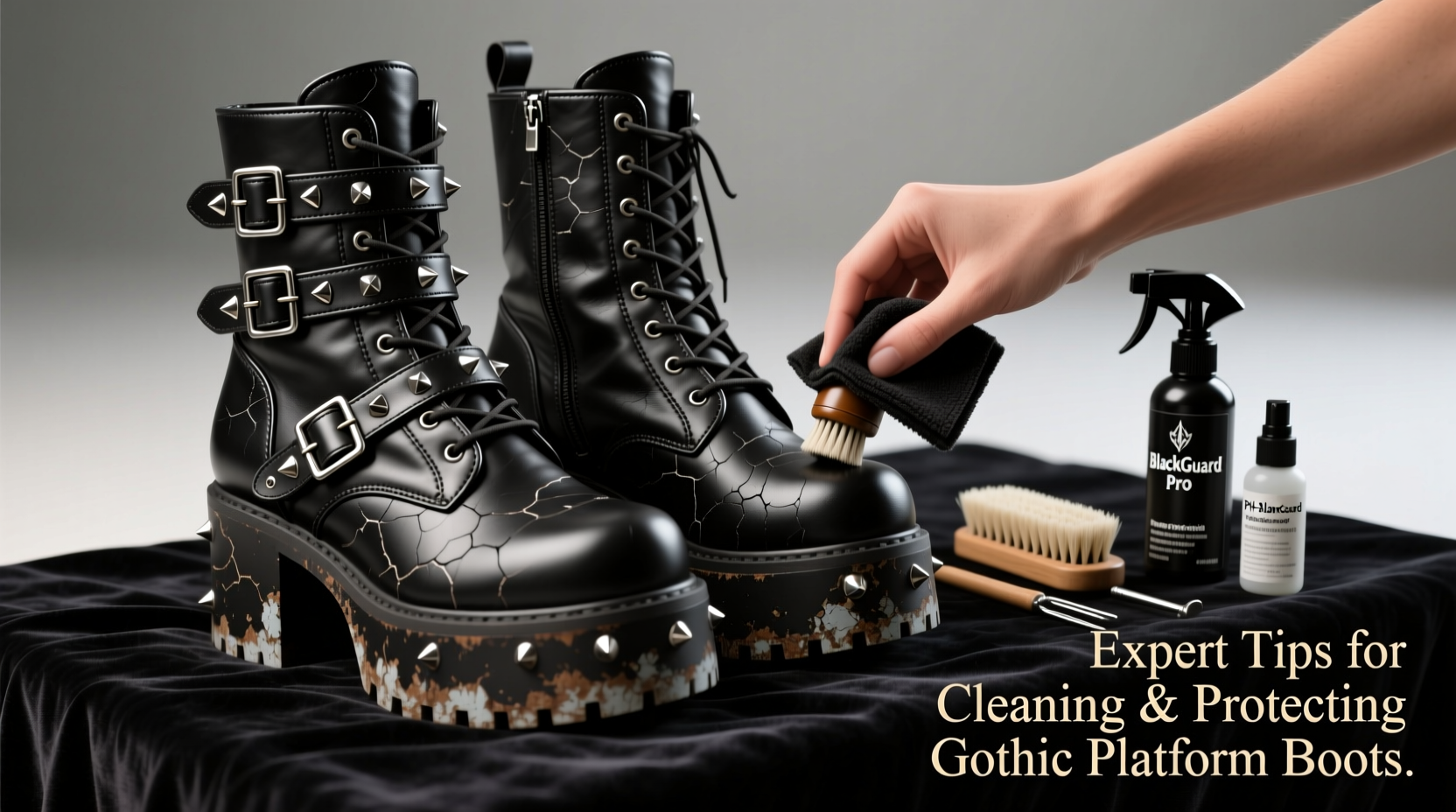
The first rule of effective boot care: know what you’re working with. Gothic platform boots often combine multiple materials—each requiring distinct cleaning methods. Misidentifying the material can lead to irreversible damage. For example, using a water-based cleaner on untreated suede will leave permanent stains, while harsh solvents on PVC can cause cracking.
Common materials include:
- Faux or Genuine Leather: Durable but sensitive to oils, heat, and over-wetting.
- PVC or Patent Finish: Shiny, waterproof surfaces that resist dirt but attract scratches and hazing.
- Suede or Nubuck: Soft textures prone to watermarks and scuffing.
- Canvas or Textile Uppers: Often used in hybrid designs; susceptible to mildew and fading.
- Metal Hardware: Zippers, buckles, and chains may tarnish or seize without proper maintenance.
Step-by-Step Cleaning Process
Cleaning should be approached methodically. Rushing or skipping steps leads to residue buildup, discoloration, or warping of soles. Follow this timeline for optimal results:
- Remove Laces and Insoles: Take out laces and removable footbeds to clean separately. Soak laces in warm, soapy water; hand wash insoles with mild detergent and air dry flat.
- Dry Brush Off Debris: Use a soft-bristle brush (like a shoe shine or toothbrush) to remove surface dust, salt, or dried mud. Focus on seams, tread grooves, and around hardware.
- Spot Clean Stains: Apply a small amount of appropriate cleaner—leather shampoo for leather, suede eraser for nubuck, or a damp cloth with gentle soap for PVC. Never saturate the material.
- Wipe Down Entire Surface: Using a microfiber cloth slightly dampened with cleaner, gently wipe each section. Work in sections and avoid pooling liquid.
- Address Sole Buildup: Platform soles collect grime. Use an old toothbrush with baking soda and water paste to scrub treads. Rinse with a damp cloth.
- Air Dry Naturally: Place boots upright in a well-ventilated room away from direct heat or sunlight. Stuff with acid-free paper to maintain shape. Avoid radiators or hairdryers—heat warps adhesives and cracks finishes.
Drying Timeline & Conditions
| Material | Drying Time | Ideal Environment |
|---|---|---|
| Leather | 6–12 hours | Room temperature, airflow |
| PVC | 3–6 hours | Away from UV light |
| Suede | 12–24 hours | Dry, low humidity |
| Canvas | 8–16 hours | Ventilated space |
Protection Techniques That Actually Work
Cleaning restores, but protection prevents. A single protective treatment can repel water, resist stains, and reduce scuff visibility. However, not all protectants are equal—and some can dull finishes or yellow over time.
Choose conditioners and sprays based on material:
- Leather: Use a pH-balanced conditioner every 4–6 weeks. Follow with a silicone-free waterproofing spray.
- PVC: Wipe with a vinyl protectant or silicone-free furniture polish monthly to restore shine and prevent hazing.
- Suede: Spray with a dedicated suede protector before wearing. Reapply monthly or after exposure to moisture.
- Hardware: Lubricate zippers with beeswax or zipper glide. Wipe metal with a jewelry polishing cloth to prevent tarnish.
“Many people ruin their boots by over-conditioning. One thin layer of protection applied correctly is far better than heavy, frequent applications.” — Marcus Reed, Footwear Restoration Specialist
Common Mistakes to Avoid
Even experienced wearers make errors that shorten boot lifespan. Awareness is half the battle. Below are frequent missteps and their consequences:
| Mistake | Consequence | Correction |
|---|---|---|
| Using household cleaners (e.g., bleach, vinegar) | Discoloration, material breakdown | Use only products designed for footwear |
| Storing in plastic bags | Traps moisture, encourages mold | Store in breathable cotton bags or open air |
| Wearing in heavy rain or snow | Water seepage, sole delamination | Limit use in extreme weather; apply water repellent |
| Ignoring minor scuffs | Scuffs deepen, become harder to fix | Treat immediately with appropriate touch-up pen or eraser |
Real Example: Restoring a Vintage Pair
Lena, a goth fashion blogger, inherited a pair of 1990s platform boots from her sister. The black leather was cracked, the soles grimy, and the silver buckles were corroded. She avoided throwing them out, opting instead for a restoration project.
She began by dry brushing the entire boot, then cleaned the leather with a lanolin-based balm. After 48 hours of drying, she applied a color-matched leather dye to faded areas. The buckles were soaked in white vinegar and scrubbed with a toothbrush to remove rust, then coated with clear nail polish to prevent future oxidation. Finally, she sealed the leather with a matte protectant.
The result? A wearable vintage piece that now lasts through festival seasons. Lena’s experience underscores that even heavily worn boots can be revived with patience and the right technique.
Essential Care Checklist
Keep this checklist handy for routine maintenance:
- ☐ Remove debris after each wear
- ☐ Deep clean every 4–6 wears or when visibly soiled
- ☐ Condition leather or treat suede monthly
- ☐ Inspect soles and stitching for wear
- ☐ Lubricate zippers and clean hardware quarterly
- ☐ Store in a cool, dry place with proper ventilation
- ☐ Use shoe trees or stuffing to maintain shape
Frequently Asked Questions
Can I machine wash my gothic platform boots?
No. Machine washing exposes boots to excessive agitation, heat, and moisture, which can separate glued soles, warp shapes, and ruin finishes. Always clean by hand using appropriate methods for each material.
How do I remove salt stains from winter wear?
For leather or synthetic uppers, mix equal parts water and white vinegar. Dampen a cloth and gently rub the stain. Once lifted, wipe with a clean damp cloth and let dry. Finish with a conditioner to restore moisture lost to salt exposure.
Are waterproof sprays safe for all platform boots?
Not universally. Test first. Silicone-based sprays work well on leather and fabric but can cloud PVC or patent finishes. Look for product labels specifying compatibility. Suede-specific sprays are essential for napped materials.
Final Thoughts
Gothic platform boots are an investment in self-expression. Their durability hinges not on build alone, but on consistent, informed care. By understanding materials, following structured cleaning routines, and applying targeted protection, you preserve both form and function. These boots carry attitude, history, and craftsmanship—treat them with respect, and they’ll stand tall for years to come.




 浙公网安备
33010002000092号
浙公网安备
33010002000092号 浙B2-20120091-4
Comments
No comments yet. Why don't you start the discussion?