
Choosing the perfect wedding band is more than selecting a design or metal—it starts with one of the most crucial details: the correct ring size. A poorly fitting band can lead to discomfort, frequent adjustments, or even loss during daily wear. Yet, many couples overlook sizing until the last minute, relying on guesswork or outdated measurements. The truth is, getting the size right the first time prevents stress, extra costs, and disappointment. With expert guidance, temperature variables, finger anatomy, and measurement techniques in mind, you can ensure a precise, comfortable fit that lasts a lifetime.
Why Accurate Sizing Matters More Than You Think
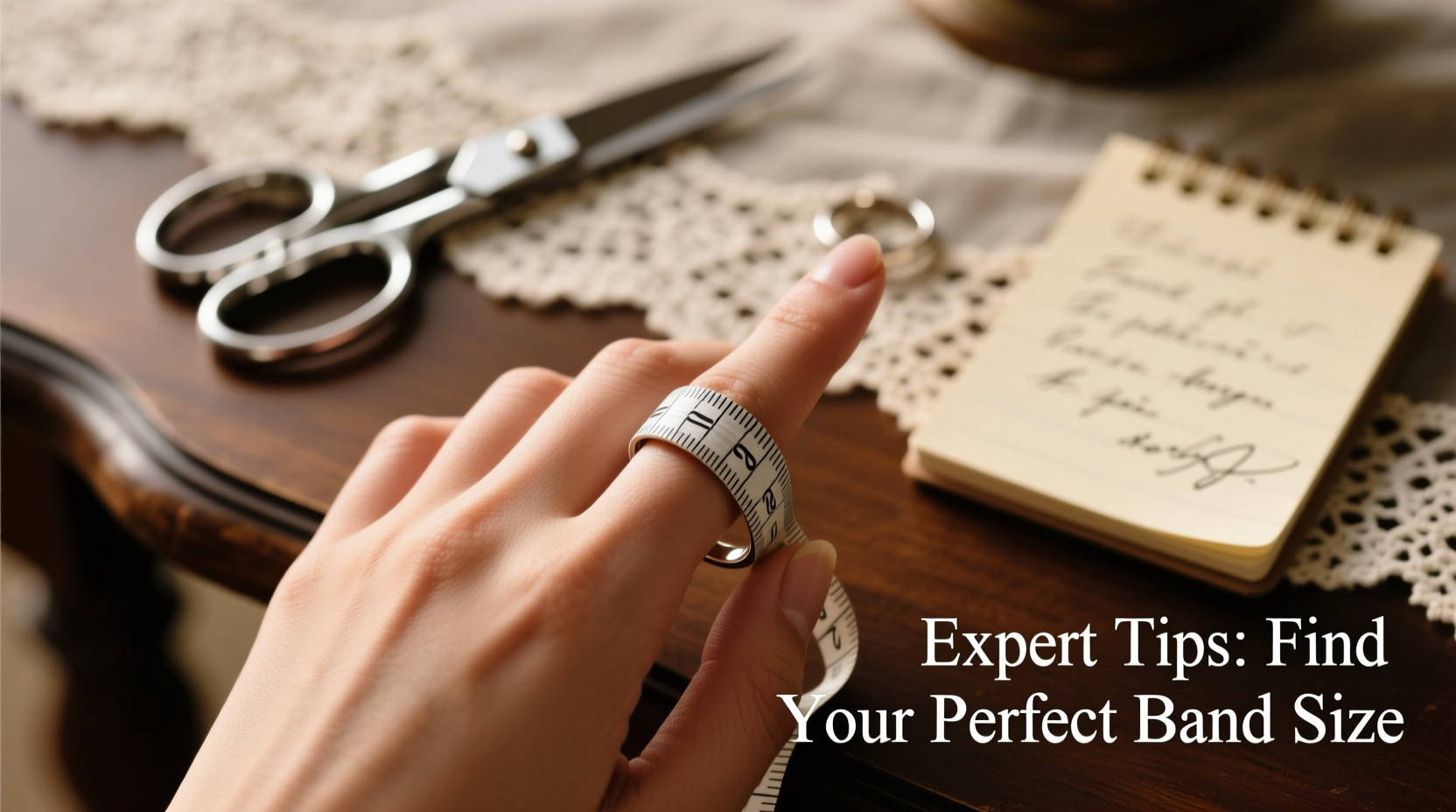
A wedding band is worn every day, often for decades. Unlike fashion rings, which may be rotated or removed, your wedding band becomes an extension of your hand. An incorrect size doesn’t just cause temporary discomfort—it can affect circulation, interfere with joint movement, or make the ring difficult to remove during swelling episodes. Over time, a too-tight band may leave permanent indentations; a loose one risks slipping off during routine activities like washing hands or lifting objects.
According to the Jewelers of America, nearly 40% of engagement and wedding rings require resizing after purchase. Many jewelers charge for this service, especially if the ring has intricate detailing or gemstones. Avoiding this hassle starts with accurate initial sizing.
“Even half a size can make the difference between a ring that feels invisible and one that’s constantly noticed for the wrong reasons.” — Daniel Reyes, Master Bench Jeweler with 25 years of experience
The Science Behind Finger Size Fluctuations
Finger size isn’t static. It changes throughout the day and across seasons due to factors like temperature, hydration, and activity level. Ignoring these variables leads to inaccurate measurements and poor long-term fit.
Blood flow increases in warm environments, causing fingers to swell slightly. Conversely, cold weather causes vasoconstriction, making fingers thinner. This means a ring that fits perfectly in winter might feel tight in summer. Similarly, fingers are typically largest in the evening after a full day of activity and fluid retention.
Key Factors That Influence Ring Fit
- Time of day: Fingers swell as the day progresses.
- Weather: Heat expands tissue; cold contracts it.
- Diet and hydration: High sodium intake or hormonal cycles can cause temporary swelling.
- Ring width: Wider bands (6mm+) often feel tighter and may require a half-size larger than narrow bands.
- Knots and joints: Arthritic or prominent knuckles may need a slightly larger size for easy sliding.
Step-by-Step Guide to Measuring Ring Size at Home
If visiting a jeweler isn’t immediately possible, you can take preliminary measurements at home with high accuracy. Follow this methodical approach for reliable results.
- Gather tools: Use a smooth, non-stretch string, dental floss, or thin strip of paper, plus a ruler marked in millimeters.
- Choose the right finger: Measure the exact finger where the ring will be worn—ring sizes differ between hands and fingers.
- Wrap snugly: Circle the base of the finger (just below the knuckle) with the string. Ensure it’s not too tight or loose—sliding should require slight resistance.
- Mark and measure: Mark where the ends meet, then lay the string flat against the ruler to get the circumference in millimeters.
- Convert to size: Use a standard ring size chart to convert the measurement. For example, 51.5 mm ≈ US size 6.
- Repeat 2–3 times: Take multiple readings over different days to account for natural variation.
Note: This method works best for simple bands. If the intended ring has wide shoulders or large stones, consult a jeweler for professional fitting.
Do’s and Don’ts When Determining Wedding Band Size
| Do’s | Don’ts |
|---|---|
| Measure at the end of the day when fingers are largest | Measure first thing in the morning when fingers are smallest |
| Use a metal sizer or visit a jewelry store for precision | Rely solely on online printable charts (paper stretches) |
| Account for knuckle size if it’s significantly larger than the base | Ignore the difference between narrow and wide band fittings |
| Test with a sizer that mimics the actual band’s width | Guess based on a partner’s old ring (styles and metals vary) |
| Recheck size within a week for consistency | Finalize purchase without double-checking |
Mini Case Study: How One Couple Avoided a Costly Mistake
Sarah wanted to surprise her fiancé, Mark, with matching platinum wedding bands. She borrowed his silver signet ring one evening and used a paper wrap method to estimate his size. Confident in a size 9, she ordered two custom bands online. Two weeks later, they arrived—only to discover they were too small. Mark’s fingers had been cold that night, and the borrowed ring was a looser fit due to wear over time. By the afternoon, the new bands were painful to wear.
They returned the rings at a $75 restocking fee and visited a local jeweler. After proper sizers and professional assessment, Mark’s true size was determined to be 9.5. The second set fit perfectly. Lesson learned: never rely on a single measurement, especially from a worn or ill-fitting donor ring.
When to Seek Professional Help
While DIY methods offer convenience, nothing replaces a trained jeweler’s tools and expertise. Professional ring sizers are made of metal, come in precise increments (including half and quarter sizes), and allow testing of different widths. Many jewelers offer free sizing services, even if you’re not buying from them.
This is especially important if:
- You're purchasing a ring with diamonds or intricate settings.
- The recipient has arthritic or irregularly shaped fingers.
- You’re buying a wide band (over 4mm).
- The ring cannot be resized easily (e.g., tungsten, ceramic, or eternity bands).
FAQ: Common Questions About Wedding Band Sizing
Can I resize my wedding band later?
Most metal bands can be resized, but there are limitations. Gold and platinum bands can usually be adjusted up or down by one full size. However, rings with embedded stones, engravings, or tension settings may not be resizable. Materials like tungsten, titanium, or ceramic cannot be resized at all and must be replaced.
My partner doesn’t know their size—how can I find out discreetly?
Borrow a ring they wear on the correct finger. Trace the inside diameter on paper and bring it to a jeweler. Alternatively, ask a close friend or family member who might know. Some jewelers also offer discreet sizer kits you can mail in anonymously.
Should I size up or down for a comfort-fit band?
Comfort-fit rings have an arched interior, making them easier to slide on. They often feel slightly looser than standard bands. In most cases, stick to your true size unless advised otherwise by a professional. If you're between sizes, some experts recommend going up half a size for comfort-fit styles.
Final Checklist Before Buying Your Wedding Band
- ✅ Measure at the right time:
- Evening, room temperature, after normal activity.
- ✅ Use consistent tools:
- Metal sizers or calibrated measuring strips—not paper or string alone.
- ✅ Test the fit:
- Slide the sizer on and off several times to simulate daily wear.
- ✅ Consider future changes:
- Weight fluctuations, aging, or medical conditions may affect size long-term.
- ✅ Confirm with a jeweler:
- Get a professional verification before finalizing the order.
Conclusion
Finding the perfect wedding band size is a blend of science, timing, and attention to detail. It’s not enough to guess or assume—precision ensures lifelong comfort and peace of mind. Whether you're planning a surprise or shopping together, investing time in accurate sizing protects your investment and honors the significance of the ring itself. Don’t rush this step. Visit a trusted jeweler, double-check your measurements, and prioritize fit as much as design.




 浙公网安备
33010002000092号
浙公网安备
33010002000092号 浙B2-20120091-4
Comments
No comments yet. Why don't you start the discussion?