
When winter sets in, few garments offer the reliable protection and comfort of a well-chosen puffer jacket. Originally designed for extreme conditions, puffers have evolved into wardrobe staples—blending high-performance insulation with modern aesthetics. But not all puffer jackets are created equal. Choosing one that delivers lasting warmth, enduring durability, and genuine style requires more than just following trends. It demands attention to materials, construction, fit, and function. With rising investment in outerwear, selecting the right piece means balancing practicality with personal expression—without compromising on quality.
Understand Insulation: Down vs. Synthetic
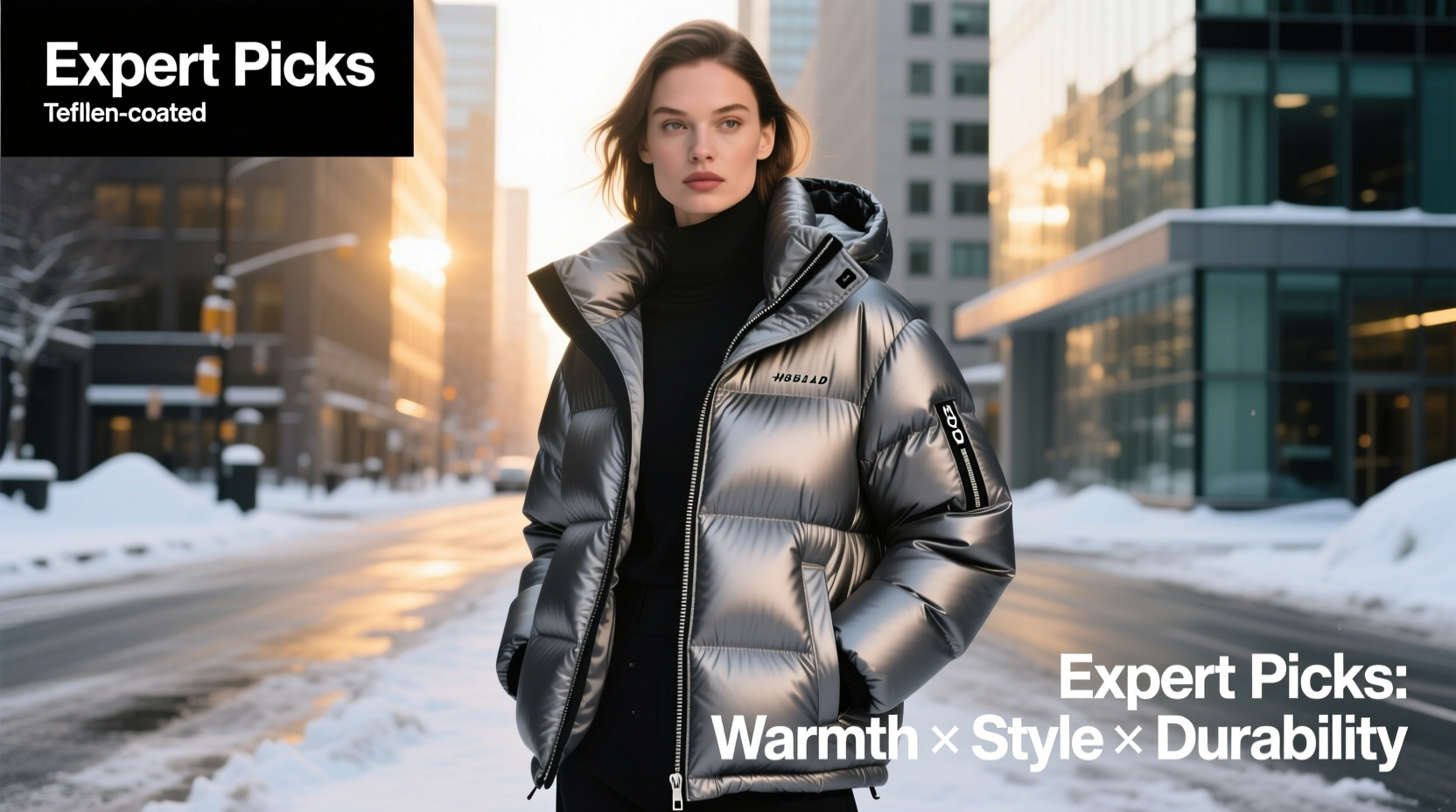
The core of any puffer jacket is its insulation. This determines how warm you’ll stay, how it handles moisture, and how long it lasts. The two primary types are down and synthetic, each with distinct advantages.
Down insulation, derived from duck or goose feathers, offers an unmatched warmth-to-weight ratio. High-quality down is compressible, lightweight, and incredibly efficient at trapping heat. Its performance is measured by fill power—the higher the number (typically 550 to 900), the better the loft and thermal efficiency. A 700+ fill power jacket will keep you warmer with less bulk than a lower-fill alternative.
However, down loses effectiveness when wet. Unless treated with a water-resistant coating (like hydrophobic down), it can clump and fail in damp conditions. It’s also generally more expensive and harder to clean.
Synthetic insulation, made from polyester fibers, performs reliably in wet environments. It retains warmth even when damp, dries quickly, and is often more affordable. While traditionally heavier and less compressible than down, recent advances in synthetic technology—such as PrimaLoft® and Thermore®—have closed the performance gap significantly.
| Insulation Type | Warmth | Durability | Water Resistance | Best For |
|---|---|---|---|---|
| Down (700+ fill) | ★★★★★ | ★★★★☆ | ★★☆☆☆ | Dry, cold climates |
| Synthetic (PrimaLoft Gold) | ★★★★☆ | ★★★★★ | ★★★★★ | Wet, variable conditions |
| Treated Down | ★★★★★ | ★★★☆☆ | ★★★☆☆ | Mixed environments |
Assess Shell Fabric and Construction Quality
A jacket’s outer shell plays a critical role in durability and weather resistance. Look for tightly woven, ripstop nylon or polyester fabrics with a Durable Water Repellent (DWR) finish. These materials resist abrasion, wind, and light precipitation while remaining lightweight.
Stitching and baffle design matter just as much. Traditional stitched-through baffles are common but can create cold spots where threads pass through the insulation. Jackets with box-wall or quilted construction eliminate this issue by creating fully enclosed chambers for insulation, preserving consistent warmth.
Zippers should be robust—YKK zippers are an industry standard for reliability. Check that the main zipper has a storm flap to block wind and moisture. Cuffs, hems, and hood adjusters should be elasticized or adjustable to seal out cold air.
“Durability starts with the fabric and ends with the seams. A jacket with high-fill down won’t help if the shell rips after two seasons.” — Lena Torres, Outdoor Apparel Designer at Alpine Gear Co.
Fit, Function, and Style That Works for You
A puffer jacket should complement your lifestyle, not restrict it. Consider how and where you’ll wear it most. Urban commuters benefit from sleeker, mid-length styles that layer easily over sweaters and under coats. Outdoor enthusiasts may prefer longer, roomier cuts that allow movement and accommodate base and mid-layers.
Try the jacket on with winter clothing to assess fit. There should be enough space to move your arms freely without excess bulk. The hem should sit at the hip or lower for optimal coverage. Hoods should fit snugly over a hat without obstructing vision.
Style doesn’t have to be sacrificed for function. Modern puffers come in tailored silhouettes, minimalist designs, and a broad color palette—from classic black and navy to bold seasonal hues. Choose a color that suits your wardrobe and environment; darker tones hide dirt better, while lighter shades feel more contemporary.
Step-by-Step Guide to Selecting Your Ideal Puffer Jacket
Selecting the right puffer involves evaluating multiple factors in sequence. Follow this process to make a confident decision:
- Define your primary use: Will you wear it daily in the city, commute in mixed weather, or use it for hiking and snow sports?
- Choose insulation type: Opt for down in dry cold; select synthetic or treated down for wet climates.
- Evaluate fill power (if down): Aim for 650+ fill for good warmth; 750+ for premium performance.
- Inspect the shell fabric: Look for ripstop nylon/polyester with DWR coating and strong tear resistance.
- Check construction details: Prefer box-wall baffles, YKK zippers, adjustable hood, and cuffs.
- Try it on with layers: Ensure mobility and proper fit over a sweater or fleece.
- Assess weight and packability: Lighter jackets are easier to carry when not in use.
- Compare care requirements: Some down jackets require special washing—check labels.
Real-World Example: Choosing the Right Puffer for City Life
Consider Sarah, a graphic designer living in Seattle. Her daily routine includes walking to the subway, cycling occasionally, and working in a heated office. She needs a jacket that handles drizzle, transitions between indoor and outdoor temperatures, and looks polished.
She opts for a mid-length synthetic puffer with a matte finish, waterproof shell, and hidden hood. The jacket packs into its own pocket for easy storage during meetings. Its slim cut fits over blazers, and the charcoal gray color matches her winter wardrobe. After two winters, it remains fully functional—proof that matching function to lifestyle yields long-term value.
Frequently Asked Questions
Can I wash my puffer jacket at home?
Yes, but carefully. Use a front-loading machine (no agitator), mild detergent, and the gentle cycle. Wash in cold water and dry on low heat with tennis balls to restore loft. Always check the care label first—some down jackets require professional cleaning.
How do I know if a puffer is durable enough?
Look for denier ratings—60D or higher indicates strong fabric. Reinforced elbows, double stitching, and reputable brands with warranties are good signs. Avoid ultra-thin shells unless they’re designed for packability, not daily wear.
Are expensive puffer jackets worth it?
Not always—but premium models often use superior materials, better construction, and more ethical sourcing. If you need a jacket that lasts five or more winters, investing in a $200–$300 model from a trusted brand typically pays off in longevity and performance.
Final Checklist Before Buying
- ✔️ Insulation type matches climate and use
- ✔️ Fill power is 650+ (for down)
- ✔️ Shell fabric is durable and water-resistant
- ✔️ Baffle construction minimizes cold spots
- ✔️ Zippers and closures are sturdy and functional
- ✔️ Fit allows layering without restriction
- ✔️ Hood, cuffs, and hem are adjustable
- ✔️ Jacket is easy to clean and maintain
- ✔️ Color and style integrate with your wardrobe
Make the Smart Choice This Winter
A great puffer jacket isn’t just about staying warm—it’s about confidence in design, resilience in construction, and consistency in performance. By focusing on insulation quality, fabric strength, and thoughtful fit, you can find a jacket that serves you well for years. Don’t settle for fast fashion compromises. Invest in a piece that protects you from the elements while reflecting your personal style. Your future self, braving the coldest mornings, will thank you.




 浙公网安备
33010002000092号
浙公网安备
33010002000092号 浙B2-20120091-4
Comments
No comments yet. Why don't you start the discussion?