
Cut hydrangeas are beloved for their lush, voluminous blooms and soft color palettes, making them a favorite in bouquets and home arrangements. Yet, they have a reputation for drooping within hours of being placed in a vase—especially overnight. Unlike many other cut flowers, hydrangeas are particularly sensitive to water loss and environmental stress. However, with the right care techniques, you can significantly extend their freshness and prevent that heartbreaking morning wilt. This guide shares expert-backed strategies to keep your hydrangeas looking full, vibrant, and hydrated for days longer than average.
Understanding Why Hydrangeas Wilt So Quickly
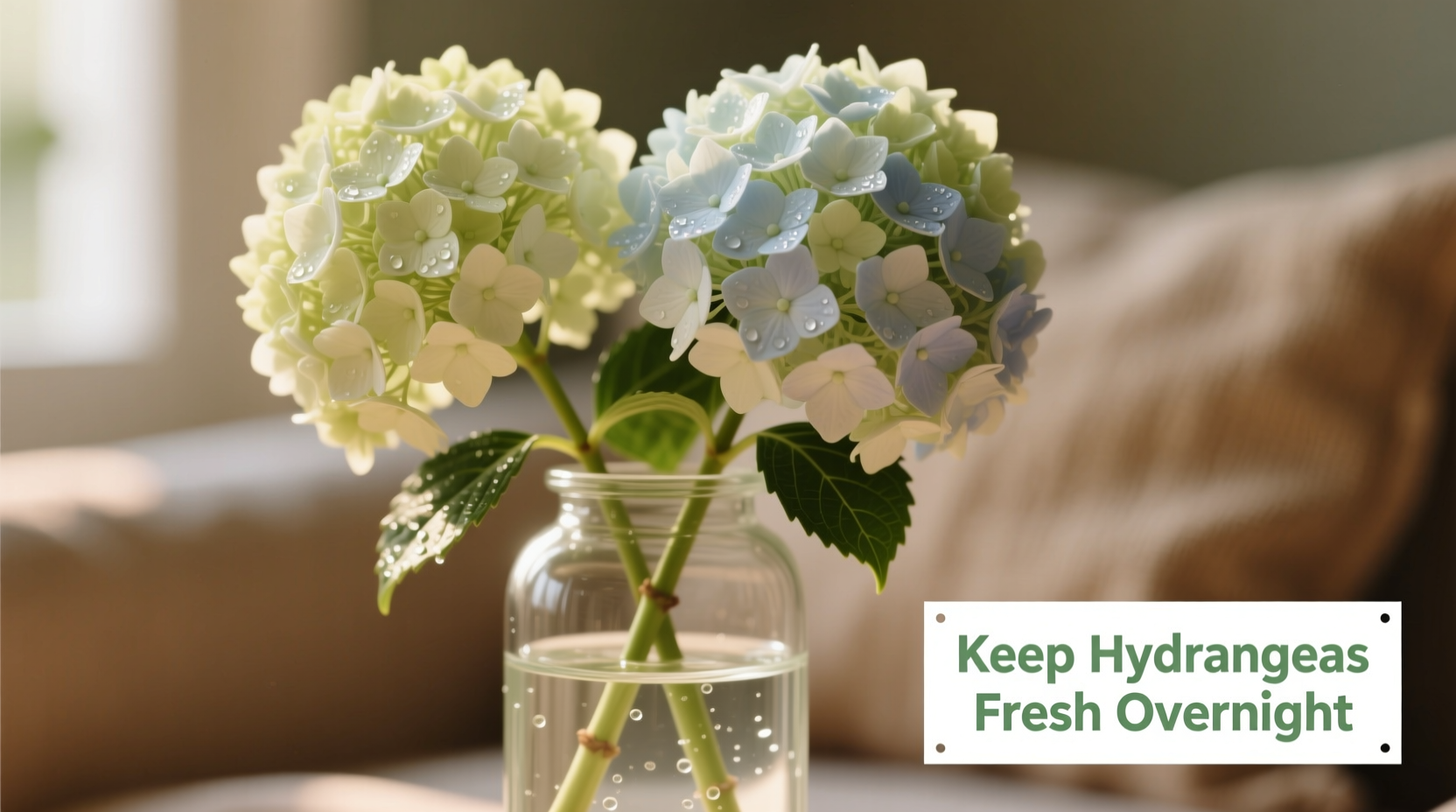
Hydrangeas are unique among cut flowers due to their high transpiration rate—the process by which plants lose moisture through their leaves and petals. Their large, porous flower heads act like sponges, releasing water rapidly into the air. Once cut from the plant, they rely entirely on the water in the vase, but their stems often struggle to absorb it efficiently.
A key issue is stem blockage. When hydrangeas are cut, especially with dull tools or left exposed to air too long before placing in water, air bubbles can form inside the xylem (the vascular tissue responsible for water transport). These embolisms prevent proper hydration, causing the blooms to sag despite sitting in water. Additionally, natural sap secretions can clog the stem ends, further reducing water uptake.
“Hydrangeas don’t just need water—they need uninterrupted access to it. The moment they’re cut, their race against dehydration begins.” — Dr. Laura Bennett, Post-Harvest Horticulture Specialist, University of Vermont
Temperature, humidity, and light exposure also play critical roles. Warm rooms, direct sunlight, and proximity to ripening fruit (which emits ethylene gas) accelerate aging and wilting. Understanding these biological factors is the first step toward effective preservation.
Step-by-Step Guide to Preparing and Arranging Cut Hydrangeas
The initial handling of hydrangeas after cutting or purchase determines their longevity. Follow this detailed sequence to maximize freshness:
- Harvest or select at peak firmness: Pick hydrangeas in the early morning when turgor pressure is highest. Choose blooms that are mostly open but still slightly tight in the center. Avoid fully mature or floppy heads.
- Use sharp, clean shears: Dull blades crush stems, damaging vascular tissues. Sanitize tools with rubbing alcohol to prevent bacterial transfer.
- Cut stems at a 45-degree angle: This increases surface area for water absorption and prevents the stem from sitting flat on the vase bottom, which can block flow.
- Immediately place in warm water (100–110°F / 38–43°C): Warm water is more easily absorbed and helps dissolve any air bubbles in the stem. Use a clean container filled with warm water while preparing additional stems.
- Remove lower foliage: Strip leaves from the lower two-thirds of the stem to prevent submersion and rot. Submerged leaves become breeding grounds for bacteria that clog stems.
- Re-cut under water: Before arranging, re-trim ½ inch off each stem while submerged in a sink or basin. This prevents air from entering the xylem during the cut.
- Use a floral preservative or DIY solution: Commercial packets inhibit bacterial growth and provide nutrients. Alternatively, make a homemade mix: 1 teaspoon sugar, 2 teaspoons lemon juice or white vinegar, and 1/4 teaspoon bleach per quart of water.
- Allow time for rehydration: Let the flowers rest in a cool, dark place for at least 2–4 hours (ideally overnight) before display. This allows deep water absorption without evaporation stress.
Do’s and Don’ts for Maintaining Freshness Overnight
Even well-prepared hydrangeas can wilt overnight if exposed to unfavorable conditions. The following table outlines essential practices to follow—and those to avoid—for optimal results.
| Do’s | Don’ts |
|---|---|
| Place in a cool room (65–70°F / 18–21°C): Lower temperatures slow water loss and metabolic decay. | Leave near heat sources: Radiators, ovens, or sunny windows increase transpiration and speed wilting. |
| Mist blooms lightly in the evening: A fine spray adds humidity without encouraging mold. | Over-mist or soak petals: Wet blooms invite fungal growth, especially in poor airflow. |
| Use a tall vase with adequate water depth: Stems should be submerged at least halfway up. | Let water level drop below 1 inch: Exposed stem ends dry out and seal shut. |
| Recut stems every 2–3 days: Refreshes water pathways and removes slime buildup. | Go more than 3 days without changing water: Bacteria multiply rapidly, blocking stems. |
| Keep away from ripening fruit: Ethylene gas accelerates senescence. | Place near kitchens or fruit bowls: Apples, bananas, and tomatoes emit high levels of ethylene. |
Real Example: Reviving a Wedding Bouquet Overnight
Sarah, a florist in Portland, Oregon, was tasked with preserving her client’s wedding bouquet for photos the next morning. The arrangement featured blue and white hydrangeas, which had begun to droop by the reception’s end. Knowing they wouldn’t survive the night using standard methods, Sarah applied a revival protocol.
She removed all ribbon and wiring, stripped submerged leaves, and re-cut each stem underwater. She then prepared a bucket with warm water and a commercial floral preservative. To increase humidity, she lightly misted the blooms and placed the bucket in a walk-in cooler set to 68°F (20°C), away from produce storage. The flowers remained there overnight.
The next morning, the hydrangeas were nearly as firm as the day they were cut. The bride was thrilled with the photo shoot results, and Sarah credited the success to immediate rehydration, temperature control, and ethylene avoidance. “It’s not magic,” she said. “It’s science and timing.”
Advanced Techniques Used by Professional Florists
Beyond basic care, experts use specialized methods to enhance hydrangea longevity. These are accessible to home users with minimal effort.
Hot Water Treatment
This technique forces open the xylem and dissolves air bubbles. After harvesting, immediately plunge freshly cut stems into 160°F (71°C) water—hot enough to handle briefly but not scalding. Hold for 30 seconds, then transfer to normal conditioning water. This method dramatically improves water uptake and is especially effective for stubbornly drooping stems.
Glycerin Stem Soak (For Long-Term Display)
For arrangements meant to last beyond a week, some florists use a glycerin-water solution (1 part glycerin to 2 parts water) after initial hydration. Glycerin replaces water in the stem and is less prone to evaporation, helping maintain turgidity even as the bloom ages. Note: This works best for dried or preserved displays rather than fresh-cut vases.
Aluminum Sulfate for Color Retention
Some gardeners add a pinch of aluminum sulfate to the vase water to stabilize blue hues in hydrangeas. While primarily used in soil for growing plants, small amounts in water can help preserve anthocyanin pigments. However, excessive use may harm water absorption—use sparingly and only with pH-stable varieties.
Frequently Asked Questions
Why do my hydrangeas wilt even though they’re in water?
Being in water isn’t enough. Wilting typically occurs due to stem blockage from air bubbles, bacterial growth, or sap hardening at the cut end. Re-cutting the stem under water and using a clean vase with floral preservative resolves most cases.
Can I revive completely drooping hydrangeas?
Yes, in many cases. Submerge the entire bloom in a bowl of lukewarm water for 30–60 minutes. The porous petals absorb moisture directly, plumping up the florets. Afterward, re-cut the stem underwater and return to a fresh vase. Success depends on how dehydrated the stem is—revival is unlikely after 48+ hours of dry exposure.
How long should cut hydrangeas last with proper care?
With optimal preparation and maintenance, hydrangeas can last 7–14 days. Factors include variety (some cultivars last longer), initial freshness, and environmental control. Regular water changes, cool placement, and avoiding ethylene exposure are key to reaching the upper end of this range.
Essential Checklist for Overnight Freshness
- ✅ Harvest or buy hydrangeas early in the day
- ✅ Cut stems at a 45-degree angle with sharp shears
- ✅ Immediately place in warm water (100–110°F)
- ✅ Remove all leaves below the waterline
- ✅ Re-cut stems underwater before final arrangement
- ✅ Use floral preservative or DIY solution (sugar + acid + bleach)
- ✅ Place in a cool, dark room overnight for rehydration
- ✅ Mist blooms lightly before bedtime
- ✅ Check water levels daily; never let it run low
- ✅ Recut stems and change water every 2–3 days
Conclusion: Transform Your Hydrangea Experience
Keeping cut hydrangeas fresh overnight—and for days beyond—isn’t about luck. It’s about understanding their biology and applying precise, science-based care. From hot water treatments to strategic misting and temperature management, each step plays a role in maintaining turgor and beauty. Whether you're displaying a garden harvest, a gift bouquet, or wedding flowers, these expert tips ensure your hydrangeas remain vibrant and full.
You don’t need professional tools or expensive products. With attention to detail, clean practices, and consistent maintenance, anyone can achieve lasting results. Try these methods with your next batch and see the difference for yourself.




 浙公网安备
33010002000092号
浙公网安备
33010002000092号 浙B2-20120091-4
Comments
No comments yet. Why don't you start the discussion?