
There’s nothing quite like slipping into bed beneath a layer of sumptuous, cloud-like sheets. But over time, even the most luxurious fabrics can lose their luster—developing pilling, stiffness, or a rough texture that undermines the sleep experience. The good news: with the right care, you can preserve the silky hand-feel, wrinkle-free drape, and indulgent softness of your favorite plush sheets for years. It’s not just about washing; it’s about understanding fabric behavior, water chemistry, and drying dynamics. These expert-backed strategies go beyond basic laundry advice to help you maintain truly luxurious bedding.
Choose the Right Fabric—and Know Its Needs
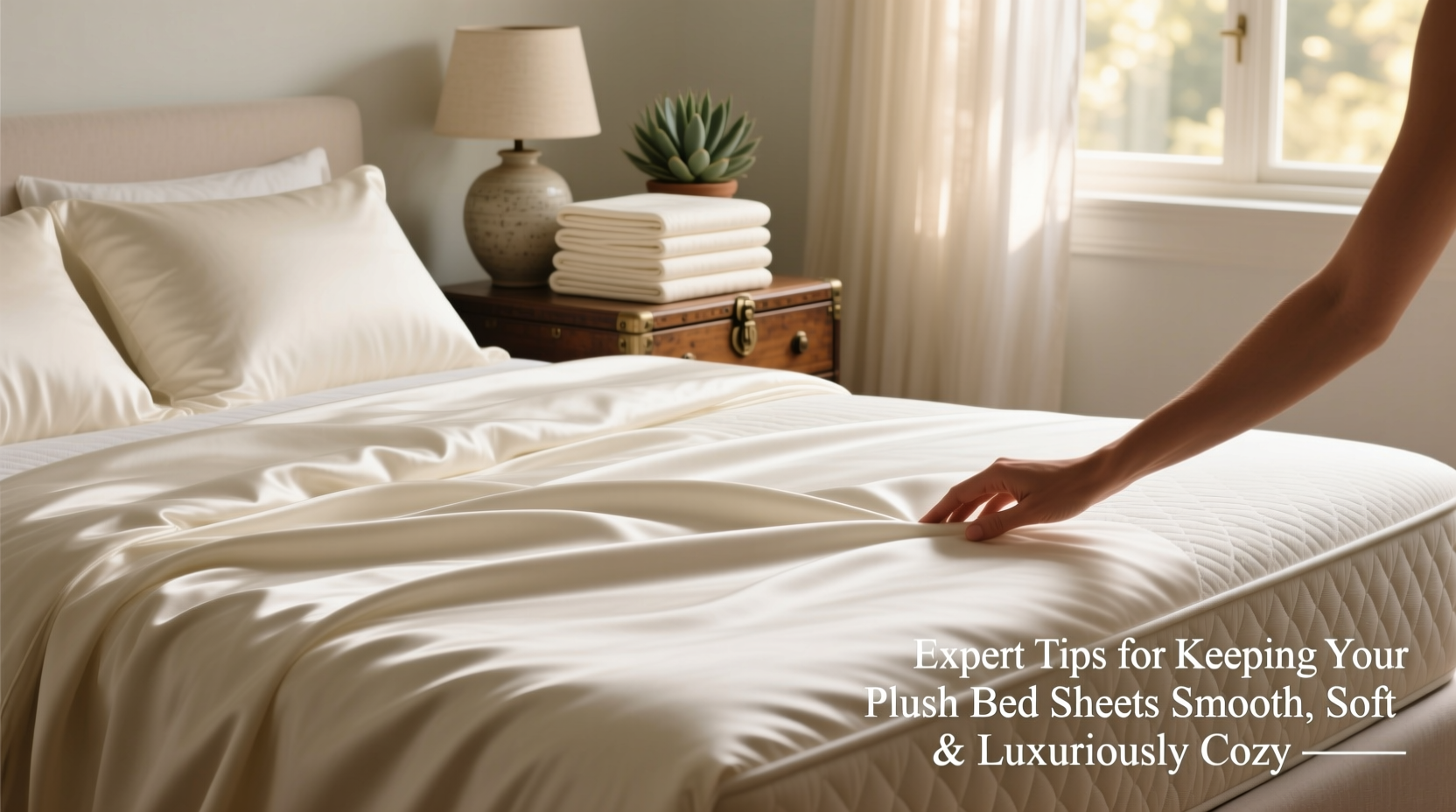
The foundation of long-term softness begins before purchase. Not all “plush” sheets are created equal. Materials like Egyptian cotton, sateen-weave cotton, bamboo lyocell, and microfiber each respond differently to wear and cleaning. Egyptian cotton, with its extra-long fibers, resists pilling and gains softness over time when cared for properly. Bamboo lyocell offers natural moisture-wicking and a silk-like feel but is sensitive to high heat. Sateen weaves deliver a glossy, smooth surface but can snag more easily than percale.
Understanding your sheet’s fiber composition allows you to tailor your care routine. For instance, cotton-based sheets tolerate higher wash temperatures but benefit from cooler cycles to preserve color and reduce fiber stress. Synthetics like microfiber require low heat and gentle detergents to avoid melting or static buildup.
Wash Smart: Temperature, Detergent, and Load Size
How you wash your sheets determines 70% of their lifespan. Overloading the machine creates friction that breaks down fibers. Underloading leads to excessive tumbling and wrinkling. Aim for one full set per load, allowing space for water and movement.
Water temperature matters. Hot water may seem ideal for sanitizing, but it accelerates fiber degradation, especially in delicate weaves. Use warm water (30–40°C / 85–105°F) for regular cleaning. Reserve hot water only for visibly soiled or allergen-prone situations, and always follow with a cool rinse.
Detergent choice is equally critical. Avoid products with bleach, optical brighteners, or heavy enzymes—they strip natural oils and weaken fibers. Opt for plant-based, fragrance-free detergents designed for delicates. And use less than you think: excess detergent residue builds up, making sheets feel stiff and look dull.
“Overwashing and harsh detergents are the two biggest culprits behind prematurely worn sheets. Softness isn’t lost overnight—it’s eroded cycle by cycle.” — Lena Ruiz, Textile Care Specialist, Home & Linen Institute
Step-by-Step Guide: The Ideal Wash Routine
- Strip the bed promptly—don’t let sheets sit bunched up for days.
- Turn inside out to protect the outer surface from abrasion.
- Pre-treat stains gently with a mix of baking soda and water; avoid chlorine-based removers.
- Use cold or warm water and select a gentle cycle.
- Add ½ cup white vinegar during the rinse cycle to soften fibers and remove detergent residue.
- Omit fabric softener—it coats fibers and reduces breathability over time.
- Remove immediately after the cycle ends to prevent deep-set wrinkles.
Drying Techniques That Preserve Softness
Tumble drying is convenient but risky. High heat scorches delicate fibers, leading to brittleness and shrinkage. To retain softness and structure:
- Dry on low or medium heat for the first 15 minutes.
- Switch to air-dry or no-heat setting for the remainder.
- Remove sheets while slightly damp—this makes ironing easier and prevents over-drying.
- If possible, hang dry outdoors in the shade. Sunlight naturally bleaches and sanitizes, but direct UV exposure fades colors and weakens threads.
For an instant smoothing boost, toss in a couple of wool dryer balls. They reduce drying time, soften fabric naturally, and prevent clumping—without the chemical residue of dryer sheets.
Care Comparison: Do’s and Don’ts by Fabric Type
| Fabric Type | Do’s | Don’ts |
|---|---|---|
| Egyptian Cotton | Wash in warm water, iron while damp, store folded | Avoid bleach, high heat, and overloading |
| Bamboo Lyocell | Use pH-neutral detergent, air-dry, store in breathable cotton bag | Never use fabric softener or high heat |
| Sateen Weave | Wash inside out, use vinegar rinse, tumble dry low | Avoid rough zippers or buttons in the load |
| Microfiber | Wash frequently, use gentle cycle, dry completely to prevent mildew | Don’t use fabric softener or iron directly |
Real Example: How One Household Transformed Their Bedding Care
Sarah, a nurse working night shifts in Portland, struggled with her once-soft sateen sheets turning rough and creased within months. She washed them weekly in hot water with standard detergent, then dried on high heat for convenience. After switching to a cooler wash with vinegar rinse, using wool dryer balls, and removing sheets before fully dry, she noticed a dramatic difference in just two cycles. “They felt like they did the day I bought them,” she said. “I didn’t realize how much damage I was doing trying to keep them clean.” Her sheets now last nearly three times longer, and she rotates between three sets to minimize wear.
Maintenance Checklist: Weekly & Seasonal Care
To stay ahead of wear and maintain consistent comfort, follow this checklist:
- ✔ Rotate between 2–3 sets weekly to reduce strain on fibers.
- ✔ Inspect for loose threads or snags and repair immediately.
- ✔ Wash every 7–10 days—longer intervals allow body oils to degrade fabric.
- ✔ Deep-clean quarterly with a mixture of baking soda and vinegar (no detergent).
- ✔ Store off-season sheets in cotton storage bags, never plastic.
- ✔ Keep away from sharp jewelry or pet claws during use.
Frequently Asked Questions
Can I use fabric softener on plush sheets?
No. While fabric softener may feel soft initially, it leaves a waxy coating that clogs fibers, reduces absorbency, and attracts dirt. Over time, this leads to stiffness and odor retention. Use white vinegar in the rinse cycle instead for natural softening.
Why do my sheets pill after just a few washes?
Pilling occurs due to friction, poor fiber quality, or incorrect washing settings. To minimize it: wash on gentle cycle, avoid mixing with rough items (like towels), and use a fabric shaver occasionally to remove pills without damaging the base cloth.
How often should I replace my sheets?
With proper care, high-quality plush sheets can last 3–5 years. Signs it’s time to replace include thinning fabric, persistent pilling, fading, or loss of elasticity in the fitted corners.
Final Thoughts: Elevate Your Sleep Experience Through Care
Luxurious bedding isn’t just about the initial purchase—it’s about stewardship. Every wash, dry, and fold either preserves or diminishes the sensory pleasure of your sheets. By adopting these expert methods, you’re not just maintaining fabric; you’re investing in better sleep, lasting value, and daily comfort. Small changes in routine yield outsized results in softness and longevity. Treat your sheets not as disposable linens, but as essential elements of your wellness ecosystem.




 浙公网安备
33010002000092号
浙公网安备
33010002000092号 浙B2-20120091-4
Comments
No comments yet. Why don't you start the discussion?