
Sleep eye masks with crossed lines—often designed to evenly distribute pressure across the eyes without compressing the eyelids—are increasingly popular among frequent travelers, shift workers, and those managing light sensitivity. Their ergonomic design enhances comfort, but like any personal wellness tool, they require consistent care to remain hygienic, effective, and durable. Sweat, oils, dust, and bacteria accumulate quickly on fabric that rests against the face nightly. Without proper maintenance, even the highest-quality mask can degrade in texture, smell, or performance. This guide delivers expert-backed strategies to preserve your crossed-line eye mask’s integrity, ensuring it continues supporting restful sleep for months or even years.
Understanding the Design: Why Care Matters
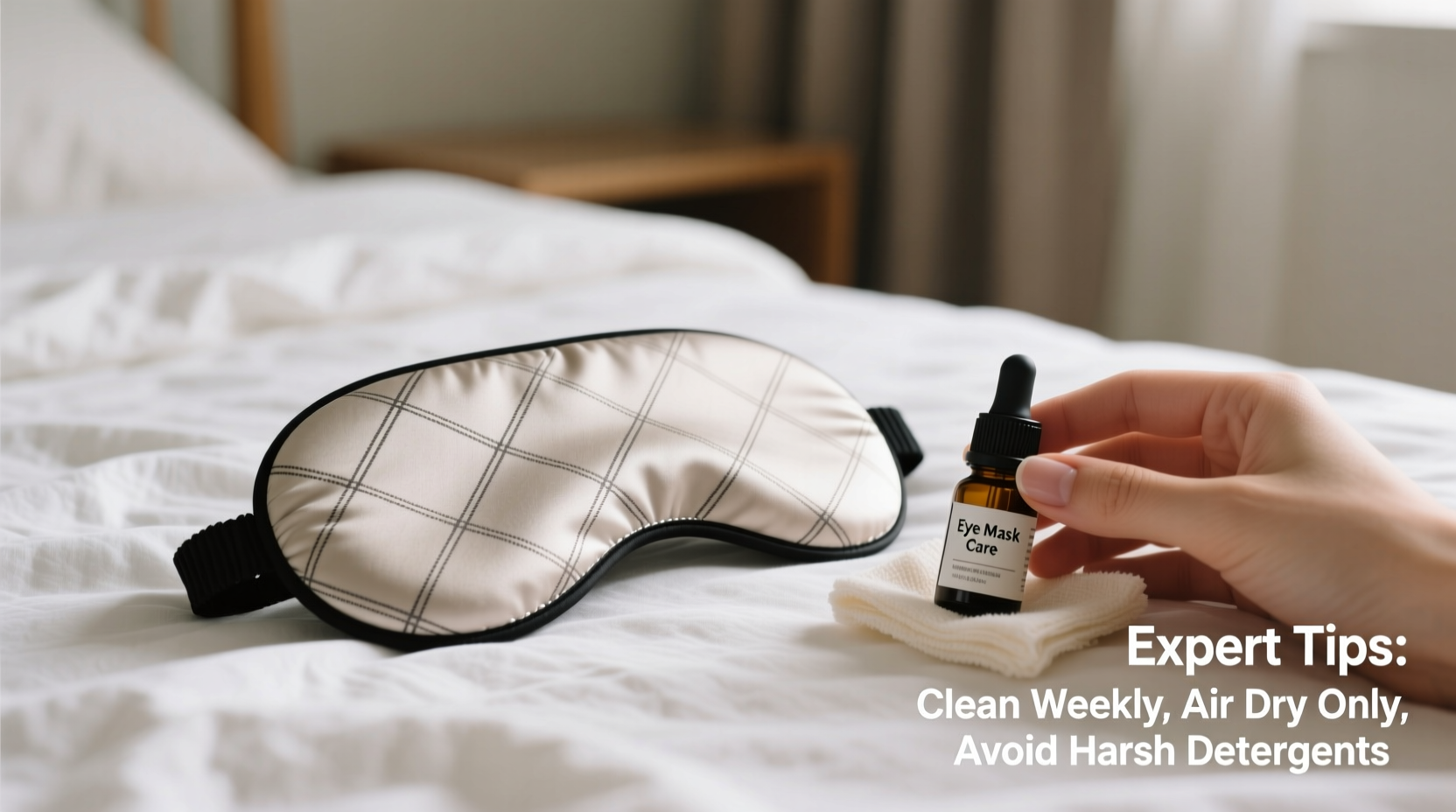
The crossed-line structure of these masks typically features adjustable straps woven in an X-pattern over soft padding or gel inserts. This design reduces direct pressure on the eyeballs while blocking ambient light more effectively than flat models. However, the intersecting bands and layered materials create more surface area for moisture retention and dirt buildup. The constant contact with facial oils and hair products accelerates wear, especially at stress points like strap junctions and nose bridges.
Unlike standard sleep masks, which may have simple elastic bands, crossed-line variants often use multiple attachment points and tension adjustments. These components are prone to loosening or fraying if not handled carefully during cleaning. Additionally, many models include memory foam or cooling gel cores enclosed in removable covers—each requiring different care protocols.
“Crossed-line eye masks offer superior comfort, but their complex construction demands more attentive upkeep. Neglecting small details like strap alignment or inner lining moisture can compromise both hygiene and structural integrity.” — Dr. Lena Patel, Sleep Wellness Consultant
Step-by-Step Cleaning Routine
Maintaining cleanliness is non-negotiable for facial accessories. A nightly ritual isn’t enough; regular deep cleaning prevents bacterial growth and odor retention. Follow this weekly routine to keep your mask fresh and functional:
- Inspect Before Washing: Check for loose stitching, worn elastic, or discoloration. Address minor repairs early to prevent further damage.
- Remove Inner Inserts (if applicable): If your mask has a gel or foam core, take it out before washing. These should never be submerged.
- Hand Wash Gently: Use lukewarm water and a mild, fragrance-free detergent. Submerge the fabric portion only, avoiding hardware and straps. Swirl gently for 2–3 minutes.
- Rinse Thoroughly: Ensure all soap residue is removed, as leftover detergent can irritate sensitive skin around the eyes.
- Air Dry Flat: Lay the mask on a clean towel away from direct sunlight or heat sources. Do not wring or twist—it can warp the padding and weaken elastic.
- Sanitize Straps Separately: Wipe down plastic or silicone adjusters with a damp cloth and diluted rubbing alcohol (70%) to disinfect without corrosion.
Do’s and Don’ts: Maintenance Best Practices
| Do’s | Don’ts |
|---|---|
| Wash every 5–7 nights of use | Soak the entire mask if it contains electronic or gel components |
| Store in a breathable cotton pouch when not in use | Fold or crease the padded section regularly |
| Rotate between two masks to extend lifespan | Use bleach, fabric softener, or harsh stain removers |
| Adjust straps gently to avoid tearing fabric anchors | Leave the mask in humid environments like bathrooms |
| Vacuum storage bags monthly to remove dust | Share your mask without sanitizing first |
Real-Life Example: How Proper Care Prevented Early Replacement
Sarah, a flight attendant based in Vancouver, uses her crossed-line eye mask on nearly every long-haul flight. Initially, she washed it only once a month, storing it loosely in her toiletry bag. Within four months, the padding developed a musty odor, and one strap began slipping due to frayed stitching. After consulting a travel wellness blog, she adopted a strict bi-weekly hand-washing schedule, switched to a ventilated mesh storage case, and started carrying a second mask for rotation. Two years later, both masks remain in excellent condition—soft, odor-free, and fully functional. Her proactive adjustment saved over $80 in replacement costs and ensured reliable comfort during irregular sleep schedules.
Storage Solutions That Preserve Shape and Function
Improper storage is a leading cause of premature wear. Compressing the mask in a suitcase or leaving it crumpled under a pillow distorts the padding and weakens the crossed straps’ tension balance. Instead, adopt one of these storage methods:
- Use a rigid travel case: Small cylindrical containers or padded eyewear cases protect the 3D contour of the mask.
- Hang with care: If storing at home, use a hook or drawer organizer to prevent folding. Avoid hanging by a single strap, which can stretch the material unevenly.
- Keep away from electronics: Devices emitting electromagnetic fields (like phones or tablets) may affect cooling gels or magnetic closures if stored in direct contact.
FAQ: Common Questions About Eye Mask Care
Can I wash a memory foam-lined eye mask?
Only the outer cover should be washed if removable. Never submerge memory foam—spot clean with a damp cloth and mild soap, then air dry completely before reuse. Excess moisture can cause mildew inside the foam core.
How often should I replace my sleep eye mask?
With proper care, a high-quality crossed-line mask lasts 12–18 months. Replace it sooner if you notice persistent odors, flattened padding, broken straps, or allergic reactions after cleaning.
Is it safe to share my eye mask with a partner?
Not recommended. Sharing increases the risk of transferring bacteria, fungi, or allergens. If necessary, sanitize thoroughly with a hypoallergenic wipe and allow 24 hours to dry before the next user.
Final Checklist for Long-Term Mask Health
- Weekly:
- Hand wash and fully dry
- Monthly:
- Inspect stitching and strap integrity
- Clean storage container
- Every 3 Months:
- Deep sanitize adjusters and clips
- Test fit and pressure distribution
- As Needed:
- Repair loose threads immediately
- Replace if padding no longer rebounds
Conclusion: Make Care a Seamless Part of Your Routine
Your sleep eye mask with crossed lines is more than a bedtime accessory—it's a tool for better rest, circadian regulation, and eye health. Treating it with the same diligence as skincare or oral hygiene ensures it performs optimally night after night. By integrating gentle cleaning, smart storage, and vigilant inspection into your self-care habits, you protect both your investment and your well-being. A well-maintained mask supports deeper relaxation, uninterrupted REM cycles, and a consistently comfortable experience. Start today: set a reminder, gather your supplies, and give your mask the attention it deserves.




 浙公网安备
33010002000092号
浙公网安备
33010002000092号 浙B2-20120091-4
Comments
No comments yet. Why don't you start the discussion?