
A spliced patchwork dress is more than just a garment—it’s a wearable art piece. With its intricate mix of fabrics, textures, and patterns, it represents creativity, individuality, and often, significant craftsmanship. But this complexity also demands special care. Unlike solid-color or single-fabric garments, patchwork dresses are vulnerable to uneven wear, color bleeding, seam stress, and fabric distortion if not handled properly. The key to preserving their beauty lies in understanding the unique needs of each fabric segment and adopting a tailored maintenance routine.
Understanding Your Patchwork Dress
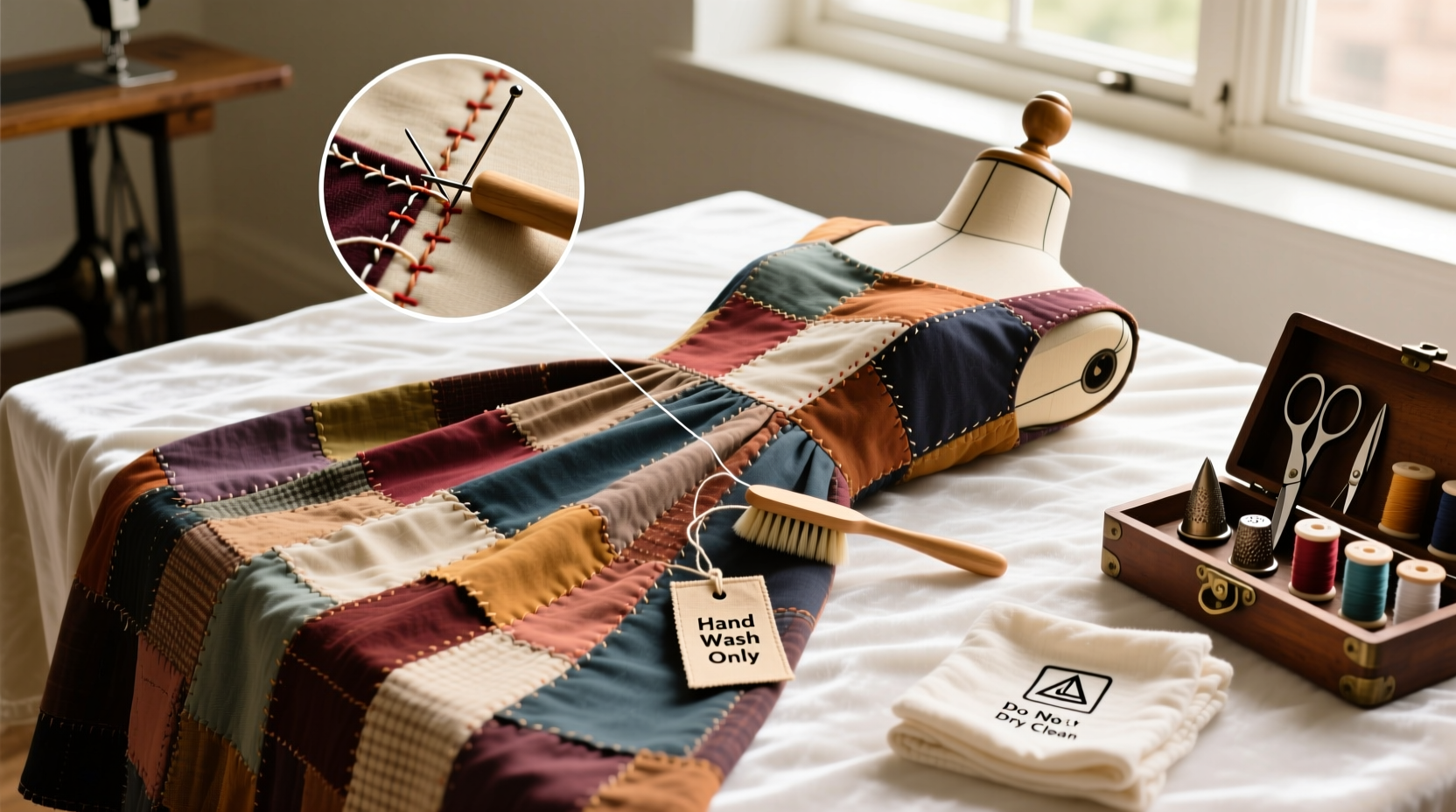
Patchwork dresses are typically constructed from multiple fabric types—cotton, silk, linen, rayon, wool, or even synthetic blends—each with distinct care requirements. Some panels may be delicate, while others are sturdier. The seams where these fabrics meet are high-stress zones, especially during washing or storage. Additionally, dyes can vary in stability across patches, increasing the risk of color transfer when exposed to moisture or friction.
To care effectively, first identify the materials used. Check the garment label, but if it's absent or vague, examine each section individually. A cotton-linen blend behaves differently than silk-rayon, and laundering them together without caution can lead to shrinking, warping, or pilling. Knowing your dress’s composition allows you to make informed decisions about cleaning, drying, and storing.
“Patchwork garments require a hybrid approach to care—what works for one panel might damage another. Always prioritize the most delicate fabric.” — Lila Montoya, Textile Conservation Specialist
Washing Without Damage: A Step-by-Step Guide
Cleaning a patchwork dress isn’t about frequency; it’s about method. Overwashing accelerates wear, especially at seam junctions. Most patchwork dresses only need washing after 3–5 wears, unless visibly soiled or exposed to sweat or spills.
Follow this timeline for safe hand-washing:
- Pre-inspect: Examine seams, hems, and fabric integrity. Look for loose threads or weak stitching.
- Spot test: Dampen an inconspicuous area (like an inner seam) with mild detergent and water. Wait 10 minutes. Check for color loss or texture change.
- Turn inside out: This protects surface prints and reduces abrasion between fabric patches.
- Use lukewarm water and pH-neutral detergent: Avoid bleach, enzymes, or optical brighteners. Woolite or Eucalan are excellent choices.
- Soak gently: Submerge the dress for 3–5 minutes. Swirl lightly—never rub, wring, or twist.
- Rinse thoroughly: Use clean water until suds disappear. Change water 2–3 times if needed.
- Remove excess water: Press the dress between two clean towels. Do not wring.
- Lay flat to dry: Reshape on a drying rack away from direct sunlight or heat.
Drying and Ironing: Preserving Structure and Color
Heat and mechanical stress are the enemies of patchwork integrity. Tumble drying can cause differential shrinkage—where one fabric shrinks more than another—leading to puckering, distortion, or seam rupture. Always air-dry flat on a mesh rack or clean towel, reshaping the garment to its original dimensions.
When ironing, proceed with extreme caution. Different fabrics require different temperatures:
| Fabric Type | Max Iron Temp | Ironing Method |
|---|---|---|
| Cotton | High (200°C) | Steam, right side or with pressing cloth |
| Linen | High (200°C) | Steam, slightly damp |
| Silk | Low (110°C) | Dry iron, inside out, with silk cloth barrier |
| Rayon | Medium (150°C) | Low steam, pressing cloth required |
| Wool | Medium (160°C) | Steam, avoid direct contact |
Set your iron to the lowest common denominator—usually the temperature suitable for the most delicate fabric. Test on a hidden seam first. Use a pressing cloth to prevent shine or scorching.
Storage Solutions That Prevent Wear
How you store your patchwork dress impacts its longevity more than you might think. Folding can create permanent creases, especially along seams where fabric tension varies. Hanging may stretch shoulder seams or distort asymmetrical cuts.
The ideal solution depends on construction:
- Lightweight cotton or linen patchwork: Fold neatly and store in a breathable cotton bag or drawer with acid-free tissue paper between folds.
- Heavy or structured designs: Use a padded hanger to support the shoulders. Cover with a muslin garment bag to block dust and light.
- Silk or velvet segments: Store flat in a cedar-lined chest to deter moths and reduce humidity exposure.
Real Example: Restoring a Vintage Patchwork Dress
Maria, a vintage fashion collector, inherited a 1970s bohemian patchwork dress made from 14 different cotton prints. After decades in plastic dry-cleaning bags, the colors had faded unevenly, and the seams were brittle. She consulted a textile conservator who advised removing the plastic (which trapped moisture), hand-washing in cool water with Orvus paste (a museum-grade cleaner), and re-storing the dress folded in acid-free tissue inside a breathable cotton box. Within months, the fabric regained softness, and further deterioration halted. Her experience underscores how improper storage can silently degrade even unworn garments.
Essential Care Checklist
Use this checklist monthly to maintain your patchwork dress:
- ✅ Inspect seams and hems for fraying or loose stitches
- ✅ Test for colorfastness before any cleaning
- ✅ Hand-wash only with mild detergent when necessary
- ✅ Lay flat to dry, away from sunlight
- ✅ Iron at the lowest safe temperature using a pressing cloth
- ✅ Store folded or on a padded hanger, never in plastic
- ✅ Refresh between wears with a cool steamer to remove odors
- ✅ Address stains immediately with spot cleaning
Frequently Asked Questions
Can I machine dry my patchwork dress if I use a no-heat setting?
No. Even without heat, tumbling creates friction and agitation that can weaken seams and distort fabric alignment. Air-drying is the only safe method.
What should I do if one patch starts to fray?
Stop further unraveling by applying a small amount of fray check solution or clear nail polish to the edge. For structural seams, consult a tailor for reinforcement stitching.
Is it safe to steam a patchwork dress?
Yes, but with caution. Use a handheld steamer on low, hold it 6 inches from the fabric, and avoid lingering over seams. Steaming helps relax wrinkles without pressure, making it safer than ironing for mixed textiles.
Final Thoughts: Treat It Like Art, Not Just Apparel
Your spliced patchwork dress deserves more than routine laundry care—it warrants mindful attention at every stage. From the moment you take it off to the way you fold it away, each action influences its lifespan. By treating it like a curated piece of textile art, you honor both the maker’s intent and your own investment in sustainable, expressive fashion.




 浙公网安备
33010002000092号
浙公网安备
33010002000092号 浙B2-20120091-4
Comments
No comments yet. Why don't you start the discussion?