
A well-tailored wool or tweed jacket set is a cornerstone of timeless style. Whether worn for business, formal events, or seasonal layering, these garments represent both craftsmanship and investment. However, their natural fibers demand thoughtful care to maintain shape, texture, and longevity. Unlike synthetic materials, wool and tweed respond sensitively to moisture, heat, and friction. Without proper maintenance, they can pill, shrink, or lose their structure. The good news: with the right habits, your jacket set can last decades, aging gracefully like fine leather or heirloom textiles.
Understanding Wool and Tweed: Fiber Fundamentals
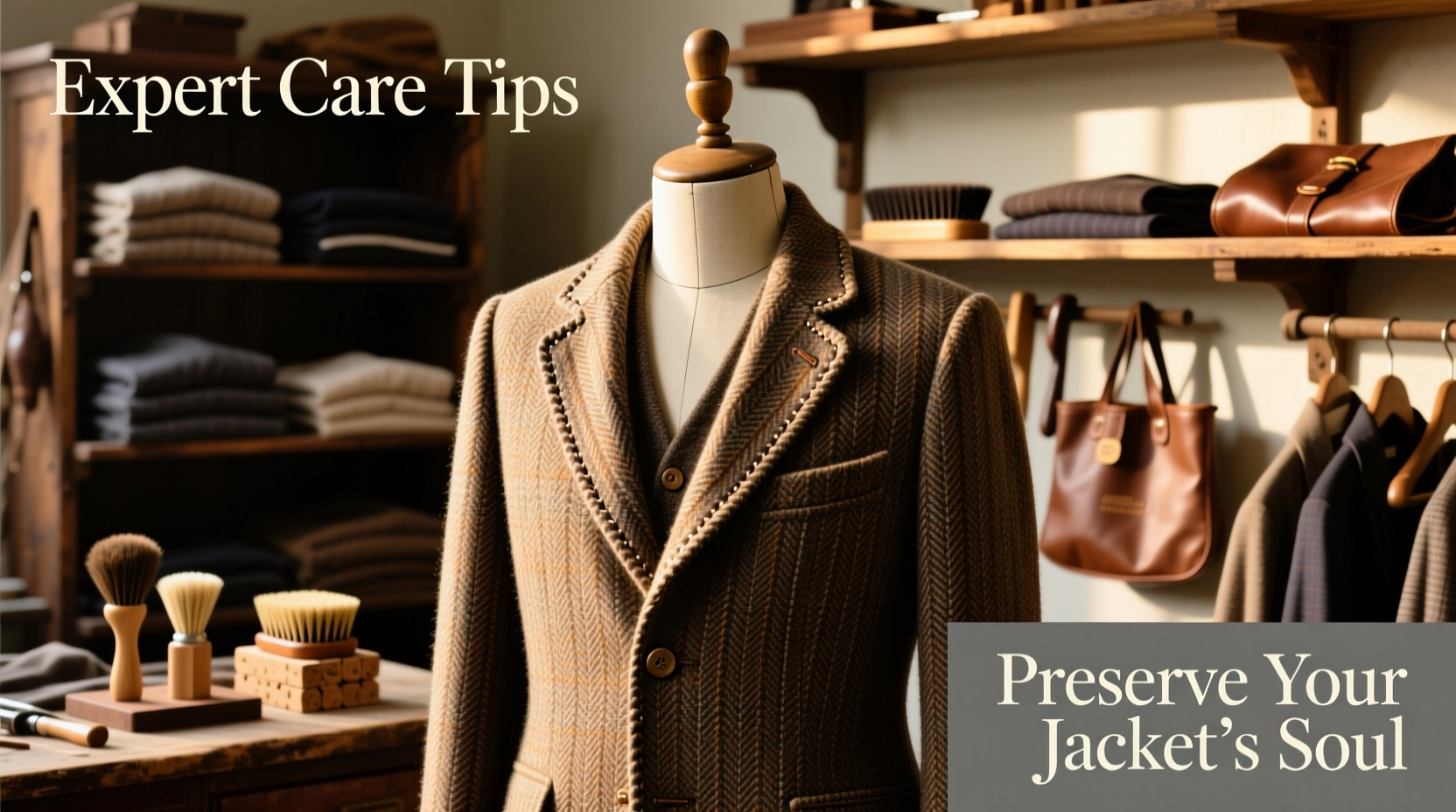
Wool and tweed are often grouped together, but they differ in composition and handling. Wool refers to the general category of fiber sheared from sheep, known for its breathability, insulation, and natural elasticity. High-quality worsted wool is tightly woven, smooth, and ideal for structured suits. Tweed, on the other hand, is typically a wool-rich fabric (sometimes blended with mohair or silk) woven in a rougher, open pattern—often herringbone, houndstooth, or check. It’s designed for durability and weather resistance, making it a favorite for outerwear and country attire.
Both fabrics benefit from similar care principles, but tweed’s textured weave traps more dust and lint, while fine wool is more prone to water spotting and shine from over-wearing. Recognizing these differences helps tailor your maintenance approach.
“Natural fibers like wool breathe, absorb moisture, and recover from wrinkles—but only if treated with respect. Neglect leads to irreversible damage.” — Daniel Reeves, Textile Conservator at The London Garment Archive
Essential Daily and Weekly Care Practices
Maintenance begins the moment you take off your jacket. Immediate post-wear actions prevent long-term wear issues such as creasing, odor buildup, and fiber fatigue.
Avoid leaving your jacket bunched on a chair or crammed in a closet. Instead, rotate between two jackets if worn frequently—this gives fibers time to recover. For daily upkeep:
- Brush regularly: Use a soft clothes brush (preferably horsehair) to remove surface dust, pollen, and lint. Brush in the direction of the nap, especially on tweed.
- Air out: Hang the jacket in a well-ventilated room overnight once a week to neutralize odors without washing.
- Spot clean gently: If spills occur, blot—don’t rub—with a clean, dry cloth. For water-based stains, allow to air dry naturally before brushing.
Never use household cleaners or wipes on wool; their chemicals degrade protein fibers and strip natural lanolin, which protects against moisture.
Step-by-Step Guide to Proper Storage
Improper storage is the leading cause of moth damage, misshaping, and discoloration. Follow this sequence to store your jacket set correctly during off-seasons or extended periods of non-use.
- Clean before storing: Never store a wool garment that hasn’t been cleaned. Residual sweat and oils attract moths.
- Use breathable garment bags: Avoid plastic covers. Opt for cotton or canvas suit bags that allow airflow.
- Fill the space: Place tissue paper inside pockets and sleeves to prevent sagging. Do not overstuff.
- Add natural repellents: Cedar blocks or lavender sachets deter moths without harsh chemicals. Replace annually.
- Store in a cool, dark place: Closets away from sunlight and heating vents preserve color and fiber integrity.
Do’s and Don’ts: A Quick Reference Table
| Action | Do | Don't |
|---|---|---|
| Cleaning | Dry clean sparingly (once or twice a year); spot clean otherwise | Frequent dry cleaning—it degrades fibers over time |
| Ironing | Use low heat with a pressing cloth; steam lightly | Direct iron contact or high heat—can scorch wool |
| Stain Removal | Blot with cold water; consult a professional for oil stains | Rub aggressively or apply bleach/alcohol-based solutions |
| Hanging | Use wide, contoured wooden hangers | Wire hangers—they distort shoulders |
| Storage | Breathable cotton bag with cedar blocks | Plastic bins or vacuum-sealed bags—traps moisture |
Real Example: Reviving a Vintage Tweed Blazer
Thomas, a vintage fashion collector in Edinburgh, inherited his grandfather’s 1950s Harris Tweed blazer. Stored in a plastic bag under a bed for 20 years, it emerged with musty odor, visible moth nibbles, and flattened lapels. He followed a careful restoration process: first, he aired it outside for two hours (not in direct sun), then brushed it thoroughly with a horsehair brush. He took it to a specialist dry cleaner familiar with heritage woolens, who used gentle solvents and reconditioned the fabric. After cleaning, he lined the inside with breathable cotton and stored it in a cedar-lined wardrobe. Today, the jacket is worn seasonally and remains structurally sound—proof that even neglected wool can recover with expert intervention.
Professional Cleaning: When and How
Dry cleaning should be an occasional necessity, not a routine. Over-cleaning removes natural oils and weakens yarns. As a rule, clean your wool or tweed jacket set only when visibly soiled, stained, or after heavy seasonal use—typically once per year for regular wear, twice for frequent use.
Choose a cleaner experienced with natural fibers. Ask if they use silicone-based solvents (preferred for wool) rather than aggressive petroleum distillates. Insist on hand-pressing instead of machine compression, which flattens the fabric. For minor collar or cuff grime, consider a “spot-only” service to minimize full exposure to chemicals.
FAQ: Common Concerns About Wool and Tweed Jackets
Can I wash my wool jacket at home?
Hand-washing is risky and generally not recommended. Most tailored jackets have fused interlinings that delaminate when wet. If absolutely necessary, use cold water and wool-safe detergent, but lay flat to dry—never wring or hang. Better yet, consult a professional.
How do I deal with pilling?
Pilling is normal, especially on high-friction areas like underarms and cuffs. Use a fabric shaver or sweater stone gently. Prevent excessive pilling by rotating jackets and avoiding backpacks or seat belts over the fabric.
Are wool jackets suitable for rain?
Wool resists light moisture due to its natural lanolin, but prolonged exposure causes water spots and felting. Tweed fares better thanks to its dense weave and traditional wax finish. Still, avoid heavy rain. If wet, hang to dry naturally—away from radiators—and brush once fully dry.
Checklist: Monthly Maintenance Routine
- ✔ Brush jacket with horsehair clothes brush
- ✔ Inspect for moths, stains, or loose buttons
- ✔ Air out in shaded, ventilated area for 2–3 hours
- ✔ Rotate hangers to prevent shoulder dimples
- ✔ Check storage conditions (humidity, light, pests)
- ✔ Tighten any loose buttons using waxed thread
“A jacket cared for monthly lasts three times longer than one cleaned only when dirty.” — Clara Montague, Bespoke Tailor & Textile Educator
Conclusion: Honor the Craft, Extend the Life
Your wool or tweed jacket set was made to endure—not just through seasons, but through generations of style. Its value isn’t only in appearance, but in the craftsmanship woven into every thread. By adopting disciplined, informed care habits, you honor that craft and ensure your investment remains sharp, comfortable, and elegant for years to come. From proper brushing to mindful storage, each small action compounds into lasting results.




 浙公网安备
33010002000092号
浙公网安备
33010002000092号 浙B2-20120091-4
Comments
No comments yet. Why don't you start the discussion?