
Hollowed ear cuffs have become a staple in modern jewelry collections, admired for their minimalist elegance and versatility. Unlike traditional earrings, these cuffs wrap partially around the ear without requiring a piercing, making them both stylish and accessible. However, their delicate structure makes them prone to deformation over time. Without proper care, they can lose their original curvature, leading to poor fit and diminished aesthetic appeal. Maintaining and restoring their shape requires more than occasional wear—it demands informed handling, consistent maintenance, and the right tools. This guide delivers expert-backed strategies to preserve the integrity of your ear cuffs and revive those that have begun to sag or twist.
Understanding Hollowed Ear Cuff Construction
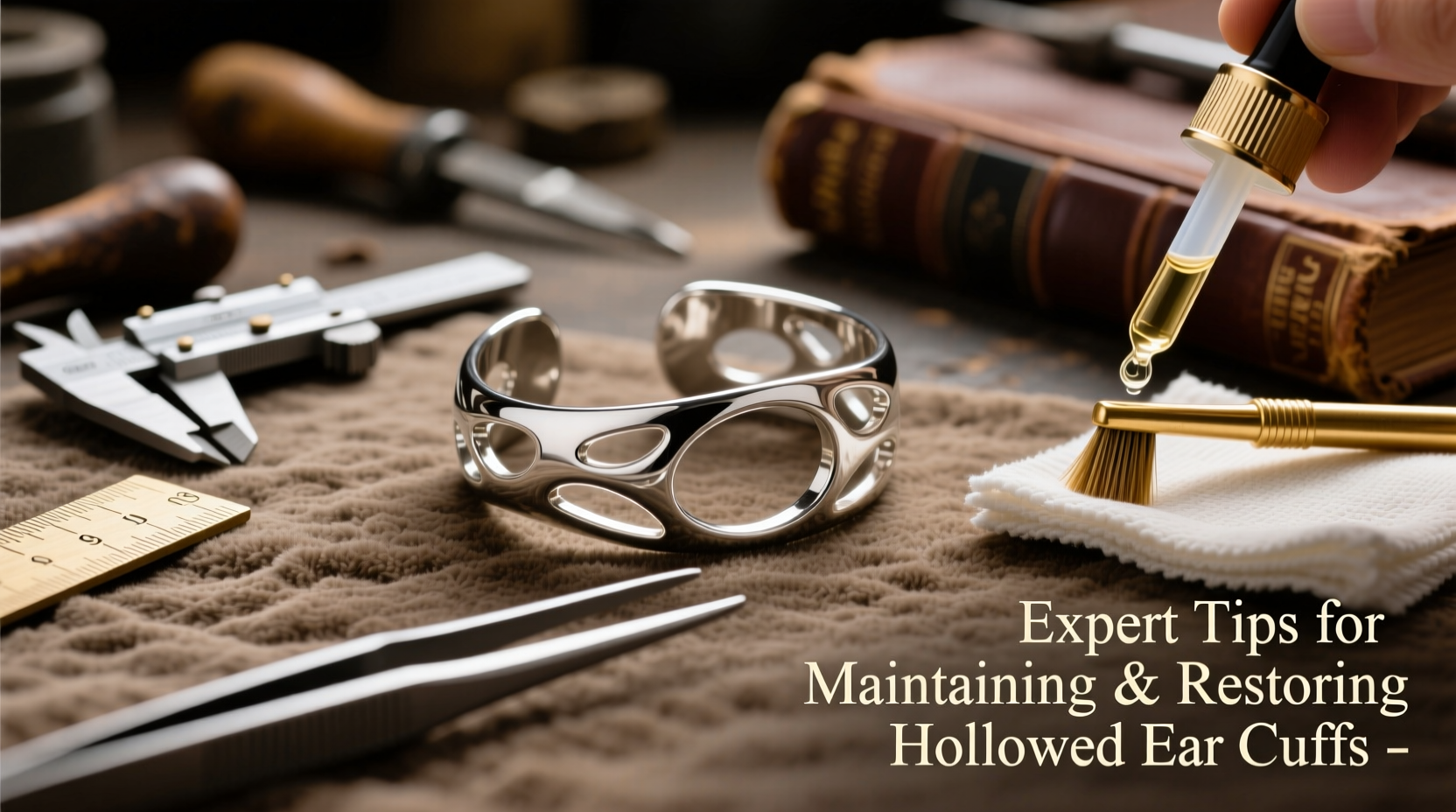
Hollowed ear cuffs are typically crafted from thin metal—such as sterling silver, gold-filled, or titanium—that is shaped into a semi-circular or spiral form designed to grip the cartilage. The \"hollowed\" aspect refers to the open interior space beneath the metal band, which reduces weight while maintaining structural presence. Because they rely on precise tension and curvature to stay in place, even minor distortions can compromise function.
The most common causes of misshaping include improper removal, storage friction, exposure to pressure (e.g., sleeping with them in), and contact with hard surfaces. Over time, repeated stress weakens the metal’s memory, especially in lower-gauge alloys. Understanding this construction helps inform better care practices and enables targeted restoration when needed.
“Ear cuffs are engineered for subtle tension. Once that balance is disrupted by bending or compression, they won’t sit right—even if the damage isn’t visible.” — Lena Torres, Jewelry Artisan & Metalsmith
Preventative Maintenance: Daily Care Best Practices
Preserving the shape of your ear cuffs begins with mindful daily use. Simple habits can significantly extend their lifespan and prevent the need for corrective measures later.
- Handle with clean, dry hands: Oils and moisture from skin can accelerate tarnishing and weaken metal joints over time.
- Avoid wearing during physical activity: Exercise, sports, or even vigorous hair styling increase the risk of accidental bending.
- Limit exposure to chemicals: Perfumes, hairsprays, and lotions contain agents that corrode metals and degrade plating.
- Rotate usage: Wearing the same pair daily increases fatigue on the metal. Rotate between multiple cuffs to allow each piece to “rest” its tension.
Storage Solutions That Preserve Shape
Improper storage is one of the top culprits behind deformed ear cuffs. Tossing them into a drawer or mixed jewelry box leads to collisions with harder items, causing micro-bends that accumulate over time.
| Storage Method | Effectiveness | Notes |
|---|---|---|
| Dedicated earring stand with hooks | ★★★★★ | Keeps cuffs suspended in shape; ideal for frequent-use pairs |
| Soft fabric-lined compartment box | ★★★★☆ | Prevents scratches; ensure compartments are snug to limit movement |
| Zippered pouch (individual) | ★★★☆☆ | Better than loose storage but may allow shifting under pressure |
| Mixed jewelry tray | ★☆☆☆☆ | High risk of deformation; avoid unless separated by padding |
Step-by-Step Guide to Restoring a Bent Ear Cuff
If your ear cuff no longer hugs the ear correctly, it may be salvageable. Follow this careful restoration process to regain its original form without damaging the metal.
- Assess the Damage: Hold the cuff up to light and compare its curve to a matching pair or product photo. Identify whether the bend is inward (pinched) or outward (splayed).
- Clean the Surface: Use a microfiber cloth dampened with mild soapy water to remove oils and debris. Dry thoroughly before handling.
- Use a Mandrel or Shaping Tool: A tapered dowel, knitting needle, or specialized jewelry mandrel can act as a shaping guide. Select a diameter close to your ear’s cartilage thickness.
- Apply Gentle Pressure: Slide the cuff onto the mandrel at the point opposite the opening. Slowly roll the cuff along the tool, applying even pressure to reshape the curve. Do not force it—work incrementally.
- Test the Fit: Remove and try on the cuff. If still loose or tight, repeat the rolling motion with slight adjustments.
- Final Polish: Buff lightly with a polishing cloth to restore shine and check for stress marks.
When Restoration Isn’t Enough: Knowing Your Limits
Not all deformations can be reversed. Metal fatigue, kinking, or cracks near the opening indicate structural compromise. In such cases, continued manipulation may worsen the damage. If the cuff feels brittle, produces a clicking sound when bent, or fails to hold shape after multiple attempts, professional repair or replacement is advisable.
Some jewelers offer reshaping services for precious metal cuffs, particularly for high-end or custom pieces. Contact the manufacturer or a reputable local artisan to assess feasibility. For fashion-grade alloys, investing in a new pair may be more cost-effective than repair.
Mini Case Study: Reviving a Heirloom Silver Cuff
Sophia inherited a handcrafted sterling silver ear cuff from her grandmother. After years in a cluttered jewelry box, the cuff had flattened and no longer stayed in place. She followed the mandrel method using a 6mm steel rod, gently rolling the cuff over two sessions spaced 24 hours apart. By working slowly and testing fit frequently, she restored the original contour. A final polish brought back its luster, and she now stores it on a velvet display stand. “It fits perfectly again,” she said. “I feel connected to my grandmother every time I wear it.”
Essential Checklist for Long-Term Ear Cuff Care
To keep your hollowed ear cuffs looking and functioning their best, follow this actionable checklist:
- ☑ Clean after every 3–5 wears with a soft cloth
- ☑ Store individually in a padded or hanging organizer
- ☑ Avoid wearing while sleeping, showering, or swimming
- ☑ Inspect monthly for signs of bending or metal fatigue
- ☑ Use a mandrel or shaping tool at first sign of loosening
- ☑ Rotate styles to reduce strain on any single piece
- ☑ Keep away from direct sunlight and humidity
Frequently Asked Questions
Can I resize an ear cuff permanently?
Permanent resizing is not recommended for hollowed cuffs. Their design depends on precise tension. While minor adjustments are possible, significant alterations risk breaking the metal or eliminating spring-back ability. Consult a jeweler for custom fitting options.
Why does my ear cuff keep slipping off?
Slippage usually indicates loss of curvature or reduced tension. It may also result from wearing the wrong size for your ear anatomy. Try reshaping using a mandrel. If unsuccessful, consider purchasing a cuff with adjustable tension or silicone grips.
Are gold-plated ear cuffs harder to maintain?
Yes. Gold-plated cuffs require extra caution because aggressive polishing or chemical exposure can wear through the plating, exposing base metal. Use only non-abrasive cloths and avoid ultrasonic cleaners.
Conclusion
Maintaining the shape of hollowed ear cuffs is a blend of gentle handling, smart storage, and timely intervention. These small accessories rely on precision engineering, and their longevity reflects how thoughtfully they’re treated. With regular inspection, proper tools, and a patient approach to restoration, you can enjoy a perfect fit and elegant look for years. Whether you own a single statement cuff or a curated collection, investing a few minutes in care preserves both beauty and function.




 浙公网安备
33010002000092号
浙公网安备
33010002000092号 浙B2-20120091-4
Comments
No comments yet. Why don't you start the discussion?