
Vintage MKF leather bags carry a legacy of craftsmanship, timeless design, and personal history. Whether passed down through generations or discovered in an antique shop, these pieces deserve more than casual upkeep—they require informed, deliberate care. Over time, leather ages: it dries, fades, and may develop surface cracks or stains. But with the right knowledge and routine, you can not only preserve its current condition but also restore its original luster. This guide delivers practical, field-tested advice to help you protect and rejuvenate your cherished accessory.
Understanding Vintage Leather and MKF Craftsmanship
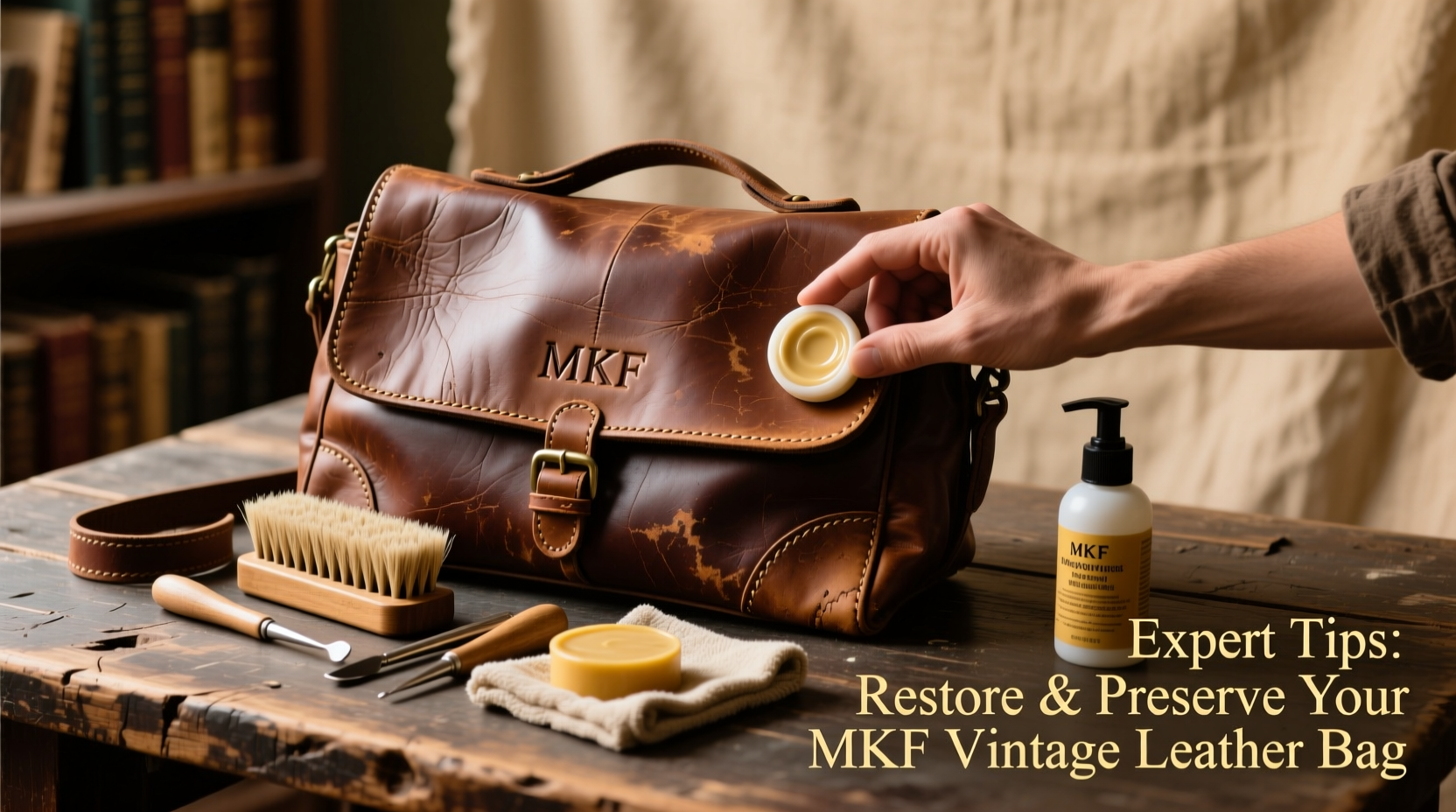
MKF, while not as widely documented as some luxury brands, is recognized among collectors for its structured silhouettes, durable stitching, and use of full-grain or corrected-grain leathers during the mid-20th century. Unlike modern synthetic materials, vintage leather breathes, reacts to moisture, and develops a patina—a natural sheen that forms over years of handling. This patina is often prized, but it must be distinguished from damage like dryness, mold, or deep scratches.
Before any restoration begins, assess the type of leather. Most vintage MKF bags use one of three types:
- Aniline: Soft, untreated, shows natural grain—but highly sensitive to light and moisture.
- Semi-aniline: Slightly protected with a light coating; balances authenticity and durability.
- Protected (pigmented): Coated with a polymer layer, making it more resistant to wear and fading.
Identifying the finish helps determine which cleaning agents and conditioners are safe. A simple water drop test (place a single drop on a hidden area) can reveal porosity: if absorbed quickly, it’s likely aniline; if beads up, it’s coated.
“Leather is organic. Treat it like skin—hydrate it, shield it from extremes, and never rush the repair process.” — Daniel Reyes, Conservator at The Textile & Leather Archive, London
Daily Maintenance: Preventative Care That Lasts
The best restoration strategy starts with consistent maintenance. Many vintage bags deteriorate not from age, but from neglect. Simple daily habits significantly slow degradation.
After each use, gently wipe the surface with a dry, lint-free microfiber cloth to remove dust and oils. Avoid exposing the bag to direct sunlight for more than 30 minutes at a time, as UV rays accelerate fading and embrittlement. Humidity is equally damaging: ideal storage conditions are between 45–55% relative humidity and 18–22°C (64–72°F).
Rotate usage when possible. Even vintage pieces meant for display benefit from occasional airing. If carried regularly, limit load weight to prevent stress on handles and seams.
Do’s and Don’ts of Daily Handling
| Do’s | Don’ts |
|---|---|
| Wipe with dry microfiber after use | Use household cleaners like Windex or vinegar |
| Store in breathable cotton dust bag | Keep in plastic bags (traps moisture) |
| Condition every 4–6 months | Apply oil-based products too frequently |
| Check stitching quarterly | Expose to rain or snow without immediate drying |
Step-by-Step Guide to Deep Cleaning and Restoration
When a vintage MKF bag shows signs of grime, discoloration, or stiffness, a careful deep clean can work wonders. This process should be approached methodically—rushing risks irreversible damage.
- Empty and inspect: Remove all contents and check for loose stitching, metal corrosion, or insect traces. Pay close attention to interior lining seams.
- Dry brushing: Use a soft-bristled horsehair brush to lift surface dust. Brush in the direction of the grain to avoid scratching.
- Spot test: On a discreet area (e.g., inside flap), apply a small amount of pH-balanced leather cleaner. Wait 10 minutes. Check for discoloration or texture change.
- Clean gently: Dampen a microfiber cloth (not wet) with the approved cleaner. Wipe in small circular motions, focusing on high-touch areas like handles and corners.
- Dry naturally: Place the bag in a well-ventilated room away from heaters or fans. Allow 12–24 hours to air dry completely.
- Condition: Apply a thin layer of leather conditioner (lanolin-based works well for vintage pieces) using a clean cloth. Let absorb for 2 hours, then buff lightly.
- Restore color (if needed):strong> For faded areas, use a leather recoloring balm matched to the original shade. Apply sparingly with a sponge applicator.
Real Example: Reviving a 1960s MKF Satchel
A collector in Edinburgh acquired a 1967 MKF satchel from a flea market. The bag had stiffened leather, darkened edges, and a sticky zipper pull. Initial inspection revealed no structural tears, but the base showed mild mold spots from prior damp storage.
Following the step-by-step protocol, the owner began with dry brushing, then used a 1:10 solution of distilled water and mild saddle soap on a cloth to address mold. After 24 hours of drying near passive airflow, a lanolin-rich conditioner was applied. Two weeks later, a walnut-toned recoloring cream restored the shoulder strap’s faded ends. The zipper was treated with a silicone-free lubricant. In total, the restoration took three weeks with intermittent conditioning, but the bag regained flexibility, shine, and usability—now displayed in a climate-controlled cabinet when not in use.
Essential Restoration Checklist
Use this checklist before beginning any restoration project:
- ☐ Inspect for mold, insect damage, or delamination
- ☐ Identify leather type (aniline, semi-aniline, pigmented)
- ☐ Spot test all cleaning and conditioning products
- ☐ Clean hardware separately with non-abrasive polish
- ☐ Condition leather only when fully dry
- ☐ Store properly post-restoration (see below)
Long-Term Storage: Preserving Value and Integrity
How you store your vintage MKF bag determines whether it ages gracefully or deteriorates prematurely. Long-term storage isn’t passive—it’s active preservation.
First, stuff the bag with acid-free tissue paper to support its structure without causing pressure points. Never use newspaper; ink can transfer and acidity degrades leather over time. Wrap the entire piece in unbleached muslin or a cotton pillowcase—never plastic.
Choose a closet interior away from exterior walls (which may harbor moisture) and off the floor. Include silica gel packs nearby to regulate humidity, replacing them quarterly. For added protection, place the bag inside a wooden chest lined with archival paper, avoiding cedar (its oils can affect finishes).
“Proper storage is the silent hero of vintage fashion preservation. It costs little but prevents decades of damage.” — Dr. Lena Petrova, Textile Conservation Research Fellow, Vienna
Frequently Asked Questions
Can I use coconut oil to soften a dry vintage leather bag?
No. While natural, coconut oil oxidizes over time, turning rancid and attracting dust. It can also darken leather unevenly. Use a professional leather conditioner with stable emollients like lanolin or jojoba oil instead.
What should I do if my bag gets wet?
Blot immediately with a dry cloth. Loosen straps and allow it to air dry at room temperature for 24–48 hours. Do not use a hairdryer or heater. Once dry, condition lightly to replace lost moisture.
Is it safe to clean the interior lining?
Yes, but carefully. Cotton or polyester linings can be dabbed with a slightly damp cloth and mild detergent. Silk linings require dry cleaning by a specialist. Always avoid oversaturation.
Final Thoughts: Honor the Craft, Extend the Legacy
Your vintage MKF leather bag is more than an accessory—it’s a piece of design history. Every crease, every subtle shift in tone tells a story. By treating it with informed care, you’re not just preserving an object; you’re sustaining craftsmanship that may no longer exist in today’s mass-produced market.
Start today: inspect your bag, clean it mindfully, and store it with intention. Small actions compound into lasting preservation. Whether you wear it weekly or display it proudly, your diligence ensures it remains beautiful for decades to come.




 浙公网安备
33010002000092号
浙公网安备
33010002000092号 浙B2-20120091-4
Comments
No comments yet. Why don't you start the discussion?