
Woven tweed jackets are more than just outerwear—they’re enduring symbols of craftsmanship, heritage, and sartorial elegance. Whether inherited from a relative or carefully selected for your wardrobe, a well-maintained tweed jacket can last decades. Yet, its longevity depends not on luck but on consistent, informed care. Unlike synthetic fabrics, tweed is a natural wool-based textile that responds sensitively to moisture, heat, and friction. Without proper maintenance, it can lose its texture, fade in color, or develop unsightly pilling and odors. This guide delivers expert-backed strategies to preserve the integrity of your tweed while enhancing its visual appeal season after season.
Understanding Tweed: Why It Needs Special Care
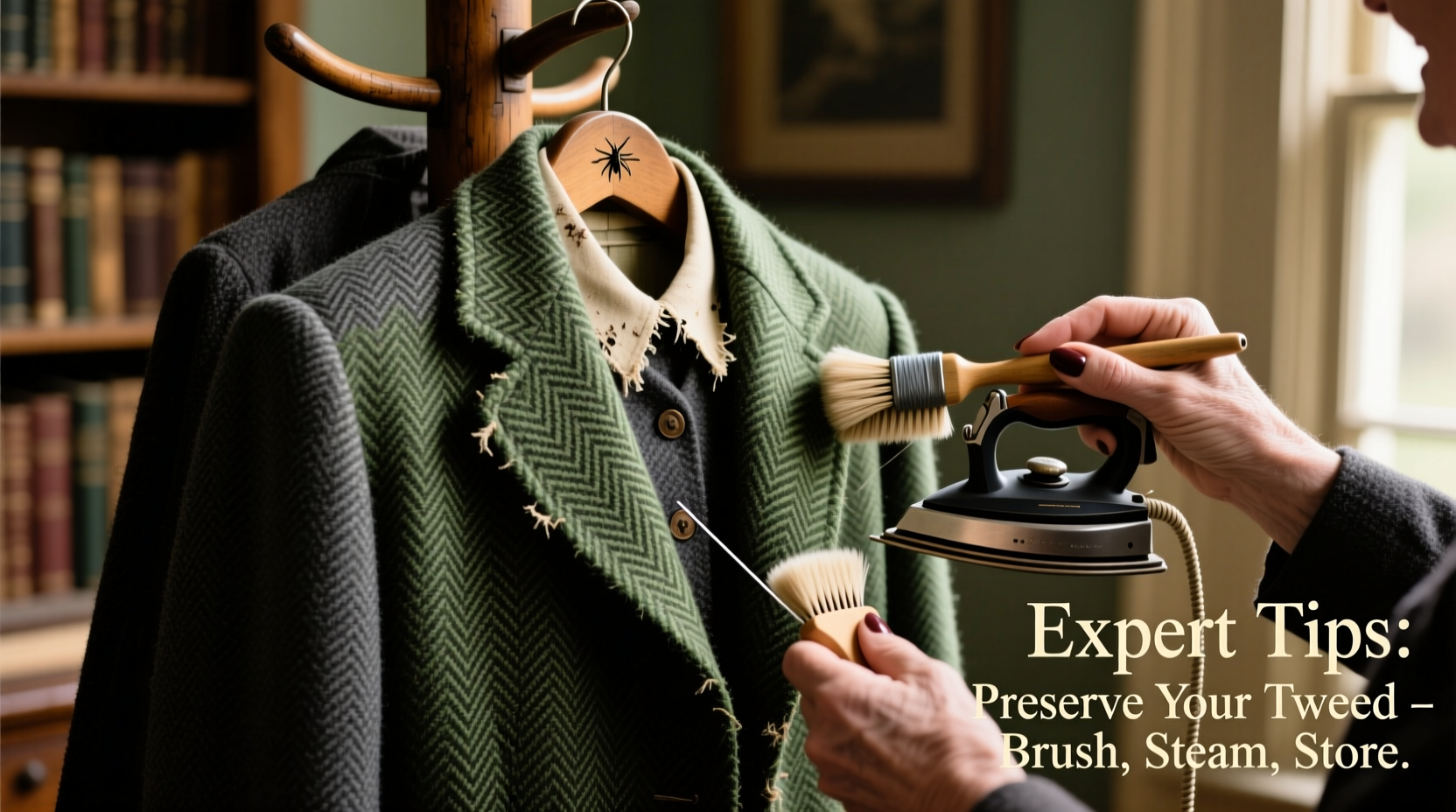
Tweed is traditionally made from tightly woven wool, often dyed before spinning (a process known as “tessitura”) to achieve its signature heathered appearance. Its dense structure provides warmth and durability, but also makes it prone to absorbing moisture and retaining odors if stored improperly. The wool fibers are delicate under excessive heat or agitation, which means standard washing methods can lead to shrinkage or distortion.
Additionally, tweed's textured surface—created through herringbone, check, or houndstooth patterns—is susceptible to flattening over time, especially at stress points like elbows and shoulders. Recognizing these characteristics is the first step toward preserving both function and form.
“Tweed isn’t just fabric—it’s a living textile. It breathes, reacts to humidity, and ages with character. Treat it with respect, and it rewards you with decades of wear.” — Fiona MacLeod, Textile Conservator at the Scottish Wool Trust
Daily Maintenance: Simple Habits That Make a Difference
Preserving tweed begins long before deep cleaning. Daily habits prevent cumulative damage that accelerates aging. The goal is to minimize exposure to elements that degrade wool while maintaining shape and freshness.
Airing removes absorbed moisture and neutralizes odors naturally. Avoid plastic garment bags; they trap humidity and encourage mildew. Instead, use breathable cotton garment covers. Brushing once a week with a clothes brush featuring soft bristles lifts dust and realigns fibers without damaging the weave.
Rotate your tweed jackets if you own multiple. Continuous wear fatigues the fabric, particularly around the collar and cuffs. By alternating use, you allow the fibers time to recover their resilience.
Essential Daily & Weekly Checklist
- Hang immediately after wearing on a proper hanger
- Allow 12–24 hours of airing between uses
- Brush gently with a soft-bristle clothes brush weekly
- Spot-clean spills promptly with a damp cloth
- Store in a cool, dry, ventilated space
Deep Cleaning: When and How to Wash Tweed Safely
Never machine-wash a tweed jacket unless explicitly labeled as washable. Most are not. Dry cleaning too frequently strips natural oils from wool, leading to brittleness. Experts recommend professional dry cleaning only once every 12 to 18 months, or when visibly soiled.
For light refreshment between cleanings, consider steam treatment. A handheld garment steamer held 6 inches from the fabric revives the nap and removes wrinkles without direct contact. Do not rub or press the steamer against the material.
If spot-cleaning at home, use a microfiber cloth dampened with cold water and a drop of pH-neutral wool detergent. Blot—not scrub—the affected area gently. Always test on an inconspicuous seam first. Lay flat to dry away from radiators or sunlight.
Step-by-Step: Restoring a Neglected Tweed Jacket
- Assessment: Inspect for moth damage, stains, odor, or misshapen areas.
- Dry Clean: Take to a specialist familiar with vintage woolens.
- Repair: Address loose buttons, frayed hems, or lining tears.
- Steam: Use professional-grade steaming to revive texture and drape.
- Condition: Apply a wool-safe fabric conditioner spray to restore softness.
- Store Properly: Place in a breathable garment bag with cedar blocks.
Avoid These Common Mistakes
Even well-intentioned owners inadvertently harm tweed through routine errors. Awareness prevents irreversible damage.
| Mistake | Why It’s Harmful | Better Alternative |
|---|---|---|
| Using a lint roller aggressively | Pulls fibers, damages weave, causes pilling | Use a soft clothes brush or velour roller |
| Storing in plastic bins or bags | Traps moisture, promotes mildew and moths | Cotton garment bags with cedar or lavender sachets |
| Ironing directly on tweed | Flattens texture, risks scorching wool | Use steam from a distance or press with a cloth barrier |
| Wearing in heavy rain | Wool swells when wet, becomes heavy and misshapen | Wear a waterproof topcoat; blot immediately if damp |
Real Example: Reviving a Vintage Harris Tweed
James, a collector in Edinburgh, inherited a 1950s Harris Tweed jacket from his grandfather. Stored in a plastic bin for years, it emerged with musty odor, faded shoulders, and visible moth nibbling near the hem. He avoided washing it himself and instead consulted a local tailor specializing in heritage garments.
The jacket underwent a low-solvent dry cleaning process, followed by careful mending of damaged areas using matching tweed patches. The tailor then steamed the fabric to lift the nap and reconditioned it with lanolin-infused spray. After restoration, James began rotating the jacket seasonally and storing it in a breathable canvas cover with cedar blocks. Today, the jacket remains a centerpiece of his wardrobe—over 70 years old and still worn regularly.
Frequently Asked Questions
Can I repair moth holes in my tweed jacket?
Yes, depending on severity. Small holes can be patched from the inside with matching tweed fabric. Larger damage may require reweaving by a skilled restorer. Prevention—using natural repellents like cedar and lavender—is far more effective than repair.
How do I know if my tweed needs reproofing?
Tweed naturally repels light moisture, but this diminishes over time. If water no longer beads on the surface or the fabric darkens easily when damp, it may benefit from a wool-safe waterproofing spray. Test on an interior seam first.
Is it safe to store tweed in vacuum-sealed bags?
No. Vacuum sealing compresses the fibers and disrupts the fabric’s natural loft. It also creates a sealed environment where residual moisture can foster mold. Always opt for breathable storage solutions.
Final Thoughts: Invest in Longevity, Not Replacement
A fine woven tweed jacket represents an investment in quality, tradition, and personal style. Its value increases not with price tags, but with how thoughtfully it’s cared for. By integrating simple daily practices, avoiding common pitfalls, and knowing when to seek professional help, you ensure your jacket remains functional and distinguished for generations.
Restoration isn’t about returning tweed to factory condition—it’s about honoring its journey while preserving its future. With patience and attention, even a neglected piece can regain its dignity and purpose.




 浙公网安备
33010002000092号
浙公网安备
33010002000092号 浙B2-20120091-4
Comments
No comments yet. Why don't you start the discussion?