
A light luxury white jacket is more than a seasonal staple—it’s a statement of elegance, versatility, and modern refinement. Whether crafted from wool-blend tweed, structured cotton, or lightweight technical fabric, its crisp hue elevates any ensemble. But with beauty comes responsibility: white demands meticulous care, and luxury materials require thoughtful handling. Neglect can lead to yellowing, stains, misshaping, or irreversible damage. The good news? With the right techniques, your jacket can remain a centerpiece in your wardrobe for years.
Understanding Your Jacket’s Fabric and Construction
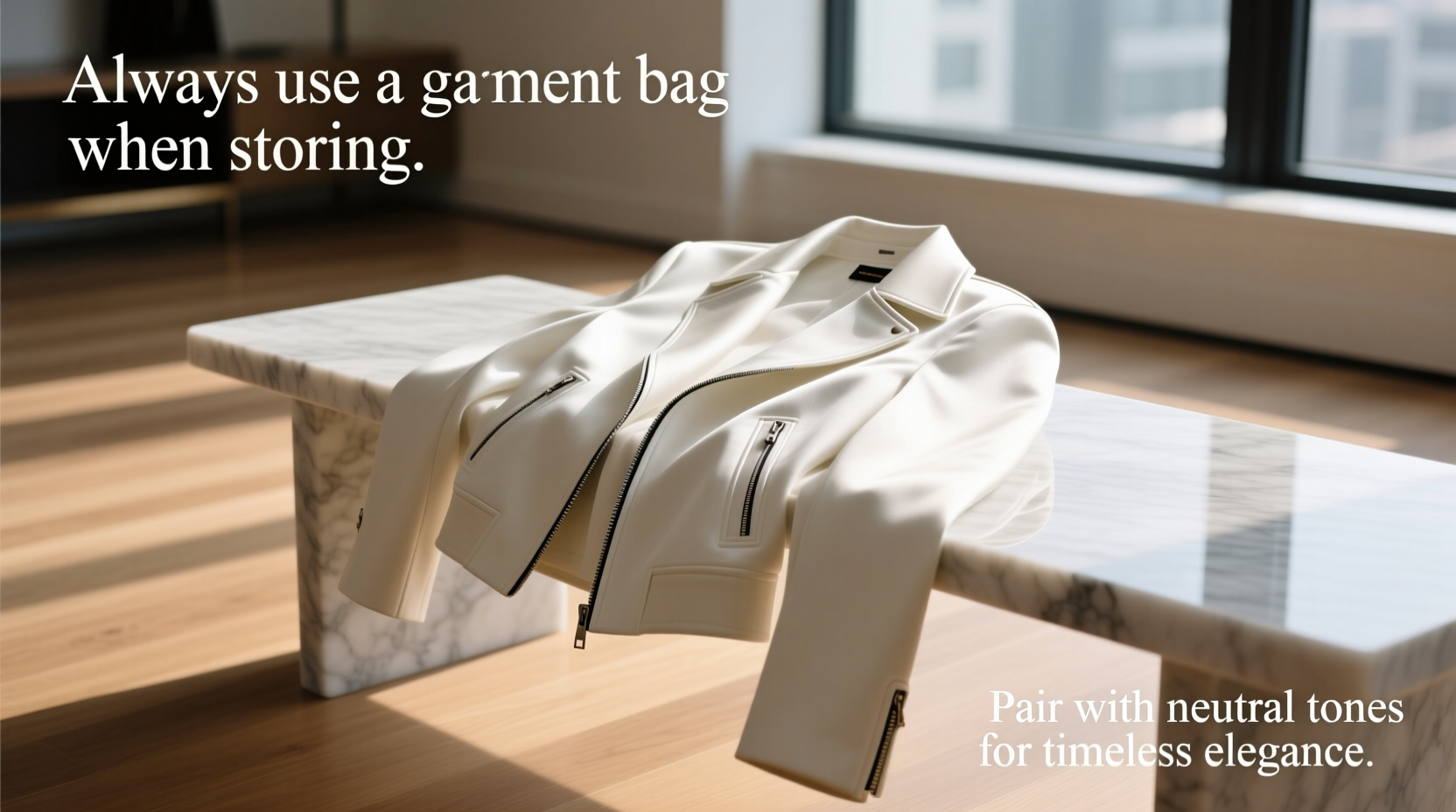
Before cleaning or styling, identify what your jacket is made of. Most light luxury white jackets fall into one of three categories: natural fibers (like cotton, wool, or silk blends), synthetic blends (polyester-rayon mixes), or performance fabrics (water-resistant treated textiles). Each reacts differently to moisture, heat, and friction.
Luxury tailoring often includes internal canvassing—layers of horsehair, linen, or wool that give structure and shape. These elements are sensitive to improper pressing or folding. Always check the garment label for care instructions, but when in doubt, assume dry-clean only, especially if the jacket has a formal cut or lining.
“White doesn’t hide flaws, but with proper maintenance, it can become the most enduring piece in your closet.” — Julian Moreau, Bespoke Tailor & Textile Consultant
Daily Maintenance: Preventing Stains and Discoloration
Prevention is the first line of defense. White fabric shows every speck of dust, oil, or environmental grime. A few simple habits drastically extend wearability:
- Rotate wear—avoid wearing the jacket two days in a row to let fibers breathe.
- Use a soft-bristle clothes brush after each use to remove surface dust.
- Wipe collar and cuffs gently with a dry microfiber cloth to absorb skin oils.
- Keep it away from perfume, cologne, and hand sanitizer, which can cause yellowing.
The Right Way to Store Your White Jacket
Improper storage leads to creasing, musty odors, and discoloration. Follow these steps for long-term preservation:
- Always hang on a padded, broad-shoulder hanger to maintain silhouette.
- Use a breathable cotton garment bag—never plastic, which traps moisture.
- Store in a cool, dark closet away from direct sunlight to prevent UV fading.
- Place cedar blocks nearby to deter moths without harsh chemicals.
- Avoid overcrowding; allow airflow around the jacket.
| Storage Factor | Do | Don't |
|---|---|---|
| Hanger Type | Padded, wide-shoulder | Wire or narrow hangers |
| Cover | Breathable cotton garment bag | Plastic dry-cleaning bags |
| Environment | Cool, dry, ventilated space | Damp basements or attics |
| Light Exposure | Minimal indirect light | Direct sunlight |
Professional vs. At-Home Cleaning: When to Do What
Not all cleaning needs require a trip to the dry cleaner. Light surface marks and odor absorption can be managed at home—but only with caution.
For spot cleaning, dampen a clean microfiber cloth with distilled water and a drop of pH-neutral detergent. Gently dab (never rub) the affected area. Let air dry completely before storing. Never machine wash unless explicitly labeled as such—most luxury jackets will lose shape or suffer seam damage.
Dry cleaning should be reserved for full refreshes every 4–6 wears, or when visible soiling occurs. Over-dry cleaning weakens fibers and strips natural oils, especially in wool blends. Request eco-friendly or wet cleaning methods if available—they’re gentler on fabric and color.
Step-by-Step Guide to Refreshing Your Jacket Between Wears
- Remove from hanger and gently shake to loosen fibers.
- Inspect seams and lining for loose threads or wear.
- Brush lightly with a soft clothes brush along nap direction (if applicable).
- Spot clean collar, cuffs, and pockets with a damp microfiber cloth.
- Hang in steam-safe bathroom during a hot shower to release wrinkles and odors.
- Let dry completely before returning to storage.
This routine takes less than ten minutes and prevents buildup that leads to deeper stains.
Styling Strategies: Making Your White Jacket Work Year-Round
A white jacket isn’t just for spring. With smart layering and pairing, it transitions seamlessly across seasons.
In warmer months, pair with neutral chinos and a navy t-shirt for a relaxed yet polished look. Add tan loafers or minimalist sneakers. For evening events, layer over a black turtleneck and tailored trousers—under a dimly lit setting, the white becomes a subtle halo effect, enhancing silhouette.
Colder weather calls for contrast. Wear over a charcoal crewneck sweater with dark denim. The jacket acts as both insulation and focal point. In rainy climates, carry a compact umbrella and avoid prolonged exposure—treatments vary, and not all “water-resistant” fabrics repel heavy downpours.
“Color is context. A white jacket draws attention to what’s beneath it—choose your layers wisely.” — Lena Tran, Fashion Stylist & Editor
Real Example: How One Executive Maintained His Signature Look
Michael R., a financial advisor in Chicago, owns a single white unstructured blazer he’s worn consistently for three years. He credits its condition to a strict regimen: brushed after every wear, stored in a cotton cover, professionally cleaned twice a year, and never worn during commute hours to avoid transit grime. By rotating it with different shirts and accessories, colleagues believe he owns multiple versions. “It’s my uniform,” he says. “People remember the confidence, not the fabric.”
Frequently Asked Questions
Can I wear a white luxury jacket in winter?
Yes—especially in urban or indoor settings. Pair with darker layers and avoid snow-heavy commutes. If caught in snow, brush off moisture immediately and let dry at room temperature.
How do I remove yellowing from age or sweat?
Mild yellowing may respond to a mixture of baking soda and water (paste), gently applied and left for 15 minutes before brushing off. However, deep-set discoloration usually requires professional restoration. Avoid bleach at all costs—it degrades fabric integrity.
Is it safe to press or steam my white jacket at home?
Only if you know the fabric. Use low heat and a pressing cloth for natural fibers. For synthetics, avoid direct iron contact. Steaming is safer: hold the steamer 6 inches away and move continuously. Never saturate the fabric.
Final Checklist: Your Monthly Care Routine
- ✔ Inspect for stains, loose buttons, or fraying
- ✔ Brush entire surface with soft clothing brush
- ✔ Spot clean high-contact areas (collar, cuffs)
- ✔ Air out in shaded area for 1–2 hours
- ✔ Confirm proper hanger and garment bag use
- ✔ Schedule dry cleaning if due
Conclusion: Elevate Your Wardrobe with Intentional Care
A light luxury white jacket earns its place not through price tag alone, but through how well it’s preserved and presented. Its brilliance fades not from time, but from neglect. With consistent care, intelligent storage, and thoughtful styling, this piece transcends trend cycles and becomes a signature element of personal style. Treat it not as a fragile item, but as a trusted companion in your daily expression.




 浙公网安备
33010002000092号
浙公网安备
33010002000092号 浙B2-20120091-4
Comments
No comments yet. Why don't you start the discussion?