
A leather keychain is more than a functional accessory—it’s a statement of style, durability, and craftsmanship. Whether it’s hand-stitched, embossed with initials, or crafted from full-grain hide, a well-maintained leather keychain can age beautifully over time, developing a rich patina that tells a story. However, neglect can lead to drying, cracking, staining, and premature wear. The good news: with consistent, thoughtful care, you can preserve its integrity and even enhance its appearance for years to come.
Understanding Leather Types and Their Needs
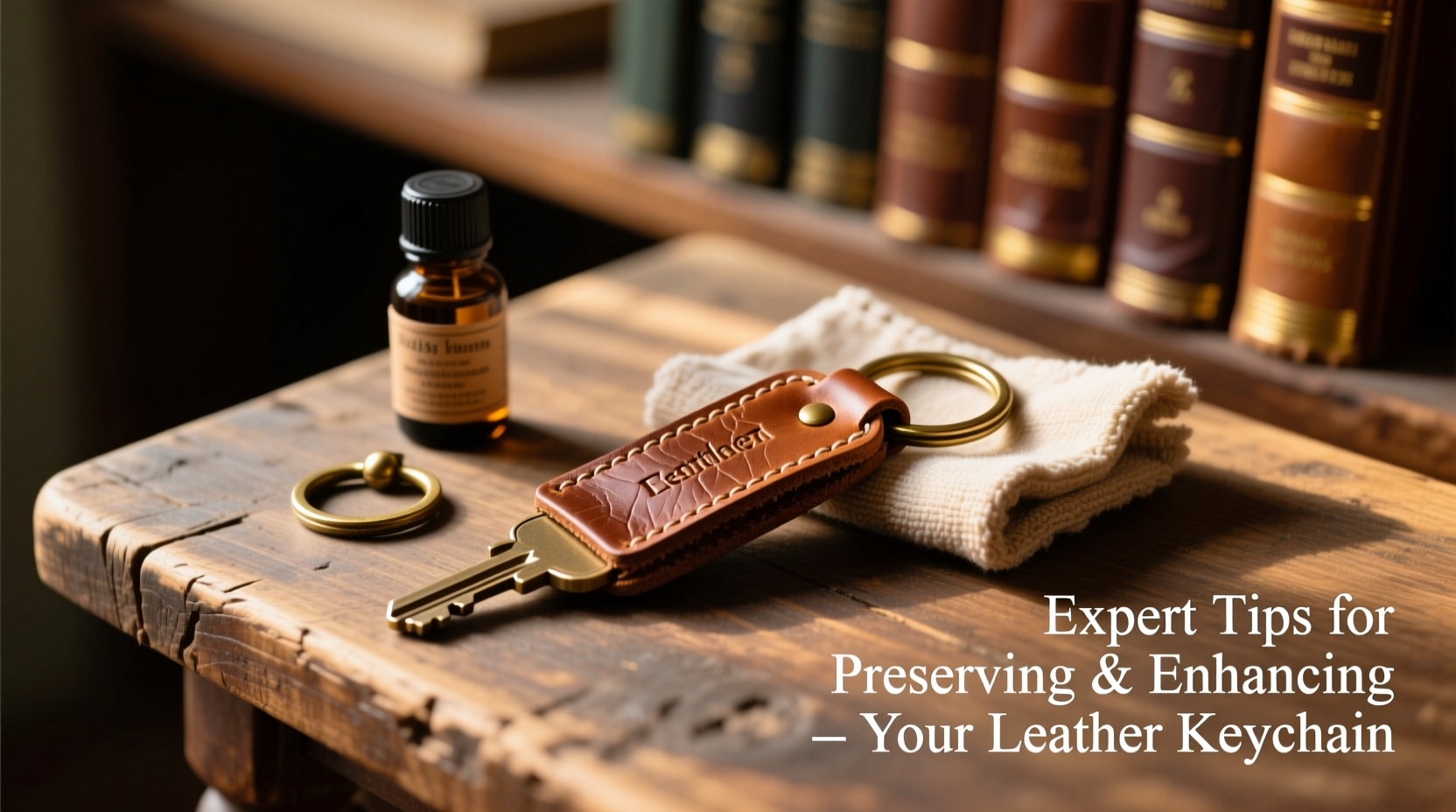
Not all leather is created equal. The type of leather used in your keychain determines how it should be cleaned, conditioned, and stored. Common types include:
- Full-grain leather: The highest quality, retaining the natural grain and offering superior durability. Develops a deep patina over time.
- Top-grain leather: Sanded and refinished for a smoother surface. More resistant to stains but less breathable than full-grain.
- Suede and nubuck: Velvety textures made from the underside (suede) or top layer sanded (nubuck). Highly sensitive to moisture and abrasion.
- Corrected-grain or bonded leather: Lower-cost options often coated with synthetic finishes. Less durable and not ideal for long-term aging.
Knowing your leather type allows you to tailor your care routine effectively. Full-grain and top-grain benefit most from regular conditioning, while suede requires dry brushing and protective sprays.
Step-by-Step Guide: Cleaning and Conditioning Your Leather Keychain
Regular maintenance prevents buildup of dirt and oils while keeping the leather supple. Follow this five-step process every 3–6 months, depending on usage.
- Remove keys and hardware: Detach any metal components if possible to avoid trapping moisture around rivets or rings.
- Dust and wipe surface: Use a soft, dry microfiber cloth to remove surface debris. For textured leather, use a soft-bristled brush (like a toothbrush) gently along the grain.
- Clean with a leather-safe solution: Dampen a cloth with a pH-balanced leather cleaner. Wipe gently in circular motions. Never soak the leather.
- Allow thorough drying: Air-dry at room temperature, away from direct heat or sunlight. This may take 2–4 hours.
- Apply leather conditioner: Use a small amount of beeswax or oil-based conditioner (e.g., neatsfoot oil or lanolin) with a clean cloth. Buff lightly after 15 minutes.
Over-conditioning can soften leather excessively or attract dust. Stick to moderate applications—once every few months is usually sufficient for light-use items like keychains.
Do’s and Don’ts: A Quick Reference Table
| Do’s | Don’ts |
|---|---|
| Store in a breathable fabric pouch when not in use | Leave it in direct sunlight or hot car interiors |
| Wipe down monthly with a dry cloth | Use household cleaners like Windex or vinegar |
| Condition with natural oils every 3–6 months | Submerge in water or use wet wipes |
| Rotate multiple keychains to reduce wear | Attach sharp or abrasive objects that scratch the surface |
| Use a leather protectant spray for outdoor exposure | Store in plastic bags—traps moisture and promotes mildew |
Real Example: How One Collector Preserved a Decade-Old Keychain
James R., a leather goods enthusiast from Portland, has used the same vegetable-tanned leather keychain since 2014. Attached daily to his house and car keys, it sees constant friction and occasional rain exposure. Yet, it remains flexible and rich in color.
His secret? A strict biannual routine: he removes the keychain every six months, cleans it with saddle soap, conditions it with a mix of beeswax and coconut oil, and stores it in a linen drawer during off-months. He also avoids using it during hikes or beach trips, opting instead for a silicone backup.
“It’s developed a honey-brown glow I didn’t expect,” James says. “People think it’s new, but it’s actually better with age.” His experience underscores how minor habits compound into major longevity.
“Leather doesn’t degrade—it evolves. Proper care ensures it evolves beautifully.” — Lena Torres, Artisan Leather Crafter & Educator
Seasonal Care Checklist
Environmental changes impact leather differently throughout the year. Adapt your routine with this seasonal checklist:
- Spring: Clean winter residue; apply light conditioner after increased humidity.
- Summer: Protect from UV exposure; avoid leaving in hot vehicles; wipe sweat or salt if carried outdoors.
- Fall: Inspect for cracks; recondition before colder, drier air sets in.
- Winter: Minimize contact with snow and road salt; dry thoroughly if exposed; store indoors overnight.
Frequently Asked Questions
Can I use coconut oil to condition my leather keychain?
Yes, but sparingly. Pure coconut oil can darken some leathers and attract dust if over-applied. Mix with beeswax (1:1) for a safer, more balanced balm. Always test on a small, hidden area first.
What should I do if my leather keychain gets wet?
Immediately blot with a dry cloth. Let it air-dry at room temperature—never use a hairdryer or heater. Once dry, condition lightly to restore moisture balance. Avoid folding or bending until fully dry to prevent creasing.
How can I prevent my keychain from fading?
Limit UV exposure by avoiding prolonged sun contact. Store in a dark, ventilated space when not in use. Consider applying a UV-protective leather dressing once a year, especially for dyed leathers.
Final Thoughts: Elevate Your Everyday Carry
A leather keychain is one of the smallest yet most frequently handled accessories you own. Its resilience reflects your attention to detail and appreciation for quality. By understanding your leather type, following a simple cleaning rhythm, and protecting it from environmental stressors, you’re not just maintaining an object—you’re nurturing a piece of personal history.
Preservation isn’t about perfection; it’s about intention. Each mark, each subtle shift in tone, becomes part of its narrative. With these expert-backed practices, your keychain won’t just last longer—it will grow more meaningful over time.




 浙公网安备
33010002000092号
浙公网安备
33010002000092号 浙B2-20120091-4
Comments
No comments yet. Why don't you start the discussion?