
A leather iPhone case is more than just protection—it’s a statement of style and craftsmanship. Over time, exposure to daily elements like oils, moisture, and friction can degrade its appearance and structural integrity. But with proper care, a high-quality leather case can age beautifully, developing a rich patina while remaining functional for years. Unlike synthetic materials, genuine leather responds well to maintenance, but only if treated correctly. The key lies in consistent, informed habits that preserve both its form and finish.
Understanding Leather Types and Their Needs
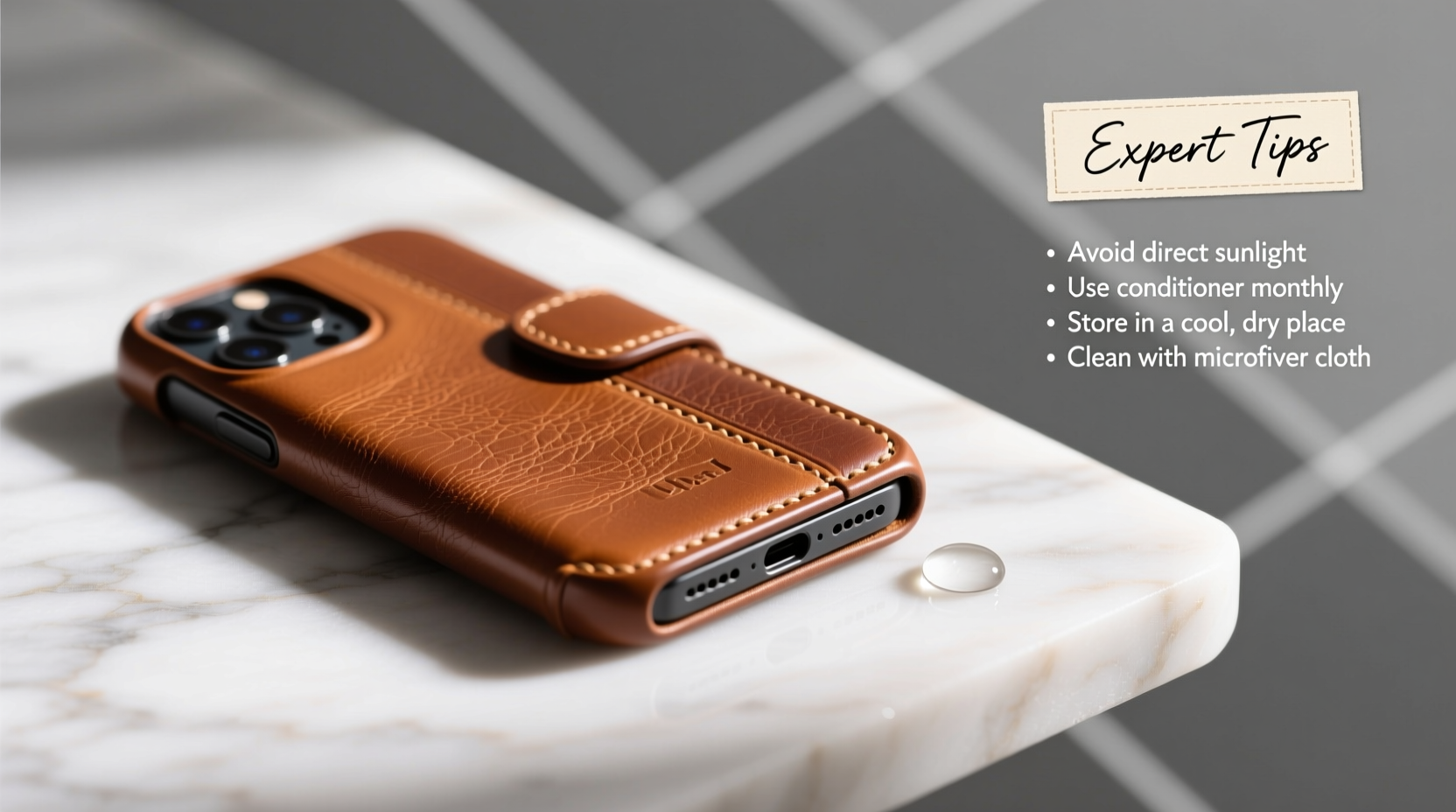
Not all leather is created equal. The type of leather used in your iPhone case determines how it should be cleaned, conditioned, and stored. Most premium cases use full-grain or top-grain leather, prized for durability and natural texture. These leathers breathe, age gracefully, and develop character over time—but they’re also porous and susceptible to stains and drying.
On the other hand, corrected-grain or bonded leather (often found in budget options) has a laminated surface that resists spills better but lacks breathability and long-term resilience. Knowing your case’s material helps tailor your care routine appropriately.
Essential Daily Habits for Longevity
Much of leather preservation happens through small, repeated actions. Your hands transfer natural oils and sweat onto the case every time you pick up your phone. While some oil nourishes leather, excessive buildup leads to darkening and stiffness. Minimize this by washing your hands regularly and avoiding prolonged use after applying lotions or sanitizers.
Avoid placing your phone on rough surfaces like concrete or gravel. Even minor abrasions accumulate, wearing down edges and corners where leather meets the device. When setting your phone down, place it screen-up on smooth surfaces like wood or fabric.
“Daily micro-abrasions are the silent killers of leather finishes. A little mindfulness goes a long way.” — Daniel Reeves, Artisan Leather Goods Maker
Step-by-Step Cleaning and Conditioning Routine
Cleaning isn’t about scrubbing—it’s about gentle removal of contaminants without stripping natural oils. Follow this monthly routine to keep your case fresh:
- Dust Removal: Use a soft, lint-free cloth (like microfiber) to wipe down the entire surface. Pay attention to seams and folds where dirt collects.
- Spot Clean if Needed: Dampen a corner of the cloth with distilled water. Gently dab (don’t rub) any soiled areas. Never soak the leather.
- Dry Naturally: Let the case air-dry at room temperature, away from direct heat or sunlight. This may take 30–60 minutes.
- Apply Conditioner: Use a pea-sized amount of pH-balanced leather conditioner. Spread evenly with a clean cloth using circular motions. Focus on high-wear zones: corners, button covers, and spine.
- Buff Lightly: After 15–20 minutes, buff with a dry section of the cloth to restore sheen and remove residue.
This process replenishes moisture lost to environmental exposure and prevents cracking. Over-conditioning, however, can soften the leather too much or attract dust. Stick to once every 4–6 weeks unless the case feels dry sooner.
Do’s and Don’ts: A Quick Reference Table
| Do’s | Don’ts |
|---|---|
| Wipe with a dry microfiber cloth weekly | Use alcohol-based cleaners or wipes |
| Condition every 4–6 weeks | Submerge in water or expose to heavy rain |
| Store in a breathable fabric pouch when not in use | Leave in hot cars or near radiators |
| Rotate between multiple cases to reduce wear | Apply silicone sprays or shoe polish |
| Keep away from perfumes and hand sanitizers | Scrub aggressively with abrasive cloths |
Real-World Example: How One User Extended Case Life by 3 Years
Sarah, a freelance designer in Portland, purchased a full-grain leather iPhone 13 case at launch. Instead of replacing it annually like her previous cases, she adopted a simple regimen: wiping it weekly, conditioning it quarterly, and storing it in a cotton pouch when switching to a summer silicone case. She avoided charging her phone on marble countertops, which had previously scuffed the edge stitching.
After three years, the case showed a warm amber patina but remained structurally sound. The snap closure still held firmly, and the interior lining was intact. “It looks better now than it did new,” she said. “People ask where I bought it, thinking it’s brand new.” Her diligence saved her $60 in replacement costs and reduced waste—a win for both wallet and environment.
Proper Storage Techniques for Off-Season Cases
If you own multiple cases or switch styles seasonally, proper storage is critical. Storing a leather case improperly leads to warping, mold, or fading. Always clean and condition before putting it away. Then, follow these steps:
- Stuff the case lightly with acid-free tissue paper to maintain shape.
- Place it in a breathable cotton or muslin bag—never plastic, which traps moisture.
- Store in a cool, dark drawer with stable humidity (ideally 40–50%).
- Check every 2–3 months for signs of mildew or dryness.
Frequently Asked Questions
Can I use coconut oil or household moisturizer on my leather case?
No. While natural oils like coconut may seem nourishing, they oxidize over time, turning rancid and causing discoloration. Similarly, lotions contain additives and fragrances that clog leather pores. Always use a dedicated, pH-neutral leather conditioner designed for accessories.
Why is my leather case stiffening over time?
Stiffness usually results from dehydration. Environmental factors like low humidity, heating systems, or infrequent conditioning draw out natural oils. Restore flexibility with a quality conditioner. If the leather is already cracked, deep restoration may not be possible—prevention is key.
Is it normal for my case to darken with use?
Yes. Full-grain leather naturally darkens as it absorbs skin oils, light exposure, and conditioning products. This aging process, known as patina development, is often celebrated in fine leather goods. To slow it, minimize contact with oily hands and store the case covered when not in use.
Final Checklist for Leather Case Care
To make upkeep effortless, here’s a concise checklist you can follow monthly:
- □ Wipe down with a dry microfiber cloth
- □ Inspect for scratches, stains, or loose stitching
- □ Spot-clean with damp cloth if needed
- □ Apply leather conditioner sparingly
- □ Buff to a soft shine
- □ Store properly if rotating cases
Conclusion: Treat It Like an Heirloom, Not a Disposable Accessory
Your leather iPhone case deserves more than casual treatment. With minimal effort—regular dusting, mindful handling, and periodic conditioning—you can preserve its elegance and function far beyond the average lifespan. Think of it not as a replaceable item but as a personal accessory that evolves with you. Each scuff and shade change tells a story, but only if you protect its foundation. Start today: clean it, condition it, store it right. In a few years, you’ll have more than a case—you’ll have a well-worn companion that still performs and impresses.




 浙公网安备
33010002000092号
浙公网安备
33010002000092号 浙B2-20120091-4
Comments
No comments yet. Why don't you start the discussion?