
Shell flower bracelets, crafted from natural seashells intricately shaped into floral designs, are prized for their organic elegance and artisanal charm. These delicate accessories blend coastal aesthetics with wearable artistry, making them a favorite among jewelry collectors and fashion enthusiasts. However, their natural composition makes them vulnerable to moisture, heat, and physical stress. Without proper care, these pieces can discolor, crack, or lose structural integrity over time. Understanding how to clean and maintain them is essential to preserving both their appearance and longevity.
Understanding the Material: Why Shell Jewelry Needs Special Care
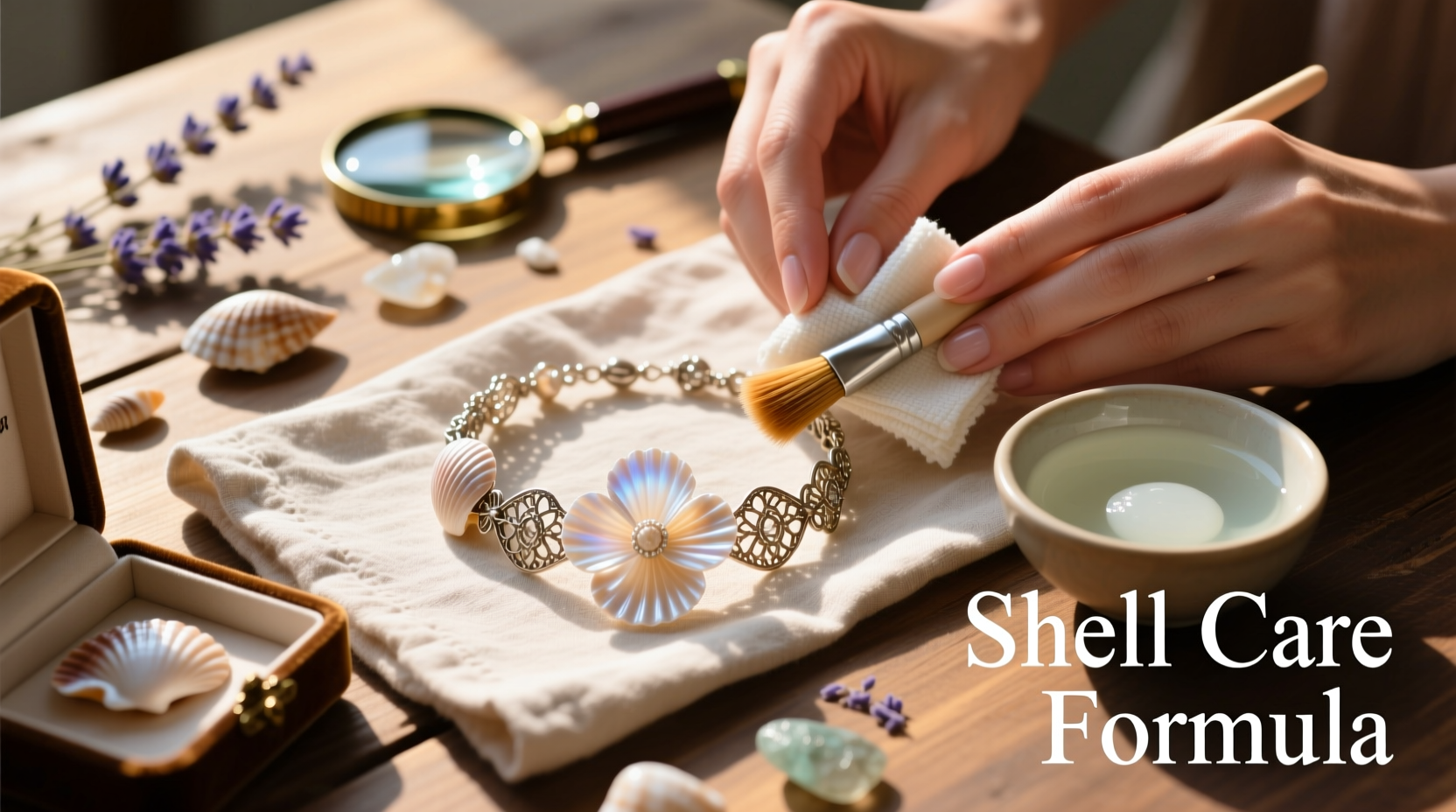
Natural shell is a biogenic composite made primarily of calcium carbonate, layered in microscopic crystalline structures that give it strength and iridescence. Unlike metals or synthetic materials, shell reacts sensitively to environmental changes. Exposure to acids (including skin oils and perfumes), prolonged sunlight, and sudden temperature shifts can degrade its surface. The \"flower\" elements in these bracelets are often thin, carved segments—sometimes less than 1mm thick—making them especially fragile.
Additionally, many shell flower bracelets use natural dyes or finishes to enhance color. These treatments may fade or bleed if exposed to water or cleaning agents. Even the stringing method matters: elastic cords weaken faster when wet, while silk threads can fray under tension or humidity.
“Natural shell jewelry isn’t just an accessory—it’s a piece of marine history. Treating it with reverence ensures it lasts across generations.” — Dr. Lila Nguyen, Conservator of Organic Artifacts, Pacific Coast Museum
Step-by-Step Guide: Safe Cleaning Process for Shell Flower Bracelets
Cleaning should be infrequent but deliberate. Over-cleaning causes more harm than good. Follow this careful sequence only when visible dust, oil residue, or dullness appears on the surface.
- Remove the bracelet before washing hands, applying lotions, or swimming. Always handle it gently by the clasp or sturdier links, not the floral elements.
- Dampen a soft microfiber cloth with distilled water only—never tap water, which contains minerals that can leave deposits.
- Gently wipe each shell segment, using minimal pressure. Focus on areas near the skin where oils accumulate. Do not soak or submerge.
- For stubborn residue, lightly moisten the cloth with a 90:10 mix of distilled water and mild olive oil-based soap. Wipe immediately and rinse the cloth to remove any soap traces.
- Dry thoroughly with a second clean, dry microfiber cloth. Allow air drying for 5–10 minutes away from direct airflow or heat sources.
- Inspect the stringing material for fraying, stretching, or discoloration. Replace if necessary before wearing again.
Do’s and Don’ts: Best Practices for Daily Maintenance
Prevention is the most effective form of preservation. Simple habits make a significant difference in how well your shell flower bracelet ages.
| Do | Don't |
|---|---|
| Store in a padded, breathable fabric pouch away from other jewelry | Store loosely in a drawer where it can get scratched |
| Wear after applying perfume, lotion, or sunscreen | Apply cosmetics while wearing the bracelet |
| Rotate wear to reduce continuous exposure to sweat and oils | Wear daily during workouts or beach visits |
| Use a soft brush (like a clean toothbrush) for crevice dust removal | Scrub with abrasive cloths or brushes |
| Have the string professionally re-knotted annually | Wait until the bracelet breaks to repair |
Real Example: How Improper Storage Damaged a Heirloom Piece
A collector in San Diego inherited a vintage shell flower bracelet from her grandmother, originally purchased in the 1970s from a Bali artisan market. Though structurally intact, she stored it in a plastic zip bag inside a bathroom cabinet. After two years, she noticed dark spots forming on several petals and a chalky film across the surface. She brought it to a conservator who diagnosed the issue: trapped humidity caused salt efflorescence—a process where moisture evaporates, leaving behind mineral deposits that etch the shell. The piece required professional desalination and surface stabilization, costing nearly half its market value. Had it been stored in a cotton-lined box with silica gel, the damage could have been avoided entirely.
Essential Maintenance Checklist
To keep your shell flower bracelet in optimal condition, follow this quarterly checklist:
- ✅ Visually inspect each shell unit for cracks, fading, or lifting
- ✅ Check the string or wire tension; replace if loose or worn
- ✅ Clean gently with a damp microfiber cloth (distilled water only)
- ✅ Confirm storage environment: cool, dry, away from sunlight
- ✅ Rotate wear schedule—limit to 2–3 times per week maximum
- ✅ Schedule professional inspection every 12–18 months
Frequently Asked Questions
Can I wear my shell flower bracelet in the ocean or pool?
No. Saltwater accelerates erosion of calcium-based materials, and chlorine is highly corrosive. Both can cause irreversible pitting and weakening of the shell structure. Always remove before swimming.
How do I remove stains without damaging the finish?
Surface stains from oils or makeup should be addressed immediately with a lightly dampened microfiber cloth. Avoid rubbing. If staining persists, consult a jewelry conservator—do not attempt DIY remedies involving vinegar, baking soda, or alcohol.
Is it safe to wear during sleep or exercise?
No. Physical impact, perspiration, and friction increase the risk of breakage. Remove the bracelet before sleeping, working out, or doing household chores.
Conclusion: Honor the Craft, Protect the Beauty
Shell flower bracelets are more than adornments—they represent craftsmanship, nature’s artistry, and personal memories. Their fragility demands mindfulness, but with consistent, gentle care, they can remain radiant for decades. By avoiding common pitfalls, adopting preventive habits, and respecting the material’s limits, you ensure these delicate pieces continue to inspire admiration. Whether worn occasionally or passed down as heirlooms, their story deserves protection.




 浙公网安备
33010002000092号
浙公网安备
33010002000092号 浙B2-20120091-4
Comments
No comments yet. Why don't you start the discussion?