
Leopard print shoes make a powerful fashion statement—bold, confident, and timeless. Whether they’re heels, boots, sneakers, or flats, these eye-catching pieces deserve more than just occasional attention. The intricate pattern and often delicate materials require specific care to prevent fading, cracking, or warping. Many wearers unknowingly damage their favorite pairs with improper cleaning methods or poor storage. With the right routine, however, you can keep your leopard print footwear vibrant, structured, and ready to elevate any outfit for seasons to come.
Understand Your Shoe’s Material First
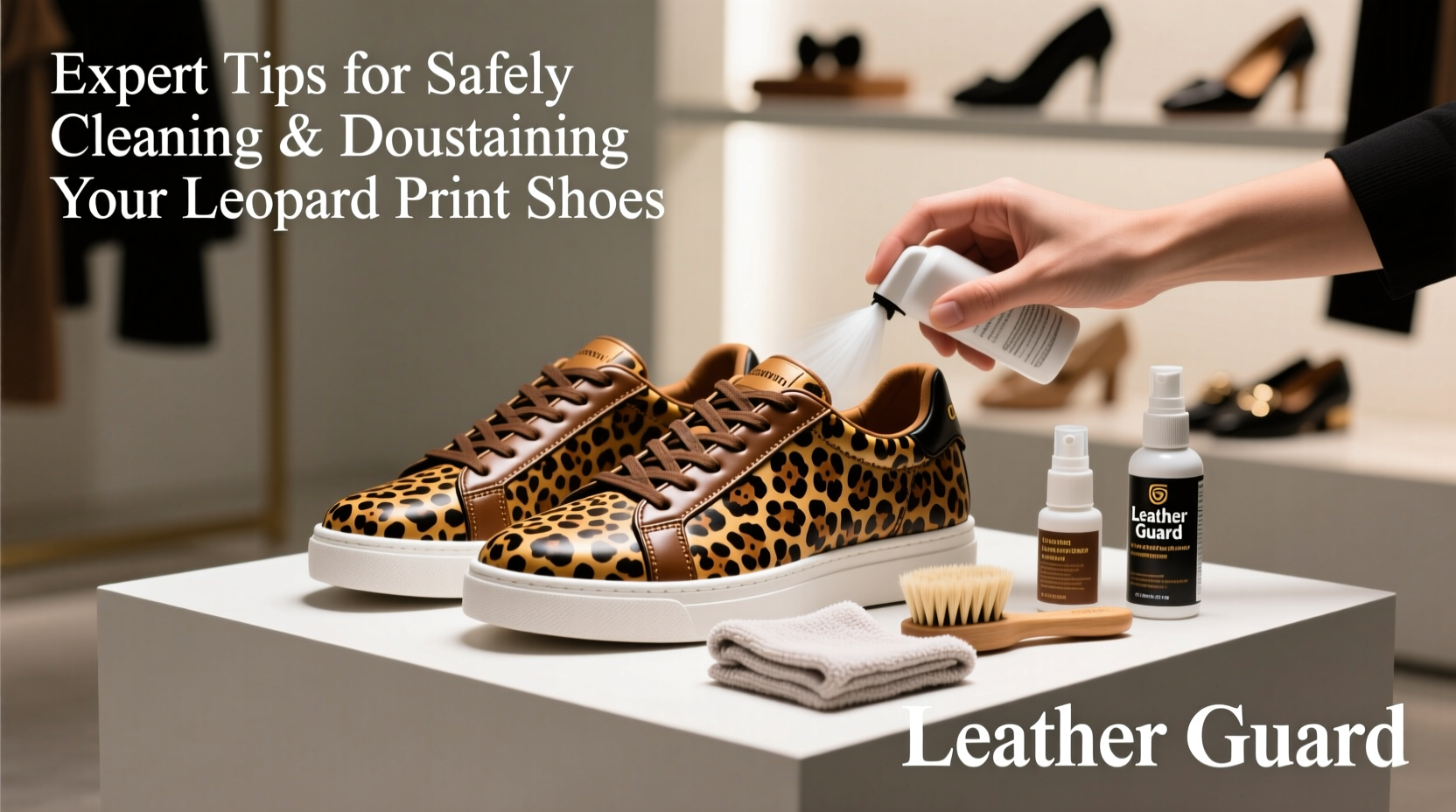
Not all leopard print shoes are created equal. The material dictates how you should clean and store them. Common bases include synthetic leather, genuine leather, suede, canvas, and vinyl. Each reacts differently to moisture, heat, and cleaning agents.
Genuine leather offers durability and breathability but needs conditioning to avoid drying. Synthetic leather is more resistant to stains but can peel if scrubbed aggressively. Suede demands special brushes and protectants due to its nap texture. Canvas prints may fade in water, while vinyl is tough but prone to cracking under UV exposure.
Always check the manufacturer’s label inside the shoe for care instructions. When in doubt, treat the material conservatively—less is more when it comes to moisture and chemicals.
“Misidentifying the material is the most common mistake in print shoe care. One wrong wipe can blur the pattern or strip protective coatings.” — Lila Monroe, Footwear Preservation Specialist
Step-by-Step Cleaning Process by Material Type
Cleaning leopard print shoes isn’t a one-size-fits-all task. Follow this detailed timeline based on material type to ensure safety and effectiveness.
For Leather and Faux Leather Shoes
- Remove laces and insoles (if possible) to access hidden areas.
- Wipe away surface dust with a dry microfiber cloth.
- Dampen a second cloth with a mix of distilled water and mild pH-balanced leather cleaner (50/50 ratio).
- Gently wipe the surface in circular motions, avoiding excessive pressure on printed zones.
- Use cotton swabs for textured grooves or pattern edges.
- Let air dry naturally—away from direct heat or sunlight.
- Once dry, apply a color-safe leather conditioner to maintain suppleness.
For Suede Leopard Prints
- Use a suede eraser or soft-bristle brush to lift surface dirt.
- Work in the direction of the nap to avoid distorting the print.
- For stubborn spots, use a specialized suede cleaner and a clean cloth—test on an inconspicuous area first.
- Allow shoes to dry completely before brushing again to restore texture.
- Apply a suede and nubuck protector spray to guard against future stains.
For Canvas or Fabric-Based Prints
- Brush off loose debris with a soft clothes brush.
- Mix lukewarm water with a teaspoon of gentle detergent (like Woolite).
- Dip a clean sponge into the solution and gently dab stained areas—do not soak.
- Rinse the sponge frequently to avoid spreading grime.
- Blot dry with a towel, then stuff with acid-free tissue paper to hold shape during drying.
- Air dry overnight in a well-ventilated space.
Do’s and Don’ts: A Quick Reference Table
| Action | Do | Don’t |
|---|---|---|
| Cleaning Solution | pH-neutral cleaners, distilled water, suede-specific products | bleach, alcohol-based wipes, household detergents |
| Drying Method | air dry at room temperature, away from radiators | use hairdryers, place on heaters, leave in sun |
| Storage | dust bags, shoe trees, climate-controlled closet | plastic bins, damp basements, stacked without padding |
| Protection | spray fabric guard (for canvas), leather sealant | apply oil-heavy conditioners to synthetic materials |
| Pattern Care | clean gently along print lines, use precision tools | scrub aggressively or use abrasive pads |
Real Example: How One Collector Saved Her Vintage Pair
Sophia R., a vintage shoe collector from Austin, inherited a pair of 1970s leopard print ankle boots made of real leather. After decades in a cedar closet, the prints were faded and the leather was stiff. She avoided moisturizing creams that could smear the design. Instead, she consulted a cobbler who recommended a solvent-free leather cleaner followed by a glycerin-based conditioner applied with a fine-tipped brush. Over three weekly sessions, she restored flexibility without blurring the iconic spots. “The key,” she says, “was patience. I treated each inch like artwork.” Today, the boots are wearable and displayed in rotation with UV-filtered lighting.
Essential Maintenance Checklist
- ✅ Identify material type before cleaning
- ✅ Remove surface dirt weekly with a dry microfiber cloth
- ✅ Deep clean every 4–6 weeks depending on wear
- ✅ Condition leather every 2 months (except synthetics)
- ✅ Use protective sprays appropriate to the material
- ✅ Store in breathable dust bags with shoe forms
- ✅ Rotate wear to prevent creasing and fatigue
- ✅ Inspect stitching and soles monthly for early damage signs
Frequently Asked Questions
Can I use makeup remover wipes on leopard print shoes?
No. Most makeup wipes contain alcohol and oils that can dissolve print binders and discolor fabrics. Even \"gentle\" wipes aren't formulated for footwear. Stick to professional shoe cleaners or DIY solutions using distilled water and mild soap.
How do I prevent the print from rubbing off?
The print rubs off when the topcoat degrades. To prevent this, avoid frequent exposure to rain, sweat, or friction from tight socks. Apply a clear protective sealant designed for printed materials every few months. Also, minimize walking on rough surfaces like gravel or concrete.
Is it safe to wear leopard print shoes in the rain?
Only if they’ve been properly protected. Water causes swelling in natural fibers, promotes mold in enclosed spaces, and can warp glued layers. If caught in a light drizzle, blot immediately with a dry cloth and let them air dry slowly. For regular wet conditions, consider owning a weather-ready pair made of rubber or treated leather.
Final Thoughts: Treat Them Like Art, Not Just Footwear
Your leopard print shoes are more than accessories—they’re expressions of personal style. The spots, curves, and contrasts take skill to produce and even more to preserve. By understanding the materials, following precise cleaning steps, and storing them thoughtfully, you honor both the craftsmanship and your own investment.
Consistency beats intensity. Five minutes of weekly care does more than one deep clean every six months. Make maintenance part of your routine, just as you would with jewelry or handbags.




 浙公网安备
33010002000092号
浙公网安备
33010002000092号 浙B2-20120091-4
Comments
No comments yet. Why don't you start the discussion?