
Canvas underarm tote bags have become a staple in modern wardrobes—lightweight, stylish, and versatile enough to transition from errands to brunch to casual workdays. But frequent use exposes them to dirt, sweat, oils, and environmental grime that can dull their appearance and compromise fabric integrity. Unlike leather or synthetic materials, canvas requires thoughtful care to maintain its structure and color without causing shrinkage, warping, or fiber damage. The good news? With the right techniques, you can keep your favorite tote looking fresh and functional for years.
Understanding Canvas Fabric and Its Vulnerabilities
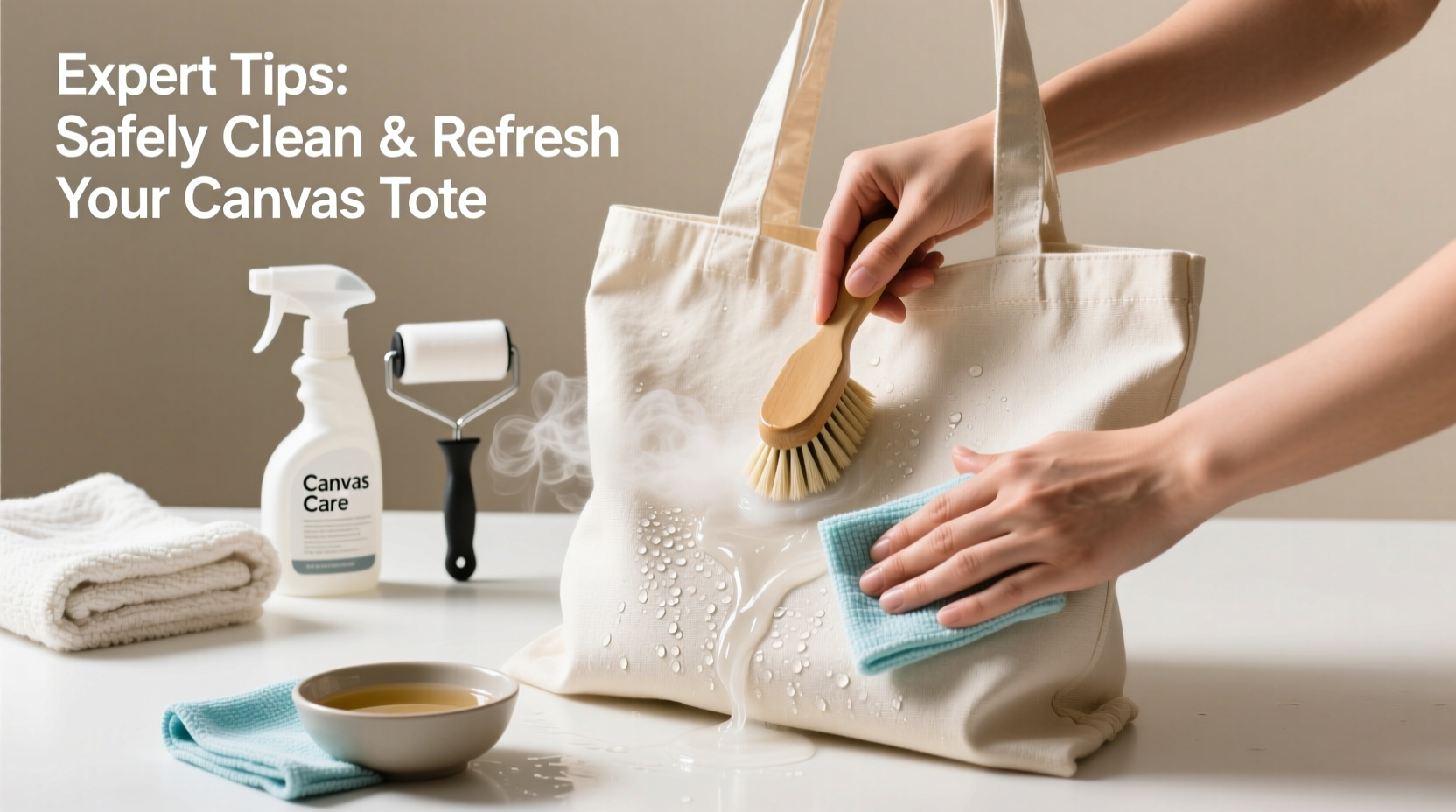
Canvas is typically made from tightly woven cotton or a cotton-polyester blend, offering durability and breathability. However, its natural fibers absorb moisture and stains more readily than treated synthetics. Sweat from underarm contact, spilled coffee, makeup transfer, and daily dust accumulation are common issues. Over time, these elements can lead to yellowing, odor retention, and weakened stitching, especially in high-stress areas like handles and seams.
The underarm design adds another layer of complexity: direct skin contact increases exposure to body oils and perspiration, which break down fabric over time. This makes routine maintenance essential—not just for aesthetics, but for structural longevity.
“Canvas may seem rugged, but it’s sensitive to improper cleaning. Aggressive scrubbing or machine washing can distort shape and fade prints.” — Lena Torres, Textile Care Consultant at Urban Garment Lab
Step-by-Step Guide to Safely Clean Your Tote
Cleaning a canvas underarm tote doesn’t require specialized equipment, but it does demand patience and precision. Follow this timeline-based method to preserve both appearance and function.
- Empty and Inspect (5 minutes)
Remove all contents. Check pockets, seams, and corners for debris. Look for loose threads, stains, or hardware corrosion (zippers, snaps). - Dry Brush Surface (3–5 minutes)
Use a soft-bristled clothes brush or clean toothbrush to gently remove surface dust and dry soil. Focus on textured areas and along stitching lines. - Spot Treat Stains (10–15 minutes)
For localized marks—ink, makeup, food—dampen a microfiber cloth with a mix of one part white vinegar and two parts water. Dab (don’t rub) the area gently. For oil-based stains, sprinkle a pinch of cornstarch, let sit 15 minutes, then brush off. - Hand Wash (20 minutes + drying)
Mix lukewarm water with a teaspoon of mild liquid detergent (like Woolite or Dr. Bronner’s). Submerge the tote briefly, agitating lightly. Never soak longer than 10 minutes. Rinse thoroughly with cool water until suds disappear. - Dry Flat and Reshape (6–24 hours)
Lay the tote on a clean towel, reshape to original form, and roll slightly to absorb excess moisture. Then lay flat in a well-ventilated, shaded area. Avoid radiators, direct sunlight, or clothes dryers—these cause shrinkage and fading.
Do’s and Don’ts: A Quick Reference Table
| Do’s | Don’ts |
|---|---|
| Use pH-neutral detergents | Machine wash unless label explicitly allows |
| Air dry away from heat sources | Wring or twist the bag to remove water |
| Clean every 4–6 weeks with light use | Use bleach or ammonia-based cleaners |
| Store with breathable cotton bag or pillowcase | Compress or stack heavy items on top |
| Refresh interior with baking soda (see checklist) | Spray perfume directly to mask odors |
Real Example: Reviving a Neglected Summer Tote
Sophia, a freelance designer in Portland, wore her striped canvas underarm tote daily during a busy project season. After three months, the lining smelled musty, the base was stained, and the shoulder strap had darkened from sweat. She nearly discarded it—until she followed a spot-cleaning protocol similar to the one above.
She started by vacuuming crumbs from the interior with a brush attachment, then applied a vinegar-water solution to the discolored strap. After hand washing with baby shampoo (a gentle alternative), she laid the tote flat with a wooden board inside to maintain rigidity. Within 24 hours, the fabric regained its crispness. Two weeks later, she reported no lingering odor and renewed confidence in wearing it to client meetings.
This case underscores a key truth: even heavily used canvas totes can recover with consistent, informed care.
Checklist: Monthly Refresh Routine
- ✅ Empty all compartments and shake out debris
- ✅ Brush exterior and interior surfaces with a soft lint-free cloth
- ✅ Wipe interior lining with a damp cloth and mild soap
- ✅ Sprinkle 1 tbsp baking soda inside, leave for 30 minutes, then vacuum
- ✅ Inspect straps and seams for wear or fraying
- ✅ Air out in indirect sunlight for up to 1 hour (UV helps disinfect)
- ✅ Store upright with stuffing to maintain shape
FAQ: Common Concerns About Canvas Tote Care
Can I put my canvas tote in the washing machine?
Only if the manufacturer’s label specifically states it’s machine-washable. Even then, use a cold, delicate cycle inside a mesh laundry bag. Most experts recommend hand washing to avoid seam stress and dimensional changes.
How do I remove sweat stains from the underarm area?
Create a paste of baking soda and water, apply to the affected zone, and gently dab with a soft cloth. Let sit for 10 minutes before rinsing with a damp sponge. Repeat if necessary. Avoid hydrogen peroxide, which can weaken cotton fibers over time.
Is it safe to use waterproofing sprays on canvas?
Yes, but choose silicone- or wax-based protectants labeled for natural fabrics. Spray evenly in a well-ventilated area and allow 24 hours to cure. Reapply every 2–3 months with regular use. Note: these sprays may darken light-colored canvas slightly.
“Prevention is better than restoration. Rotate your totes weekly to reduce strain and extend each one’s lifespan.” — Marcus Lin, Sustainable Accessory Designer
Conclusion: Make Maintenance a Seamless Habit
A canvas underarm tote earns its place in your rotation through reliability and style. By treating it not just as an accessory but as a long-term investment, you ensure it remains hygienic, structurally sound, and visually appealing. The steps outlined here—gentle cleaning, mindful drying, preventive storage—are simple but transformative when practiced consistently.
Start small: dedicate 15 minutes this weekend to deep-clean your most-used tote. Notice the difference in texture and freshness. Then build a quarterly care calendar so upkeep becomes second nature. Your bag will thank you with seasons of dependable service—and you’ll enjoy the pride of maintaining something well-loved, well-used, and still looking sharp.




 浙公网安备
33010002000092号
浙公网安备
33010002000092号 浙B2-20120091-4
Comments
No comments yet. Why don't you start the discussion?