
Electroplated mirror phone cases have become a favorite among style-conscious users for their sleek, reflective surfaces that mimic polished metal. These cases not only enhance the visual appeal of your device but also offer moderate protection from everyday wear. However, their high-gloss finish is sensitive to scratches, chemical exposure, and oxidation. Over time, fingerprints, smudges, micro-scratches, and tarnishing can dull the mirror effect, making your case look worn and outdated. The good news: with the right techniques and gentle care, you can restore and maintain that showroom shine—without risking damage.
Understanding Electroplated Mirror Finishes
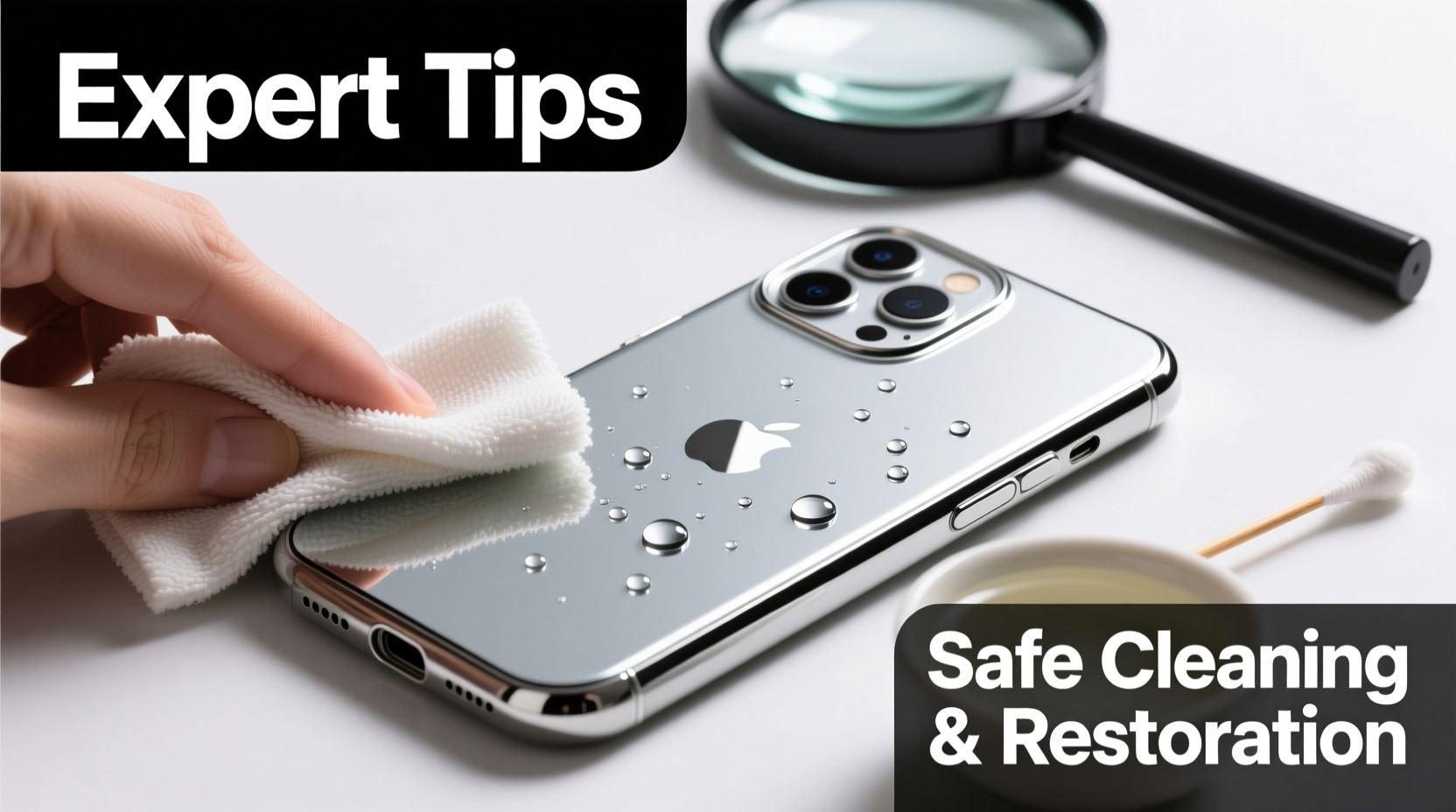
Electroplating involves depositing a thin layer of metal—often chrome, nickel, or copper—onto a conductive surface using an electric current. In the context of phone cases, a plastic base is first coated with a conductive primer, then immersed in a metallic solution where a precise electrical charge bonds the metal ions to the surface. This creates a durable yet delicate mirror-like finish.
The final layer is typically sealed with a clear lacquer or UV-resistant coating to prevent corrosion and scratching. Despite this protection, prolonged exposure to moisture, oils, abrasive materials, and harsh cleaners can degrade the plating over time. Unlike stainless steel or solid metal, these finishes cannot be re-polished aggressively. Restoration must be gentle, targeted, and preventive.
“Electroplated surfaces are beautiful but unforgiving. A single misuse of ammonia-based cleaner can etch the metal layer permanently.” — Dr. Lena Torres, Materials Scientist at Urban Tech Labs
Step-by-Step Guide to Safe Cleaning and Restoration
Cleaning a mirror phone case isn’t just about wiping it down—it’s about preserving the integrity of the plating while removing contaminants that compromise appearance and longevity. Follow this methodical approach to clean and revive your case effectively.
- Dry Dust Removal: Start by using a microfiber cloth to gently wipe away loose dust, lint, and debris. Avoid paper towels or rough fabrics, which can cause micro-scratches.
- Prepare a Mild Cleaning Solution: Mix one part distilled water with one part isopropyl alcohol (70% concentration). Add one drop of pH-neutral dish soap per two tablespoons of solution. This blend cuts through oils without attacking the lacquer sealant.
- Moisten Cloth, Not Case: Dampen a second microfiber cloth with the solution—never spray directly on the case. Excess liquid can seep into seams and degrade adhesive layers or internal plating.
- Gentle Wiping Motion: Use straight-line strokes from top to bottom (avoid circular motions) to minimize visible swirl marks. Apply light pressure only.
- Dry Immediately: After cleaning, use a dry section of the microfiber cloth to buff the surface until completely dry and streak-free.
- Inspect for Oxidation: If you notice hazy spots, rainbow tints, or dull patches, mild oxidation may have begun. Address this in the restoration phase.
Restoration Techniques for Damaged or Dull Finishes
If your case has lost its luster due to environmental exposure or improper handling, full restoration may not always be possible—but significant improvement is achievable with careful intervention.
For Light Scratches and Hazing
Use a non-abrasive metal polish formulated for chrome or plated surfaces (e.g., Flitz or Wenol). Apply a pea-sized amount to a soft cloth and rub gently along the scratch direction. Buff off immediately with a clean microfiber cloth. Do not leave residue; prolonged contact can eat through the lacquer.
For Oxidation and Tarnish
Mild tarnish appears as yellowish or iridescent film. Dampen a cotton swab with white vinegar and lightly dab affected areas—do not rub. Wait 15 seconds, then wipe with a damp microfiber cloth and dry thoroughly. Vinegar’s acidity helps dissolve early-stage oxidation without harming the base metal.
Re-Sealing the Surface (Optional)
After deep cleaning, consider applying a clear nano-coating spray designed for electronics or automotive finishes. These sprays add a hydrophobic, anti-fingerprint layer that enhances durability. Choose products labeled safe for plastics and metals. Apply in a well-ventilated area with even, light misting. Let cure for at least 2 hours.
| Action | Recommended | Avoid |
|---|---|---|
| Cleaning Cloth | Microfiber | Paper towel, denim, rough fabric |
| Cleaning Solution | Distilled water + isopropyl alcohol + mild soap | Windex, bleach, acetone, vinegar (undiluted) |
| Drying Method | Immediate buffing with dry microfiber | Air drying, hairdryer heat |
| Storage | Soft pouch, low-humidity drawer | Sunlit windowsill, bathroom counter |
Preventive Care Checklist
- ✅ Clean your case weekly with a dry microfiber cloth
- ✅ Handle your phone with clean hands to reduce oil transfer
- ✅ Store the case in a breathable fabric pouch when not in use
- ✅ Avoid placing the phone on rough surfaces like concrete or gravel
- ✅ Reapply a protective nano-coating every 6–8 weeks
- ✅ Keep the case away from perfumes, lotions, and chlorine
Real Example: Recovering a Faded Case
Sophia, a graphic designer from Portland, noticed her rose-gold mirror case had developed a cloudy film after six months of daily use. She initially tried cleaning it with a household glass cleaner, which worsened the haze. Upon consulting a tech accessories specialist, she learned the ammonia in the cleaner had degraded the lacquer. Following a restoration protocol involving distilled water-alcohol wipes, a chrome-safe polish, and a nano-sealant, her case regained 90% of its original reflectivity. She now cleans it weekly and stores it in a lined jewelry box when traveling—preventing further damage.
Frequently Asked Questions
Can I use toothpaste to remove scratches?
No. While some suggest toothpaste as a DIY polish, most contain mild abrasives that can permanently scratch the thin electroplated layer. Stick to metal polishes specifically designed for delicate finishes.
Why does my case turn yellow over time?
Yellowing is often caused by UV exposure breaking down the clear topcoat, or by oxidation of the underlying metal layer. It can also result from prolonged contact with skin oils and airborne pollutants. Regular cleaning and proper storage slow this process significantly.
Is it safe to use compressed air around the edges?
Yes, but with caution. Use short bursts and hold the can upright to avoid propellant discharge. Compressed air helps remove debris from crevices without introducing moisture or physical abrasion.
Final Thoughts and Action Plan
Your electroplated mirror phone case is more than an accessory—it's a statement piece that reflects your personal style. But its beauty depends on consistent, informed care. Aggressive cleaning, improper storage, and ignorance of material limitations can turn a premium case into a scratched, tarnished shell within months.
By understanding how electroplating works, adopting a gentle cleaning routine, and intervening early when signs of wear appear, you extend both the life and aesthetic value of your case. Think of maintenance not as a chore, but as preservation of craftsmanship.
Start today: inspect your case under bright light, clean it using the recommended solution, and store it properly. Share your results or questions below—your experience could help others protect their devices with confidence.




 浙公网安备
33010002000092号
浙公网安备
33010002000092号 浙B2-20120091-4
Comments
No comments yet. Why don't you start the discussion?