
A well-crafted woolen coat is a cornerstone of cold-weather dressing. Designed to endure seasonal shifts, it should serve you reliably from the crisp days of autumn through the deep freeze of winter. Yet many wearers find their coats lacking as temperatures plummet—either in warmth, functionality, or appearance. The key lies not in replacing the coat, but in adapting how you care for and wear it. With thoughtful maintenance, strategic layering, and smart storage habits, you can extend both the performance and lifespan of your woolen outerwear across the full cold season.
Understand Your Wool: Know What You’re Working With
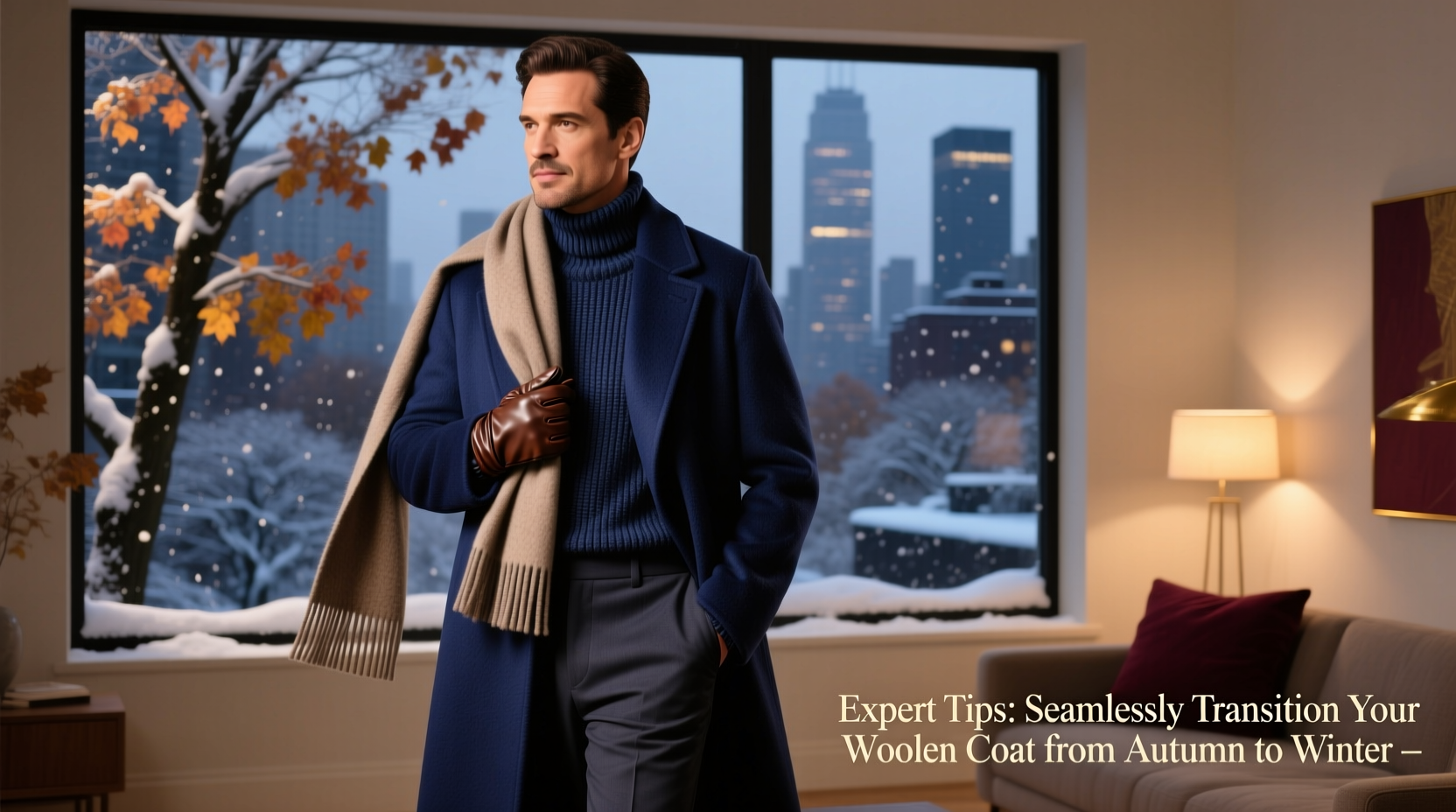
Not all wool is created equal. The type of wool, blend composition, weave density, and finish all influence how your coat performs as seasons shift. Common variations include:
- Merino wool: Soft, breathable, and moisture-wicking—ideal for milder autumn days but may need reinforcement in heavy winter conditions.
- Shetland or lambswool: Denser and warmer, better suited for early winter transitions.
- Blends with cashmere or alpaca: Luxuriously warm but more delicate; require extra protection from snow and humidity.
- Coated wool (e.g., melton or boiled wool): Wind-resistant and structured, excellent for sustained winter wear.
Check the garment label before making any adjustments. A lightweight unlined merino duffle may struggle in sub-zero weather unless layered intelligently, while a heavyweight double-breasted overcoat in dense melton wool might be overkill during October but perfect come January.
“Wool’s natural resilience makes it ideal for seasonal transition, but only if treated according to its specific characteristics.” — Daniel Reeves, Textile Conservation Specialist, Royal School of Needlework
Seasonal Care: Maintaining Performance Through Temperature Shifts
As outdoor conditions change, so too must your maintenance routine. Autumn brings damp leaves and sporadic rain; winter introduces salted sidewalks, snow, and indoor heating—all of which degrade wool over time.
To preserve integrity:
- Brush regularly: Use a soft clothes brush weekly to lift dust and realign fibers, especially after exposure to urban pollutants or road salt.
- Spot clean promptly: Winter grime sticks easily. Address stains immediately with a damp microfiber cloth and mild wool-safe detergent.
- Avoid frequent washing: Over-cleaning strips natural lanolin, leading to brittleness. Dry clean only 1–2 times per season, max.
- Use cedar wisely: Cedar blocks deter moths but can dry out wool if placed directly against fabric. Wrap them in muslin or store them separately in the closet.
Do’s and Don’ts of Wool Coat Maintenance
| Action | Do | Don't |
|---|---|---|
| Storing between seasons | In a breathable cotton garment bag, in a cool, dark closet | In plastic bins or vacuum-sealed bags (traps moisture) |
| Drying after rain/snow | Hang naturally indoors, away from radiators | Place near heaters or use a hairdryer |
| Dealing with odors | Airing overnight in a dry bathroom post-shower | Spraying perfumes or aerosols directly on fabric |
| Removing wrinkles | Use a steamer at arm’s length | Apply an iron directly without a pressing cloth |
Smart Layering: Bridging the Warmth Gap
The most effective way to transition your coat isn’t by changing the coat itself—but by adjusting what goes underneath. As autumn gives way to winter, build up thermal protection beneath the wool shell without compromising style or mobility.
Start with a moisture-wicking base layer such as fine merino wool or silk long-sleeve tops. Add a mid-layer like a fitted turtleneck sweater or quilted vest—avoid bulky knits that strain buttons or distort the coat’s silhouette. For extreme cold, consider a thin down or synthetic puffer gilet that packs warmth into the core without adding bulk to the arms.
Footwear and accessories also play a role. Swap ankle boots for insulated lace-ups, add thermal-lined gloves, and upgrade from a lightweight scarf to a fulled wool or cashmere wrap that tucks neatly under the collar.
Real-World Example: Transitioning in a Variable Climate
Consider Sarah, a professional based in Montreal, where October highs average 12°C (54°F), but January lows dip to -15°C (5°F). Her navy wool Chesterfield coat sees daily use from September through March. In early fall, she wears it over a shirt and cardigan. By November, she adds a merino turtleneck and silk scarf. Come December, she incorporates a slim down vest under the coat and switches to a hooded thermal parka liner for walks to transit. She brushes the coat every Friday, stores it on a wide wooden hanger, and has it professionally cleaned only once in February. The result? A coat that remains structurally sound and visually sharp after five consecutive seasons.
Step-by-Step Guide: Preparing Your Coat for Winter
Follow this six-week timeline to ensure your woolen coat evolves smoothly into winter-ready status:
- Week 6 (Late Autumn): Inspect for moth damage, loose buttons, or frayed seams. Repair minor issues now before cold sets in.
- Week 5: Clean gently—brush thoroughly and spot-treat any lingering stains.
- Week 4: Test layering combinations at home to assess comfort, range of motion, and visual balance.
- Week 3: Introduce heavier mid-layers gradually as temperatures drop below 7°C (45°F).
- Week 2: Apply a water-repellent spray formulated for wool (not silicone-based) to improve resistance to slush and sleet.
- Week 1: Rotate out autumn accessories (light scarves, leather gloves) and replace with winter-grade equivalents.
“Layering isn’t just about warmth—it’s about preserving the coat’s structure. Overstuffing leads to shoulder stretching and lapel warping.” — Lena Moreau, Menswear Tailor & Outerwear Consultant
Frequently Asked Questions
Can I wear my wool coat in the snow?
Yes, but with precautions. Short exposure to dry snow is generally safe. Avoid prolonged contact with wet snow or slush, which can saturate the fabric and lead to water spots or shrinkage. If your coat gets wet, dry it slowly at room temperature and brush once fully dry.
How do I prevent static buildup in heated indoor environments?
Static is common in low-humidity winter interiors. Reduce it by using a humidifier at home or work, applying a light anti-static spray to inner linings, or wearing natural-fiber underlayers like cotton or silk instead of synthetics.
Is it okay to store my coat in the car during cold snaps?
No. While cold itself won’t harm wool, repeated temperature swings—from freezing car to heated building—cause fibers to expand and contract, weakening them over time. Additionally, condensation inside the vehicle can lead to mildew. Always bring your coat indoors.
Final Thoughts: Make One Coat Work All Season
A high-quality woolen coat is an investment worth protecting. By understanding its material limits, maintaining it diligently, and adapting your layering strategy, you can rely on a single piece for months without sacrificing warmth, elegance, or durability. The transition from autumn to winter doesn’t demand a new wardrobe—just smarter habits.




 浙公网安备
33010002000092号
浙公网安备
33010002000092号 浙B2-20120091-4
Comments
No comments yet. Why don't you start the discussion?