
Every morning begins with a ritual: brewing coffee and reaching for a favorite cup. But not all ceramic mugs are built to endure daily use, temperature shifts, or years of washing. Many break, chip, or lose their luster within months. Selecting a truly durable ceramic coffee cup isn’t just about aesthetics—it’s about craftsmanship, material integrity, and thoughtful design. With the right knowledge, you can invest in mugs that survive the long haul while enhancing your coffee experience.
Understand Ceramic Types: Not All Clay Is Created Equal
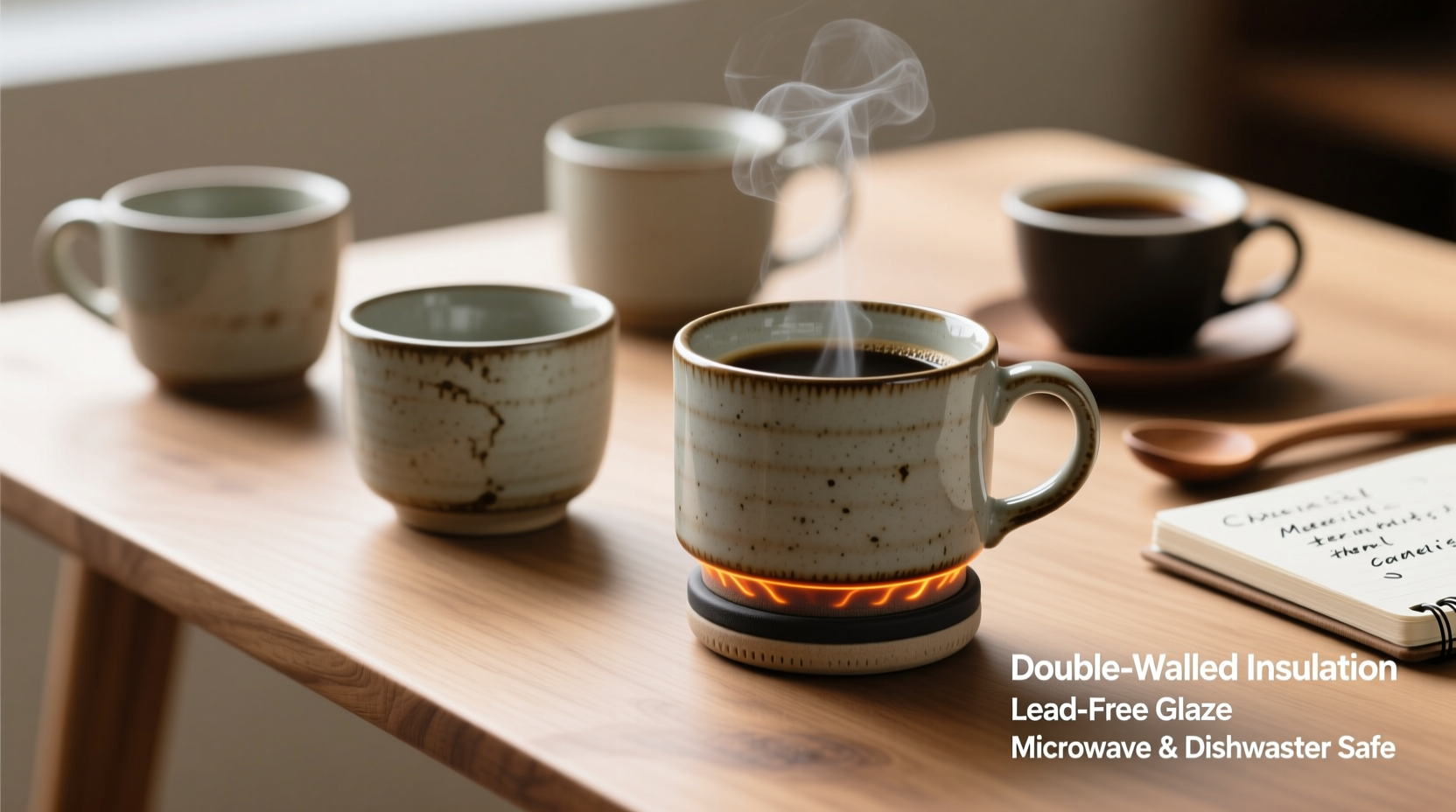
Ceramic coffee cups are typically made from one of three clay bodies: earthenware, stoneware, or porcelain. Each has distinct durability characteristics.
- Earthenware: Fired at lower temperatures (around 1,000–1,150°C), it’s porous and more prone to chipping. Often glazed for protection, but generally less durable than other types.
- Stoneware: Fired between 1,200–1,300°C, this dense, non-porous material is highly resistant to thermal shock and physical wear—ideal for everyday use.
- Porcelain: Made from refined kaolin clay and fired at even higher temperatures, porcelain is strong, smooth, and often translucent. While elegant, it can be brittle if thin-walled.
For long-term performance, stoneware is the top choice. It balances strength, weight, and resistance to cracking when exposed to boiling water or dishwashers.
Evaluate Glaze Quality and Application
The glaze isn’t just decorative; it’s a functional shield. A high-quality glaze seals the ceramic body, preventing liquid absorption, staining, and bacterial growth. Poorly applied glazes can crack, craze (develop fine surface cracks), or leach harmful substances over time.
Check for these signs of a reliable glaze:
- Smooth, even finish without pinholes or bumps
- No visible bare spots where clay is exposed
- Resistance to scratching (test gently with a metal spoon edge)
- Lead-free certification, especially important for brightly colored glazes
“Glaze integrity is as critical as the clay body. A mug may look beautiful, but if the glaze crazes after a few washes, it’s already failing.” — Dr. Lena Torres, Materials Scientist & Ceramics Researcher
Anatomy of a Durable Mug: Design Matters
Beyond material, the physical design influences longevity. Consider these structural elements:
| Feature | Durable Choice | Avoid |
|---|---|---|
| Wall Thickness | 4–6mm (balanced insulation and strength) | Thin walls (<3mm) that feel fragile |
| Handle Design | Reinforced joint, wide grip, seamless attachment | Narrow handles or weak base connections |
| Rim Shape | Slightly rounded or rolled edge | Sharp or uneven rim that chips easily |
| Base Stability | Flat, wide base with no wobble | Curved or narrow bottom that tips easily |
A well-designed handle, for example, should be attached with extra clay or a dovetail join before firing—this prevents separation over time. The rim should deliver coffee smoothly to the lips without catching or feeling rough.
Real-World Test: How One Café Reduced Mug Replacement by 70%
A specialty coffee shop in Portland switched suppliers after replacing over 200 mugs annually due to cracking and handle breakage. Their new criteria included high-fire stoneware, lead-free glazes, and ergonomic handles tested under stress. Within a year, breakage dropped to under 60 mugs—despite serving over 1,000 customers daily.
The manager noted: “We didn’t go for the cheapest option or the most artistic. We chose mugs engineered for endurance. Now our baristas aren’t apologizing for chipped rims, and customers comment on how substantial the cups feel.”
This case underscores a simple truth: durability pays off in both cost savings and customer satisfaction.
Step-by-Step Guide to Choosing Your Next Ceramic Coffee Cup
Follow this process to ensure you’re selecting a mug that will last:
- Identify the material: Check product details for stoneware or porcelain. Avoid vague terms like “ceramic” without specifics.
- Inspect the glaze: Shine a light across the surface. Look for consistency and absence of cracks or bubbles.
- Test the weight and balance: A heavier mug (without being bulky) often indicates thicker walls and denser clay.
- Examine the handle: Grip it firmly. Does it feel secure? Is there a thick junction where it meets the cup?
- Verify safety standards: Look for FDA-compliant or lead-free certifications, especially for imported ceramics.
- Review care instructions: Dishwasher and microwave safety are signs of robust construction—but handwashing still extends life.
- Read user reviews: Focus on long-term feedback: “Still using after two years” carries more weight than “beautiful out of the box.”
Common Pitfalls That Shorten Mug Lifespan
Even the best ceramic cup can fail prematurely with improper use. Avoid these mistakes:
- Sudden temperature changes: Never pour boiling water into a cold mug straight from storage. Let it warm slightly first.
- Microwaving empty or cracked mugs: This can cause thermal shock and further damage.
- Stacking aggressively: Overstacking in cabinets leads to rim chipping. Use felt liners or store separately.
- Using abrasive cleaners: Steel wool or harsh powders scratch glazes, creating weak points for stains and cracks.
Frequently Asked Questions
Are handmade ceramic cups less durable than mass-produced ones?
Not necessarily. Handmade cups from skilled artisans often use high-quality clays and careful firing techniques. However, consistency varies. Look for evidence of high-temperature firing and food-safe glazes, regardless of production method.
Can I repair a cracked ceramic coffee cup?
Superficial hairline cracks (crazing) in the glaze may not compromise safety but can harbor bacteria. Structural cracks in the body should not be repaired for drinkware use. Epoxy fixes are temporary and not food-safe. Replace any cup with visible body cracks.
How long should a good ceramic coffee cup last?
With proper care, a high-quality stoneware or porcelain mug should last 5–10 years or more. Some users report decades of daily use with minimal wear. Longevity depends on material, usage frequency, and handling habits.
Final Checklist Before You Buy
Before adding a ceramic coffee cup to your cart, verify the following:
- ✅ Made from high-fire stoneware or vitrified porcelain
- ✅ Fully glazed interior and exterior, including the base
- ✅ Lead-free and food-safe certified glaze
- ✅ Handle securely attached with no thin joints
- ✅ Wall thickness between 4–6mm
- ✅ Smooth, chip-resistant rim
- ✅ Dishwasher and microwave safe (if desired)
- ✅ Positive long-term user reviews mentioning durability
Conclusion: Invest in Mugs That Earn Their Place on Your Counter
A durable ceramic coffee cup is more than a vessel—it’s a daily companion. By prioritizing material science, structural design, and manufacturing quality, you avoid the cycle of replacement and enjoy a consistent, satisfying experience with every brew. Whether you're outfitting a home kitchen or a bustling café, the right mug stands up to heat, washing, and time without compromise.




 浙公网安备
33010002000092号
浙公网安备
33010002000092号 浙B2-20120091-4
Comments
No comments yet. Why don't you start the discussion?