
A keychain may seem like a small, insignificant accessory, but its daily use subjects it to constant stress—jostling in pockets, exposure to moisture, drops, and friction against hard surfaces. Over time, poorly made keychains crack, snap, or corrode, leaving you with lost keys or an unsightly chunk of broken metal. Choosing a durable keychain isn’t just about aesthetics; it’s about function, longevity, and peace of mind. With so many options on the market, from flimsy souvenirs to precision-machined tools, knowing what to look for can save you time, money, and frustration.
Understand Material Strength and Longevity
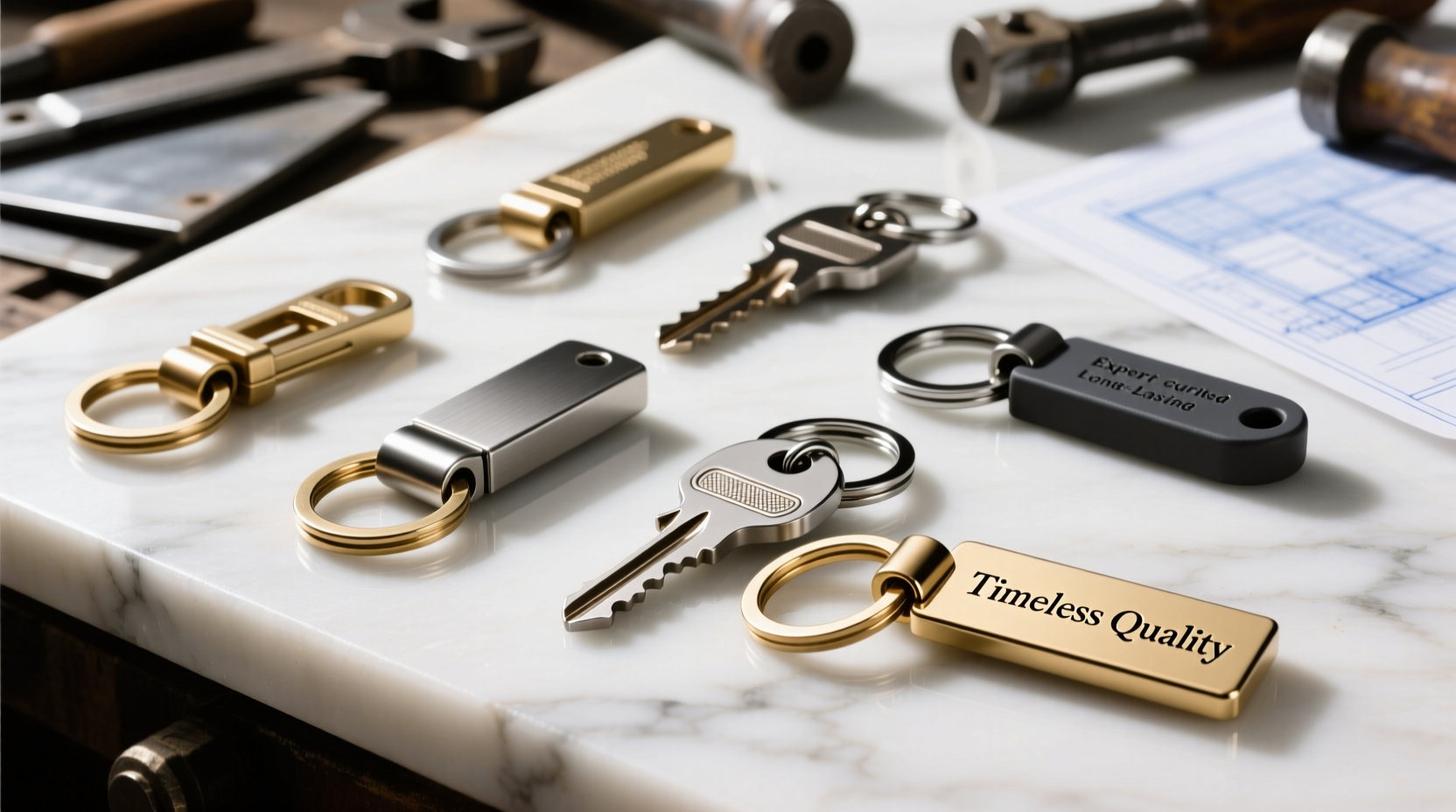
The foundation of any durable keychain lies in its material. Different materials offer varying levels of resistance to wear, corrosion, and impact. While some are chosen for style, others are engineered for endurance.
- Stainless Steel: Resistant to rust and corrosion, stainless steel is one of the most reliable choices. Look for grades like 304 or 316, which offer superior protection against moisture and salt—ideal for outdoor enthusiasts or those living in humid climates.
- Titanium: Lightweight yet incredibly strong, titanium resists corrosion and maintains integrity under extreme conditions. It’s commonly used in aerospace and diving gear, making it excellent for rugged use.
- Brass: Naturally antimicrobial and dense, brass develops a patina over time rather than rusting. High-quality brass keychains age beautifully, though they require occasional polishing if you prefer a shiny finish.
- Aluminum Alloys: Light and corrosion-resistant, but less durable than steel or titanium. Best suited for decorative or lightweight applications where strength isn’t critical.
- Paracord or Dyneema: Synthetic fibers used in tactical and survival keychains. These add flexibility and emergency utility (e.g., tying gear), but only last long if properly knotted and UV-protected.
Evaluate Build Quality and Engineering Design
Even the best materials fail when poorly constructed. A well-designed keychain should distribute stress evenly and minimize weak points.
Pay attention to these engineering details:
- Welded vs. Soldered Joints: Welded connections are stronger and more permanent. Soldered joints can degrade under repeated strain.
- Ring Diameter and Thickness: Key rings thinner than 3mm often bend or pop open. Opt for at least 4mm thickness and a diameter large enough to fit multiple keys without crowding.
- Attachment Mechanism: Spring-loaded clasps, carabiners, or captive rings are preferable to simple split rings. They reduce the risk of accidental detachment while allowing easy access.
- Smooth Edges and Finish: Rough welds or sharp burrs indicate low manufacturing standards and can damage pockets or bags over time.
“Durable doesn’t mean indestructible—it means intelligently designed. The weakest link in any keychain is usually the connection point.” — Marcus Lin, Industrial Designer & Tool Specialist
Real-World Testing: How One Traveler Chose His Keychain
James R., a field researcher who travels across Southeast Asia, needed a keychain that could survive jungle humidity, monsoon rains, and daily motorcycle commutes. After losing three plastic and chrome-plated keychains to corrosion and breakage, he tested four models over six months.
He eliminated two immediately—one cracked after being dropped on concrete, another developed rust within weeks despite “water-resistant” claims. The final contenders were a 316L stainless steel carabiner and a titanium split-ring design.
After rigorous daily use—including attaching heavy tools and submerging during river crossings—the stainless steel model emerged as the winner. Its thicker gate mechanism resisted bending, and the brushed finish showed minimal wear. James concluded that while titanium was lighter, the steel version offered better structural resilience for his needs.
Do’s and Don’ts: Quick Reference Table
| Do | Don't |
|---|---|
| Choose solid metal construction over hollow or plated parts | Buy ultra-cheap keychains advertised as “heavy-duty” without reviews |
| Inspect moving parts (clasps, hinges) for smooth operation and tight tolerances | Use decorative enamel or glass inserts in high-impact environments |
| Select designs with rounded edges to prevent fabric snagging | Overload your keychain with unnecessary weight |
| Opt for modular systems that allow adding/removing items easily | Assume all “tactical” labels mean durability—verify specs instead |
Step-by-Step Guide to Selecting Your Ideal Keychain
Follow this practical sequence to ensure you’re investing in a truly durable option:
- Define Your Use Case: Are you carrying gym keys, house keys, car fob, or outdoor tools? Heavy loads need robust hardware.
- Set a Realistic Budget: Durable keychains range from $15–$50. Spending less often means sacrificing quality control.
- Research Materials: Prioritize stainless steel, titanium, or reinforced polymers like Delrin.
- Check Customer Reviews: Look for long-term feedback mentioning drop tests, corrosion resistance, or wear after months of use.
- Test the Mechanism: If buying in person, open and close the clasp repeatedly. It should feel secure without sticking.
- Verify Weight Capacity: Some premium brands list load limits (e.g., 22 lbs). Match this to your total key weight.
- Purchase from Reputable Brands: Companies like Nite Ize, FlexFire Tools, and Maxpedition have proven track records.
Frequently Asked Questions
Can a keychain be both stylish and durable?
Absolutely. Many modern brands combine minimalist design with industrial-grade materials. Laser engraving on titanium or matte-finished steel offers personalization without compromising strength.
How do I maintain my metal keychain?
Wipe it down monthly with a soft cloth and mild soapy water. For stainless steel or titanium, dry thoroughly. Avoid bleach or abrasive cleaners. Occasionally lubricate moving parts with a drop of silicone oil.
Are leather keychains durable?
High-quality full-grain leather can last years, especially when waxed. However, it’s not ideal for wet or dirty environments. Best paired with metal components for added reliability.
Final Checklist Before You Buy
- ✅ Is the material corrosion-resistant (e.g., stainless steel, titanium)?
- ✅ Are joints welded or securely fastened?
- ✅ Does the clasp stay closed under movement?
- ✅ Is the ring thick enough to support your key load?
- ✅ Has it been reviewed by users with similar lifestyles?
- ✅ Does it come with a warranty or satisfaction guarantee?
Conclusion: Choose Smart, Carry Confidently
Selecting a durable keychain isn’t about chasing trends or flashy designs—it’s about making a smart, informed decision that supports your daily life. Whether you're a commuter, adventurer, or simply someone who values reliability, investing in a well-made keychain pays off in convenience, safety, and long-term savings. By focusing on material integrity, thoughtful engineering, and real-world performance, you can find a keychain that won’t let you down when you need it most.




 浙公网安备
33010002000092号
浙公网安备
33010002000092号 浙B2-20120091-4
Comments
No comments yet. Why don't you start the discussion?