
A well-chosen decorative tray can transform a cluttered surface into a curated vignette, adding cohesion, elegance, and purpose to any space. Whether placed on a coffee table, console, or dining surface, trays serve as both functional organizers and stylistic anchors. Yet, one of the most overlooked aspects in styling is size—selecting a tray that’s too large overwhelms a surface, while one that’s too small gets lost in the composition. The right size enhances proportion, supports visual balance, and elevates your entire decor scheme.
Understanding how to choose the ideal tray dimensions requires more than just measuring shelf space. It involves evaluating room scale, furniture proportions, intended use, and aesthetic harmony. With expert insight and practical guidelines, you can confidently select a tray that doesn’t just fit—but enhances—your interior design.
Understand Your Surface Proportions
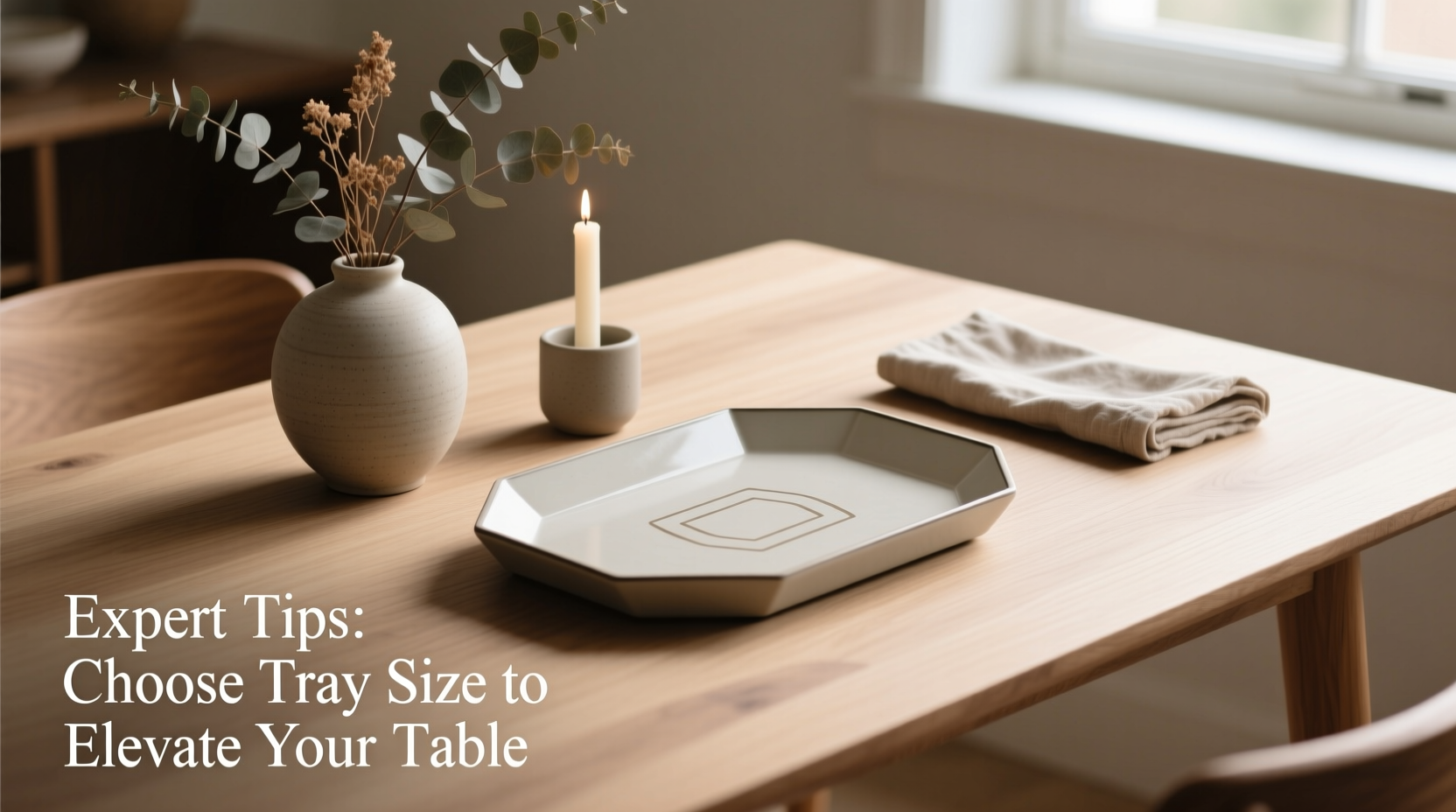
The foundation of choosing the right tray begins with the surface it will occupy. A general rule: a decorative tray should occupy no more than two-thirds of the usable surface area. This ensures breathing room around the edges, preventing a crowded appearance.
For example, on a standard 48-inch wide console table (typically 12–16 inches deep), a tray between 18 and 30 inches in length maintains visual balance. On a smaller accent table (around 24 inches wide), aim for a tray under 16 inches. Always leave at least 4–6 inches of clearance on all sides unless intentionally layering within a larger composition.
Match Tray Size to Room Scale and Furniture
Interior design is about context. A tray that looks elegant in a spacious living room may appear oversized in a cozy reading nook. Consider the room’s overall scale when selecting tray dimensions.
- Large rooms with oversized furniture: Opt for trays 20 inches or longer. These anchor expansive surfaces and support bolder arrangements like stacked books, candles, and vases.
- Mid-sized spaces: Choose medium trays (12–18 inches). They work well on side tables, mantels, or ottomans, offering enough space for grouping items without dominating the scene.
- Compact areas: Small trays (6–10 inches) are ideal for nightstands, entryway shelves, or bathroom vanities where space is limited but style still matters.
Remember, the height and depth of surrounding furniture matter too. A low-profile tray on a tall console may look disconnected, while a deep tray on a shallow table risks overhang and imbalance.
Function First: What Will You Style on It?
The intended contents of your tray influence its ideal size. Ask yourself: Is this tray for daily essentials, seasonal decor, or purely aesthetic display?
| Tray Use | Recommended Size Range | Common Contents |
|---|---|---|
| Daily organization | 10–14 inches | Keys, sunglasses, wallet, small dish |
| Centerpiece styling | 16–24 inches | Candles, greenery, books, sculptural objects |
| Bar or beverage service | 18–30 inches | Glasses, bottles, cocktail shaker, napkins |
| Bathroom or vanity | 6–10 inches | Perfume, hand cream, jewelry dish |
| Entryway drop zone | 12–18 inches | Mail holder, catchall bowl, small mirror |
If you plan to include taller elements like candlesticks or vases, ensure the tray has enough surface area to prevent tipping hazards. Wider trays offer greater stability for asymmetrical arrangements.
“A tray isn't just a container—it's a frame for your story. The right size keeps the narrative balanced and intentional.” — Lila Monroe, Interior Stylist & Author of *Curated Living*
Step-by-Step Guide to Finding Your Ideal Tray Size
Selecting the perfect tray doesn’t have to be guesswork. Follow this five-step process to make an informed decision every time.
- Measure your surface: Record the width and depth of the table or shelf where the tray will sit. Note any obstructions like lamps or wall edges.
- Determine primary function: Will it organize, serve, or decorate? This defines how much space you’ll need for items.
- Calculate ideal dimensions: Multiply the surface width by 0.5 and 0.67. Your ideal tray length falls within this range. For depth, stay below 75% of the surface depth.
- Visualize the layout: Sketch a simple top-down view or use tape to mark boundaries. Arrange mock items (books, mugs) to test spacing.
- Consider negative space: Leave open areas around and within the tray composition. Clutter negates elegance, regardless of size.
Real-World Example: Transforming a Cluttered Entryway
Sarah, a homeowner in Portland, struggled with a chaotic entry table piled with mail, keys, and loose change. She purchased a narrow 8x14 inch wooden tray thinking it would help—but it was too small to hold everything neatly. After reassessing, she measured her 30-inch wide console and selected a 20x10 inch woven rattan tray. This gave her ample room to place a ceramic dish for keys, a slim mail sorter, and a small potted plant. The new size created order without overwhelming the modest space. “It finally feels intentional,” she said. “The tray is big enough to corral, but not so big it eats up the table.”
This case illustrates how proper sizing turns functionality into artistry. The upgrade wasn’t in material or color—it was in proportion.
Common Sizing Mistakes to Avoid
Even experienced decorators misjudge tray dimensions. Watch out for these frequent errors:
- Choosing based on aesthetics alone: A stunning brass tray won’t work if it overpowers the surface.
- Ignoring vertical clearance: Tall items on a large tray may hit nearby lamps or artwork.
- Overfilling small trays: Crowding defeats the purpose of organization and creates visual noise.
- Using multiple mismatched trays: Unless intentionally layered, multiple trays can fragment focus.
When in doubt, opt for slightly smaller rather than larger. A modest tray styled with care always outperforms an oversized one crammed with unrelated items.
Frequently Asked Questions
How do I know if a tray is too big for my coffee table?
If the tray extends beyond the central third of the table or leaves less than 4 inches of space around the perimeter, it’s likely too large. It should feel like a featured element, not the entire surface.
Can I use different tray sizes in the same room?
Yes—layering sizes adds depth. For example, pair a large 24-inch tray on a coffee table with a small 8-inch tray on a side table. Just maintain a cohesive material or color theme to unify the look.
What’s the best tray size for a TV stand?
TV stands vary, but most are 42–60 inches wide. A tray between 18 and 24 inches works well for remotes, coasters, and a small decorative object. Avoid placing it directly under the television to prevent visual competition.
Final Thoughts: Style Meets Intention
Selecting the perfect decorative tray size is an exercise in mindful design. It’s not merely about filling space, but about enhancing flow, function, and aesthetic harmony. When proportion is respected, even the simplest tray becomes a focal point—a quiet declaration of thoughtfulness in your home.
Start by measuring, then consider use, room scale, and personal habits. Test layouts before finalizing, and don’t rush the choice. The right tray doesn’t just hold objects; it holds attention.




 浙公网安备
33010002000092号
浙公网安备
33010002000092号 浙B2-20120091-4
Comments
No comments yet. Why don't you start the discussion?