
Choosing the right toy for a child isn’t just about fun—it’s about laying the foundation for lifelong skills. Among the most effective developmental tools are stitch building block sets, which combine tactile engagement with open-ended creativity. These interlocking bricks do more than entertain; they strengthen fine motor control, encourage spatial reasoning, and foster problem-solving abilities. But with countless options on the market, how do you choose the best one for your child’s age, interests, and growth needs? The answer lies in understanding key design features, safety standards, and developmental alignment.
Why Stitch Building Blocks Matter in Early Development
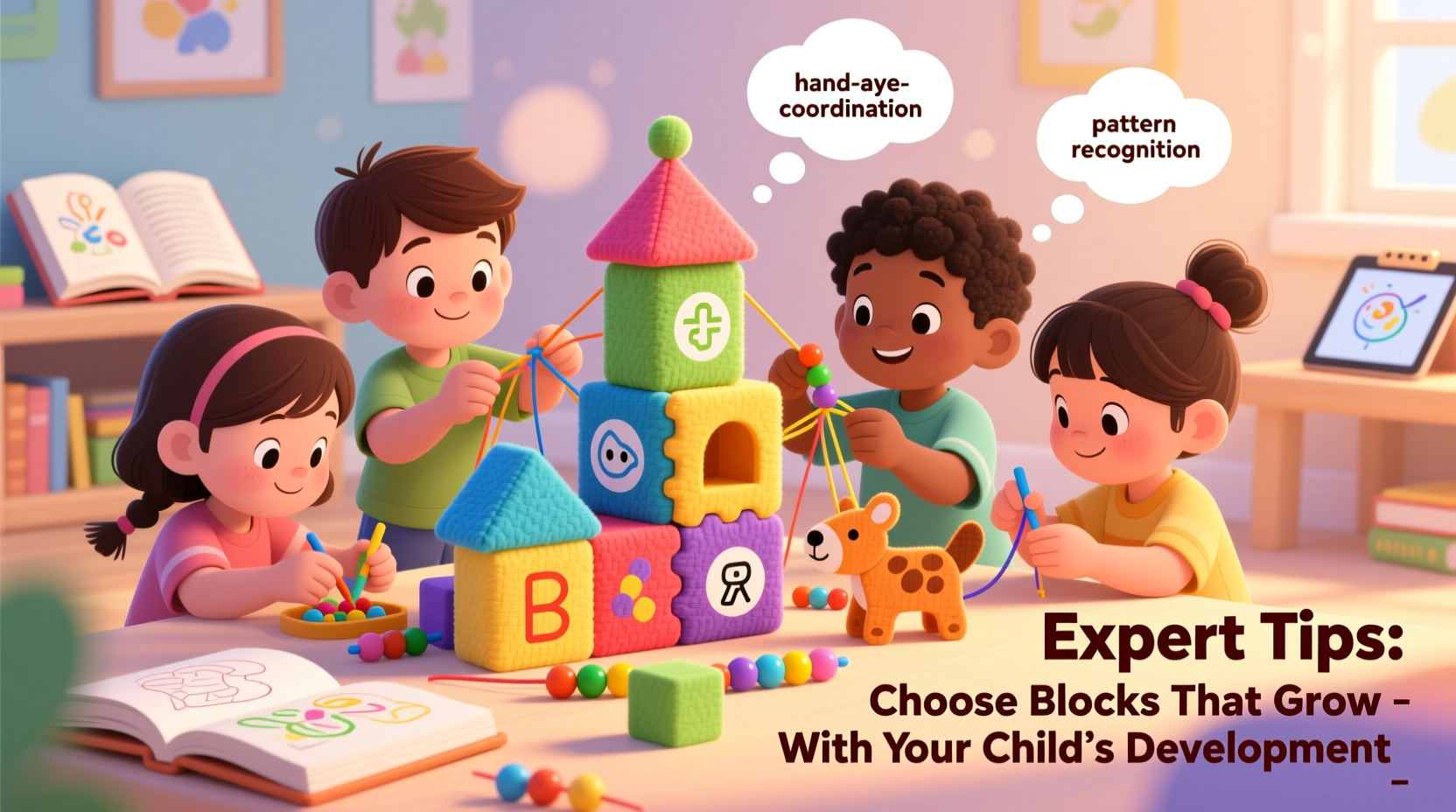
Stitch building blocks—often referred to as construction or linking blocks—are uniquely positioned to support multiple areas of childhood development. Unlike passive toys, these sets require active manipulation, planning, and imagination. When children connect blocks, they’re not just stacking plastic—they're refining hand-eye coordination, learning cause and effect, and experimenting with balance and symmetry.
According to Dr. Lena Patel, pediatric developmental specialist at the Children’s Learning Institute, “Manipulative play with structured materials like building blocks activates neural pathways linked to executive function, including focus, planning, and self-regulation.” This kind of hands-on exploration is especially valuable between ages 2 and 8, when foundational cognitive and motor skills are rapidly forming.
“Children who engage regularly with construction toys show stronger visual-spatial skills and better performance in early math tasks.” — Dr. Lena Patel, Pediatric Developmental Specialist
Key Features to Look for in a High-Quality Set
Not all block sets are created equal. To maximize developmental benefits, prioritize sets with thoughtful design, durability, and educational value. Below are essential characteristics to evaluate before purchasing:
- Size and Grip: Blocks should be large enough to prevent choking hazards but small enough to challenge finger dexterity. For toddlers (ages 2–4), pieces around 1.5–2 inches work best.
- Interlocking Mechanism: A secure yet manageable connection ensures children can build without frustration while developing finger strength.
- Material Quality: Opt for BPA-free, non-toxic plastics that meet ASTM F963 or EN71 safety standards. Avoid brittle or sharp-edged components.
- Color Variety: Bright, high-contrast colors stimulate visual processing and aid color recognition, especially in younger children.
- Compatibility: Choose brands that allow integration with other popular systems, enabling future expansion and versatility.
Matching the Set to Your Child’s Age and Stage
Selecting the right complexity level is crucial. Too advanced, and frustration sets in; too simple, and engagement wanes. Consider this age-based framework when evaluating options:
| Age Group | Recommended Features | Developmental Focus |
|---|---|---|
| 2–3 years | Large, soft-touch blocks; simple shapes (animals, vehicles); picture-guided builds | Fine motor skills, object recognition, cause-effect understanding |
| 4–5 years | Moderate piece count (50–100); themed sets (space, farm, city); beginner instructions | Sequencing, storytelling, following directions |
| 6–8 years | Smaller pieces; complex builds; moving parts (wheels, hinges); challenge cards | Problem-solving, spatial reasoning, patience and persistence |
| 9+ years | Advanced kits with gears, motors, or coding elements; modular designs | Engineering thinking, logic, creativity under constraints |
Real Example: How One Family Found the Right Fit
The Thompson family struggled to find a building set that held their 4-year-old daughter Mia’s attention. She quickly lost interest in puzzles and had trouble with small pieces. After consulting with her preschool teacher, they chose a large-format stitch block set featuring jungle animals and chunky connectors. Each block had textured surfaces and vibrant patterns, making them easier to grip and visually engaging. Within weeks, Mia was constructing giraffes and elephants independently, narrating stories as she built. Her mother noted, “It wasn’t just play—she started using longer sentences and showed more confidence in trying new things.”
Step-by-Step Guide to Choosing the Best Set
Follow this practical process to make a confident decision:
- Assess your child’s current skill level: Can they stack five blocks? Do they follow two-step instructions?
- Determine primary goals: Are you aiming to boost creativity, improve focus, or develop hand strength?
- Set a budget: Quality sets range from $20 to over $100. Prioritize durability over quantity of pieces.
- Check reviews and safety certifications: Look for feedback from parents and educators on ease of use and longevity.
- Test compatibility: If you already own blocks, ensure the new set connects seamlessly.
- Observe initial interaction: Let your child handle sample blocks if possible, or watch unboxing videos together to gauge interest.
Avoid These Common Selection Mistakes
Even well-intentioned choices can miss the mark. Steer clear of these pitfalls:
- Buying solely based on popularity: Just because a brand is widely marketed doesn’t mean it suits your child’s needs.
- Overestimating ability: Sets labeled “ages 5+” often assume prior experience. If your child is new to building, start simpler.
- Neglecting storage: Without a dedicated container, pieces get lost, reducing replay value.
- Ignoring thematic appeal: A dinosaur lover won’t care about a robot set, no matter how advanced it is.
FAQ: Answering Parents’ Top Questions
Are stitch building blocks safe for young toddlers?
Yes, provided the set is designed for their age group. Always check for compliance with international safety standards, avoid magnets in sets for children under 3, and supervise initial play sessions. Large, soft-edged blocks with easy connections are ideal for ages 2–3.
Can these blocks help children with developmental delays?
Absolutely. Occupational therapists frequently use building blocks to improve bilateral coordination, sequencing, and attention span. For children with sensory sensitivities, consider sets made from matte-finish, non-reflective materials. Consult with a therapist to select the most appropriate type and size.
How do I keep my child engaged after the initial excitement fades?
Introduce new challenges gradually. Use story prompts (“Build a castle for the queen!”), time-limited builds (“Make something in 10 minutes”), or collaborative projects (“Let’s build a zoo together”). Rotating sets every few weeks can also renew interest.
Final Checklist Before You Buy
Use this concise checklist to ensure you’re making a developmentally sound choice:
- ✅ Age-appropriate piece size and difficulty
- ✅ Non-toxic, durable materials with smooth edges
- ✅ Clear, illustrated instructions (for older children)
- ✅ Storage solution included (bin, bag, or tray)
- ✅ Thematic relevance to your child’s interests
- ✅ Compatibility with existing blocks (if applicable)
- ✅ Positive reviews from parents or educators
Conclusion: Build More Than Just Towers—Build Skills
Selecting the perfect stitch building block set is more than a shopping decision—it’s an investment in your child’s cognitive, emotional, and physical growth. The right set will challenge without overwhelming, inspire creativity, and grow alongside your child through multiple stages of learning. By focusing on safety, developmental fit, and long-term engagement, you’re not just giving a toy; you’re providing a tool for discovery, resilience, and imaginative expression.




 浙公网安备
33010002000092号
浙公网安备
33010002000092号 浙B2-20120091-4
Comments
No comments yet. Why don't you start the discussion?