
Plush dolls are more than just toys—they often carry emotional value, serving as cherished companions, collectibles, or family heirlooms. Whether they’re handmade treasures, limited-edition collectibles, or beloved childhood friends, maintaining their appearance and structural integrity requires thoughtful storage. Improper handling can lead to flattened stuffing, fabric fading, mold growth, or permanent misshaping. With the right techniques, however, plush dolls can remain soft, vibrant, and well-preserved for years.
Understand the Risks of Poor Storage
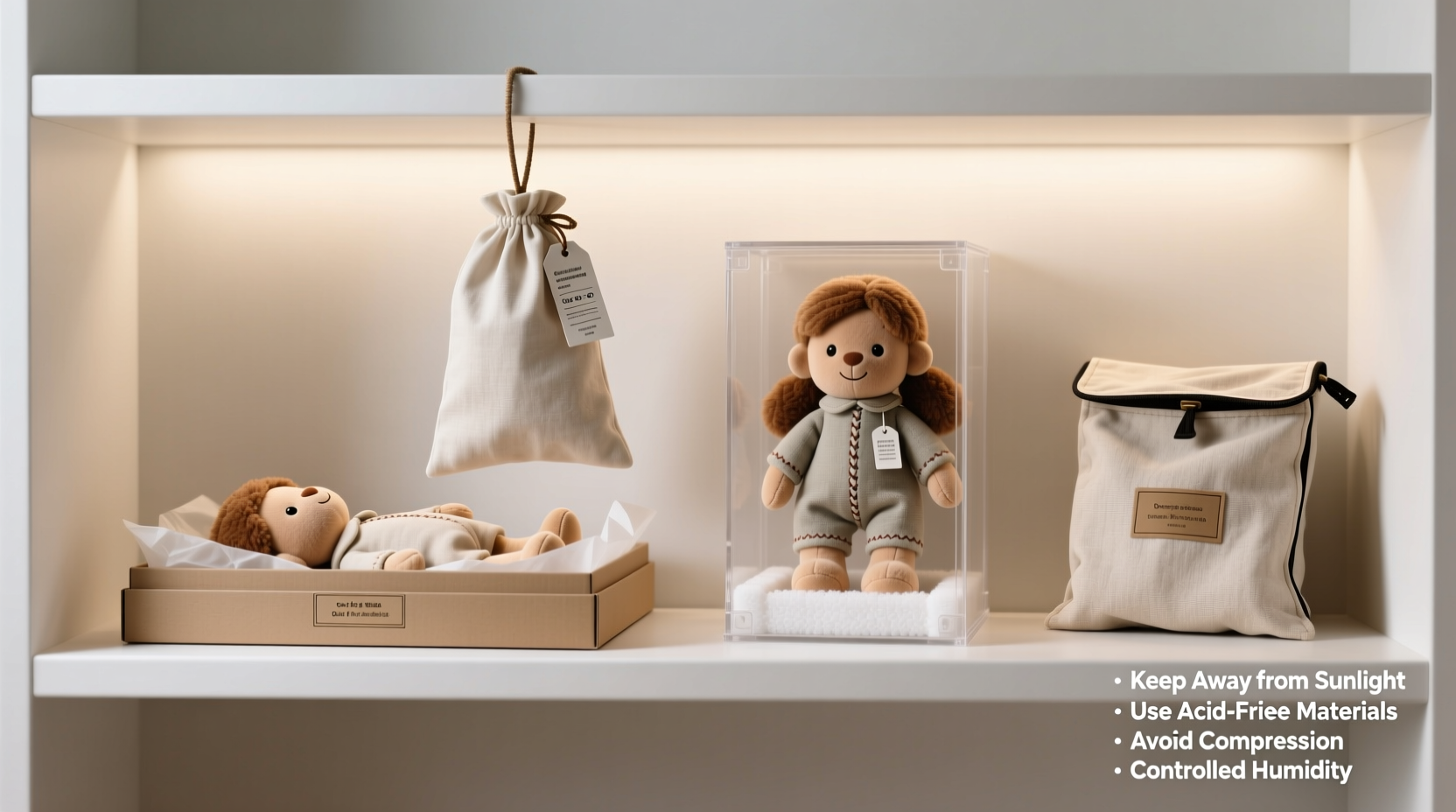
Many people assume that placing a plush doll in a closet or drawer is enough to keep it safe. In reality, common storage environments pose several hidden threats:
- Compression: Stacking heavy items on top of plush dolls flattens stuffing and distorts facial features or limbs.
- Moisture and Mold: Damp basements or humid attics encourage mildew, especially in synthetic fibers that trap moisture.
- Light Exposure: Sunlight breaks down dyes and weakens fabric fibers, causing colors to fade and seams to weaken.
- Dust and Pests: Dust mites, silverfish, and moths are attracted to natural fibers like cotton and wool, leading to soiling or damage.
Addressing these risks proactively ensures that plush dolls retain both aesthetic appeal and sentimental value.
Best Practices for Preparing Plush Dolls for Storage
Before placing any plush doll into storage, proper preparation is essential. Cleaning and inspecting the doll prevents embedded dirt from degrading fabric over time and stops minor issues from worsening.
- Inspect for Damage: Check seams, joints, and stitching. Mend loose threads or small tears with matching thread to prevent further unraveling.
- Clean Gently: Spot-clean stains using a damp cloth and mild detergent. For full cleaning, hand-wash in cold water with a gentle formula, then air-dry completely. Avoid machine washing unless the manufacturer recommends it.
- Ensure Complete Dryness: Moisture trapped in stuffing encourages mold. Allow at least 24–48 hours of air drying in a well-ventilated area, fluffing the stuffing periodically.
- Deodorize Naturally: Sprinkle baking soda lightly over the surface, let sit for 30 minutes, then vacuum gently with a brush attachment to remove odors without chemicals.
Once clean and dry, the doll is ready for long-term storage—but only if placed correctly.
Optimal Storage Conditions and Containers
The environment where plush dolls are stored plays a decisive role in their longevity. Ideal conditions mimic those used in museum textile preservation: stable temperature, low humidity, and minimal light exposure.
| Factor | Recommended Condition | Avoid |
|---|---|---|
| Temperature | 60–70°F (15–21°C) | Extreme heat or freezing temps |
| Humidity | 40–50% | Over 60% (risk of mold) |
| Light Exposure | Dark or low-light areas | Direct sunlight or bright artificial light |
| Storage Container | Breathable fabric bins or archival boxes | Plastic bags or sealed containers without ventilation |
Use acid-free tissue paper to support delicate limbs or heads during storage. Wrap particularly fragile dolls in cotton muslin before placing them in a box. Avoid rubber bands, twist ties, or adhesive tape, which can stain or tear fabric over time.
“Proper stuffing support and breathable enclosures are critical for preserving the three-dimensional form of plush textiles.” — Dr. Lila Monroe, Textile Conservation Specialist, National Museum of Childhood Heritage
Positioning and Shape Maintenance Techniques
One of the most overlooked aspects of plush doll storage is positioning. A doll left lying flat under pressure will gradually lose its shape. The goal is to minimize stress on joints and stuffing while allowing airflow.
For standing or seated dolls:
- Store upright in a box with dividers to prevent leaning.
- Fill arms and legs lightly with acid-free tissue to maintain volume.
- Support the head with a small rolled cloth to avoid neck creasing.
For lying dolls:
- Place on a soft, padded surface inside a box.
- Rotate position every 3–6 months to prevent permanent indentations.
- Do not place books or other objects on top.
Real Example: Preserving a Vintage Teddy Bear Collection
Sarah Thompson, a collector from Vermont, inherited her grandmother’s set of 1940s teddy bears. Initially stored in a cedar chest in the attic, she noticed musty smells and flattened ears after five years. After consulting a textile conservator, she re-stored each bear: cleaned gently, wrapped in cotton, placed in archival boxes with silica gel packs, and moved to a climate-controlled bedroom closet. Ten years later, the bears remain in excellent condition, with no signs of deterioration. “I underestimated how much environment mattered,” Sarah said. “Now I check on them twice a year and rotate their positions.”
Essential Storage Checklist
Follow this checklist before storing any plush doll to ensure optimal protection:
- ✅ Inspect for loose seams, stains, or wear
- ✅ Clean using appropriate method (spot-clean or hand-wash)
- ✅ Dry thoroughly—no dampness in stuffing
- ✅ Deodorize with baking soda if needed
- ✅ Repair minor damage before storage
- ✅ Wrap in breathable fabric (cotton muslin or tissue paper)
- ✅ Store in a rigid, ventilated container away from light
- ✅ Include a moisture absorber like silica gel (replace annually)
- ✅ Label container with contents and date
- ✅ Rotate or inspect dolls every 6 months
Frequently Asked Questions
Can I store plush dolls in vacuum-sealed bags?
No. While vacuum sealing saves space, it compresses stuffing irreversibly and traps residual moisture, increasing the risk of mold. It also stresses seams and can crush delicate facial embroidery. Use breathable containers instead.
How often should I take out stored plush dolls?
At minimum, inspect and air out plush dolls every six months. This allows you to check for pests, moisture, or fabric degradation and helps restore shape by gently fluffing stuffing and repositioning limbs.
Are cedar chests safe for plush doll storage?
Cedar repels moths but emits aromatic oils that may discolor fabrics or irritate sensitive materials over time. If using a cedar chest, line it with cotton fabric and place dolls inside breathable cotton bags first. Avoid direct contact.
Final Thoughts: Treat Plush Dolls Like the Treasures They Are
Plush dolls may seem simple, but their construction—layered fabrics, stuffing, stitching, and sometimes electronic components—makes them surprisingly vulnerable to environmental harm. Thoughtful storage isn’t about perfection; it’s about consistency. By controlling humidity, avoiding compression, and using breathable materials, you protect not just the physical form of the doll, but the memories it carries.
Whether you're safeguarding a child’s favorite companion or curating a vintage collection, the effort you invest today will pay off in preserved texture, color, and shape for years to come. Small habits—like rotating position, checking for dust, and using acid-free paper—add up to lasting results.




 浙公网安备
33010002000092号
浙公网安备
33010002000092号 浙B2-20120091-4
Comments
No comments yet. Why don't you start the discussion?