
A well-set table does more than serve food—it sets the tone for connection, mindfulness, and aesthetic pleasure. In recent years, minimalism has emerged not as austerity, but as thoughtful intentionality. When applied to table settings, this philosophy strips away excess without sacrificing elegance. The goal is not emptiness, but harmony: every object present because it serves a purpose or evokes emotion. Achieving this balance requires attention to material, proportion, texture, and context. Whether you're hosting a dinner party or elevating your daily meals, these expert-backed strategies will help you create a minimalist table that feels both functional and refined.
1. Start with a Clear Design Framework
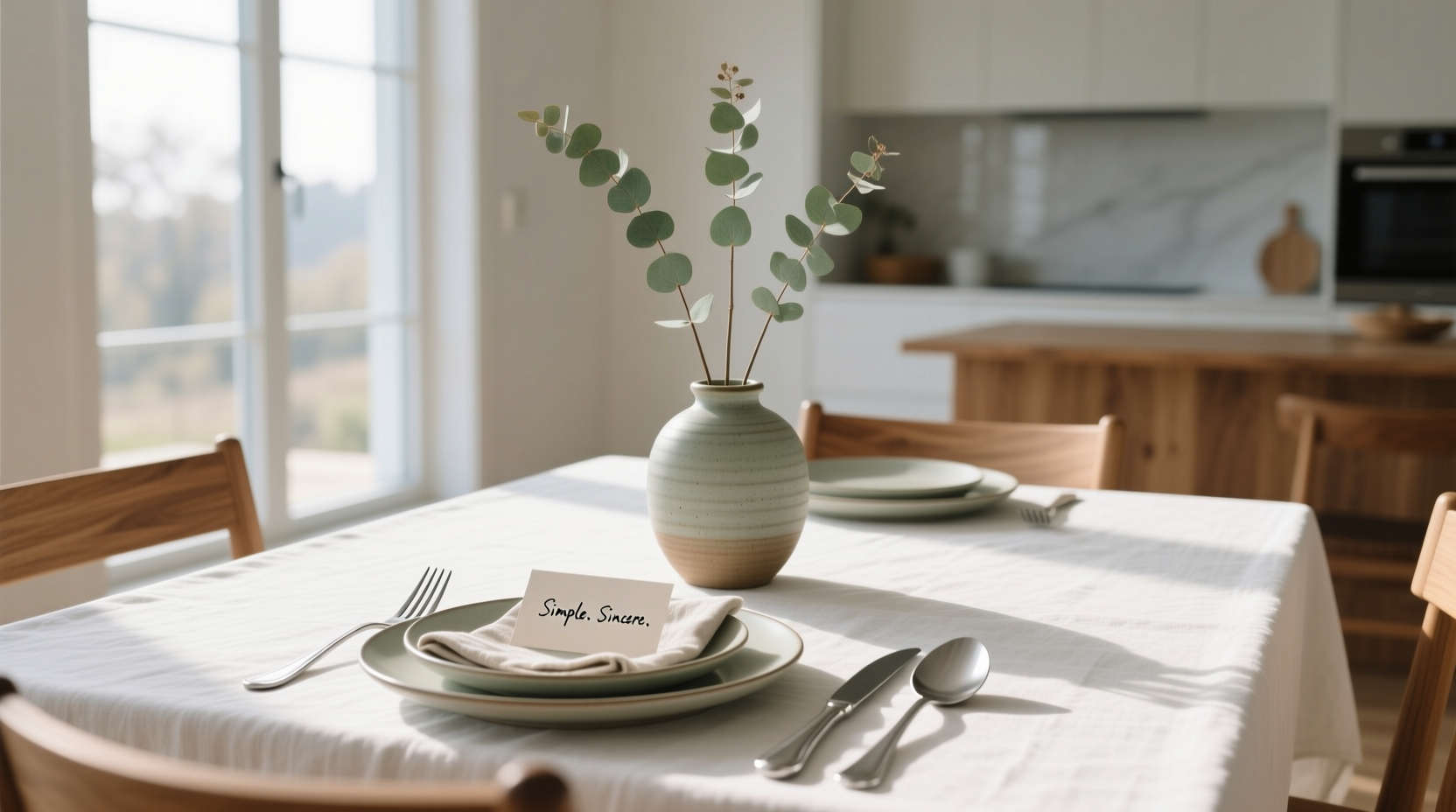
Minimalism thrives on structure. Before selecting any item, define the parameters of your setting: occasion, number of guests, time of day, and dining space. A weekday breakfast calls for simplicity; a holiday dinner allows subtle embellishments. Begin with a neutral base—linens in soft whites, warm taupes, or muted grays provide a calm backdrop. Choose dinnerware with clean lines and unadorned surfaces. Porcelain, stoneware, or matte ceramics in monochrome tones reinforce serenity while remaining versatile.
The foundation of minimalist design is restraint. Avoid mixing patterns or introducing decorative motifs unless they are subtle and unified. For example, a faint ribbed texture on glasses or a gently fluted edge on a bowl adds tactile interest without visual clutter.
2. Curate Essential Elements with Intention
Every piece on the table should answer two questions: Does it have a function? Does it enhance the experience? If not, reconsider its presence. A standard place setting includes only what’s necessary: charger (optional), dinner plate, salad or bread plate, fork, knife, spoon, water glass, and napkin. Eliminate redundant items like butter knives or extra forks unless the meal demands them.
Consider the weight and scale of each object. Oversized cutlery or towering stemware can overwhelm a small table. Opt for flatware with balanced proportions—neither too delicate nor overly heavy. Matte black, brushed steel, or natural wood finishes align with minimalist aesthetics while adding quiet sophistication.
| Element | Do | Don’t |
|---|---|---|
| Dinnerware | Use matching sets in neutral tones | Mix multiple colors or patterns |
| Glassware | Choose simple shapes; limit to water and wine | Add tumblers, highballs, and juice glasses unnecessarily |
| Napkins | Fold neatly or roll with a single accent (like twine) | Over-accessorize with rings, pins, or bows |
| Cutlery | Select uniform finish and style | Mix polished and matte metals |
3. Elevate with Subtle Texture and Natural Accents
Minimalism doesn’t mean monotony. Depth comes from variation in material and touch. Pair smooth ceramic plates with linen napkins, which wrinkle naturally and add warmth. Wooden serving boards, hand-thrown pottery, or hammered metal bowls introduce organic imperfection—a hallmark of wabi-sabi, a Japanese aesthetic aligned with minimalist principles.
A centerpiece, if used, should be understated. A low vase with a single stem, a cluster of seasonal fruits in a shallow bowl, or a row of tea lights on a slate tray can anchor the table without dominating it. Avoid tall floral arrangements that obstruct eye contact or crowded candle groupings.
“The most elegant tables speak softly. They don’t shout for attention—they invite people in through subtlety and comfort.” — Clara Nguyen, Interior Stylist & Tabletop Designer
4. Step-by-Step Guide to Building Your Minimalist Setting
Follow this sequence to assemble a cohesive, functional arrangement:
- Clear the surface. Wipe down the table and remove non-essential decor.
- Lay the foundation. Add a runner or placemats if desired—neutral cotton, jute, or felt work well.
- Place dinnerware. Center the charger (if using), then stack the dinner plate and optional salad plate.
- Arrange flatware. Fork on the left, knife and spoon on the right, blade facing in. Keep spacing even—about an inch from the plate edge.
- Add glassware. Position the water glass slightly above the knife tip. Include a wine glass only if wine is served.
- Incorporate napkins. Fold simply or roll and place to the left of the fork or inside the wine glass.
- Introduce one focal point. A small centerpiece or single candle no taller than 6 inches.
- Final walkaround. View the table from all sides—ensure symmetry, clarity, and breathing room between place settings.
This method ensures functionality is prioritized while allowing room for personal expression. Remember, negative space is part of the design—crowding diminishes impact.
5. Real-Life Example: A Weeknight Dinner Transformation
Sarah, a graphic designer in Portland, used to eat at her kitchen counter surrounded by clutter. After reading about mindful dining, she redesigned her nightly ritual. She cleared her small oak table, added ivory linen placemats, and set two places with white stoneware and matte black cutlery. Instead of overhead lighting, she lit one beeswax candle in a clear glass votive. Her centerpiece? A small bowl of lemons from her tree.
The change was immediate. Meals felt slower, more intentional. Her partner remarked, “It feels like we’re on a date, even when we’re just having pasta.” Sarah didn’t invest in luxury items—she edited what she had and arranged it with care. This real-world example proves that minimalism isn’t about cost; it’s about consciousness.
Essential Checklist for a Balanced Minimalist Table
- ✔ Neutral, coordinated color palette across all elements
- ✔ Only essential utensils and dishes per course
- ✔ High-quality materials with textural contrast (e.g., ceramic + linen)
- ✔ One understated centerpiece or natural accent
- ✔ Consistent spacing between place settings (minimum 24 inches apart)
- ✔ Lighting that enhances ambiance (candles or warm-toned bulbs)
- ✔ No visual clutter—avoid branded packaging, mismatched glasses, or excess decor
Frequently Asked Questions
Can I include color in a minimalist table setting?
Yes—but selectively. Introduce color through seasonal produce (a bowl of figs, citrus, or pomegranates) or a single accent piece, like terracotta napkin rings or a sage-green glass. The key is consistency: use one or two hues max, and ensure they complement rather than compete.
Is minimalist styling suitable for formal events?
Absolutely. Minimalism often reads as more luxurious because it emphasizes quality over quantity. A formal minimalist table might feature hand-blown crystal, fine Belgian linen, and precisely spaced silverware—all in restrained harmony. Elegance emerges from precision and purity of form.
How do I keep a minimalist table from feeling cold or sterile?
Warmth comes from organic materials and human touches. Linen napkins, wooden serving spoons, handmade ceramics, and flickering candles soften hard surfaces. Even the act of hand-writing place cards on recycled paper adds soul without breaking the minimalist code.
Conclusion: Simplicity as an Act of Care
Styling a minimalist table is not about deprivation—it’s about honoring the moment. Each chosen object becomes a gesture of hospitality and self-respect. When function and flair coexist, the table transforms into a stage for presence, conversation, and sensory delight. You don’t need rare china or imported linens. You need clarity of purpose, attention to detail, and the courage to leave things out.




 浙公网安备
33010002000092号
浙公网安备
33010002000092号 浙B2-20120091-4
Comments
No comments yet. Why don't you start the discussion?