
Linen pillowcases offer a luxurious blend of breathability, moisture-wicking, and natural texture that improves with every wash. However, their durability and softness depend heavily on how they’re cared for. Unlike synthetic fabrics, linen responds best to thoughtful handling—both in the laundry and during storage. Many people assume linen is high-maintenance, but with the right approach, it’s one of the most resilient and rewarding textiles in your bedroom. The key lies in understanding its natural fiber behavior and avoiding common mistakes that lead to stiffness, pilling, or shrinkage.
The Nature of Linen: Why Care Matters
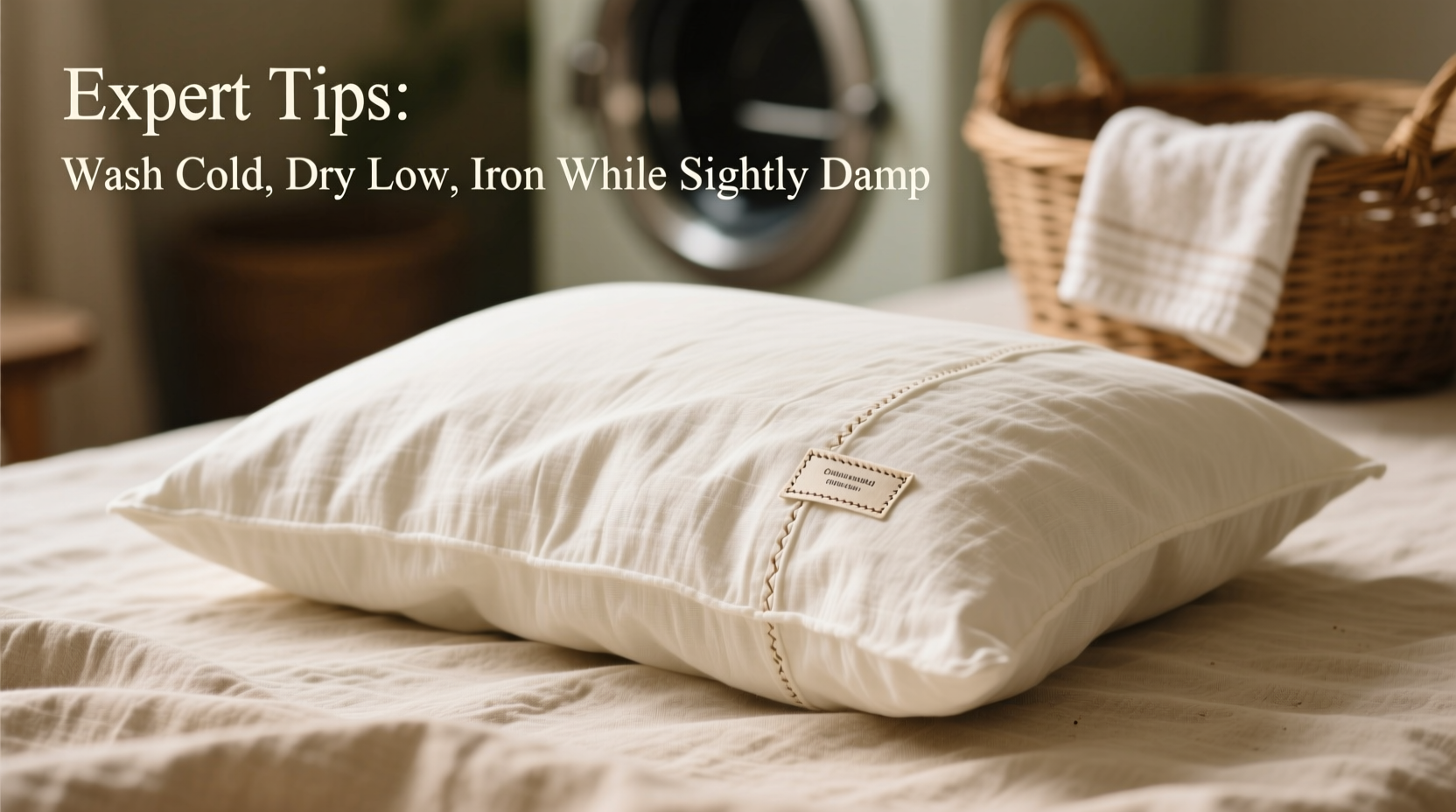
Linen is made from flax fibers, which are naturally strong, hypoallergenic, and highly absorbent. What sets linen apart is its ability to soften over time while maintaining structural integrity. However, this evolution only happens when treated gently. Harsh detergents, high heat, and aggressive agitation can damage the fibers, leading to brittleness or premature wear. Linen also tends to wrinkle easily, but these creases are part of its charm—provided the fabric remains supple and clean.
Improper care not only affects appearance but also shortens the lifespan of your pillowcases. A well-maintained linen pillowcase can last 5–10 years or more, whereas poor laundering habits may degrade it within a year.
“Linen gains character with use, but only if you respect its natural tendencies. Gentle washing and air drying preserve both softness and strength.” — Clara Bennett, Textile Conservation Specialist
Step-by-Step Guide to Washing Linen Pillowcases
Washing linen correctly ensures longevity and comfort. Follow this detailed routine for optimal results:
- Shake and Spot-Treat First: Before washing, shake out the pillowcase to remove loose debris. If there are stains (e.g., oils, makeup), gently dab with a mixture of mild detergent and cold water. Avoid scrubbing aggressively.
- Turn Inside Out: This protects the outer surface from friction and fading during the wash cycle.
- Use Cold or Lukewarm Water: Never exceed 40°C (104°F). Hot water can cause shrinkage and weaken fibers over time.
- Select a Mild Detergent: Choose a pH-neutral, biodegradable detergent without bleach, enzymes, or optical brighteners. Liquid detergents dissolve better and are less abrasive than powders.
- Wash on Gentle Cycle: Use a slow spin and minimal agitation. Wash with similar natural fabrics—never with heavy towels or synthetics that create friction.
- Avoid Overloading: Crowding the machine restricts movement, reducing cleaning efficiency and increasing stress on fibers.
- Rinse Thoroughly: Ensure all detergent is removed to prevent residue buildup that causes stiffness.
Drying and Ironing: Preserving Softness and Shape
Drying is where many linen owners make critical errors. Tumble drying at high heat is the fastest way to ruin softness and induce shrinkage.
- Air Dry Whenever Possible: Lay flat or hang dry in a shaded, well-ventilated area. Direct sunlight can fade colors over time.
- Remove While Slightly Damp: Take pillowcases out of the line or rack when still 10–15% damp. This makes ironing easier and prevents deep-set wrinkles.
- Iron on Medium Heat: Use a steam iron while the fabric is slightly moist. Iron inside out to protect the surface sheen. If you prefer a lived-in look, skip ironing—the crinkles are part of linen’s aesthetic.
- If Using a Dryer: Only use low heat for a few minutes to reduce wrinkles, then finish air-drying. Never leave linen unattended in the dryer.
Care Checklist: Monthly Maintenance Routine
Stay consistent with this simple checklist to extend the life of your linen pillowcases:
- ✅ Wash every 1–2 weeks depending on use
- ✅ Use cold water and gentle detergent
- ✅ Turn pillowcases inside out before washing
- ✅ Air dry instead of tumble drying
- ✅ Refresh with vinegar rinse monthly
- ✅ Store clean and completely dry
- ✅ Rotate between 2–3 sets to reduce wear
Do’s and Don’ts: Linen Pillowcase Care Table
| Do’s | Don’ts |
|---|---|
| Do wash in cold or lukewarm water | Don’t use hot water above 40°C |
| Do use mild, bleach-free detergent | Don’t use chlorine bleach or fabric softeners |
| Do air dry or use low-heat tumble | Don’t dry completely in a high-heat dryer |
| Do iron while slightly damp | Don’t iron dry linen—it increases wrinkling |
| Do store in breathable cotton bags | Don’t store in plastic bins—they trap moisture |
Real Example: How Sarah Transformed Her Linen Experience
Sarah, a yoga instructor from Portland, loved her organic linen pillowcases for their cool feel during summer nights. But after six months, they felt rough and looked faded. She was washing them weekly with regular detergent on hot and tossing them into the dryer. After consulting a textile care guide, she switched to cold washes with eco-friendly detergent, added a vinegar rinse, and started air-drying indoors. Within two washes, the fabric softened noticeably. “They feel even better than when I first bought them,” she says. “I didn’t realize how much my routine was working against the fabric.” Now, she rotates three sets and plans to pass them down to her daughter.
Frequently Asked Questions
Can I wash linen pillowcases with other bedding?
Yes, but only with like materials—such as cotton or other linens. Avoid washing with towels, jeans, or synthetic fabrics that create friction and lint. Group by color to prevent dye transfer.
Why do my linen pillowcases feel stiff after washing?
Stiffness usually comes from detergent residue or high-heat drying. Try a vinegar rinse and switch to air drying. Linen softens with each wash when treated gently—don’t expect silk-like softness immediately.
How often should I replace linen pillowcases?
With proper care, high-quality linen pillowcases can last 5–10 years. Replace them when fibers become thin, develop holes, or lose structural integrity. Regular rotation extends usable life significantly.
Maintaining Long-Term Beauty and Comfort
The beauty of linen lies in its evolution. Each wash enhances its drape and softness, making it more personal and comfortable over time. But this transformation requires consistency—not perfection. You don’t need elaborate routines; just mindful choices. Treat linen with the same consideration you’d give a fine piece of clothing, and it will reward you with years of restful sleep and timeless appeal.
Remember, the goal isn’t sterile crispness but enduring comfort. Let the natural texture breathe, avoid chemical overload, and embrace the slight rumple as a sign of honest use. When cared for properly, linen pillowcases become heirloom-quality pieces—soft, sustainable, and deeply personal.




 浙公网安备
33010002000092号
浙公网安备
33010002000092号 浙B2-20120091-4
Comments
No comments yet. Why don't you start the discussion?