
Pearl bracelets are timeless pieces of jewelry, prized for their luster, elegance, and heirloom quality. However, even the most exquisite design can fall short if the fit isn’t right. A bracelet that’s too tight can cause discomfort, while one that’s too loose risks slipping off or damaging the delicate silk thread. Achieving the perfect balance between comfort and security requires more than guesswork—it demands attention to detail, proper tools, and an understanding of pearl jewelry construction. Whether you’ve inherited a vintage strand or purchased a modern piece, knowing how to adjust your pearl bracelet correctly ensures it remains both wearable and preserved for generations.
Understanding Pearl Bracelet Construction
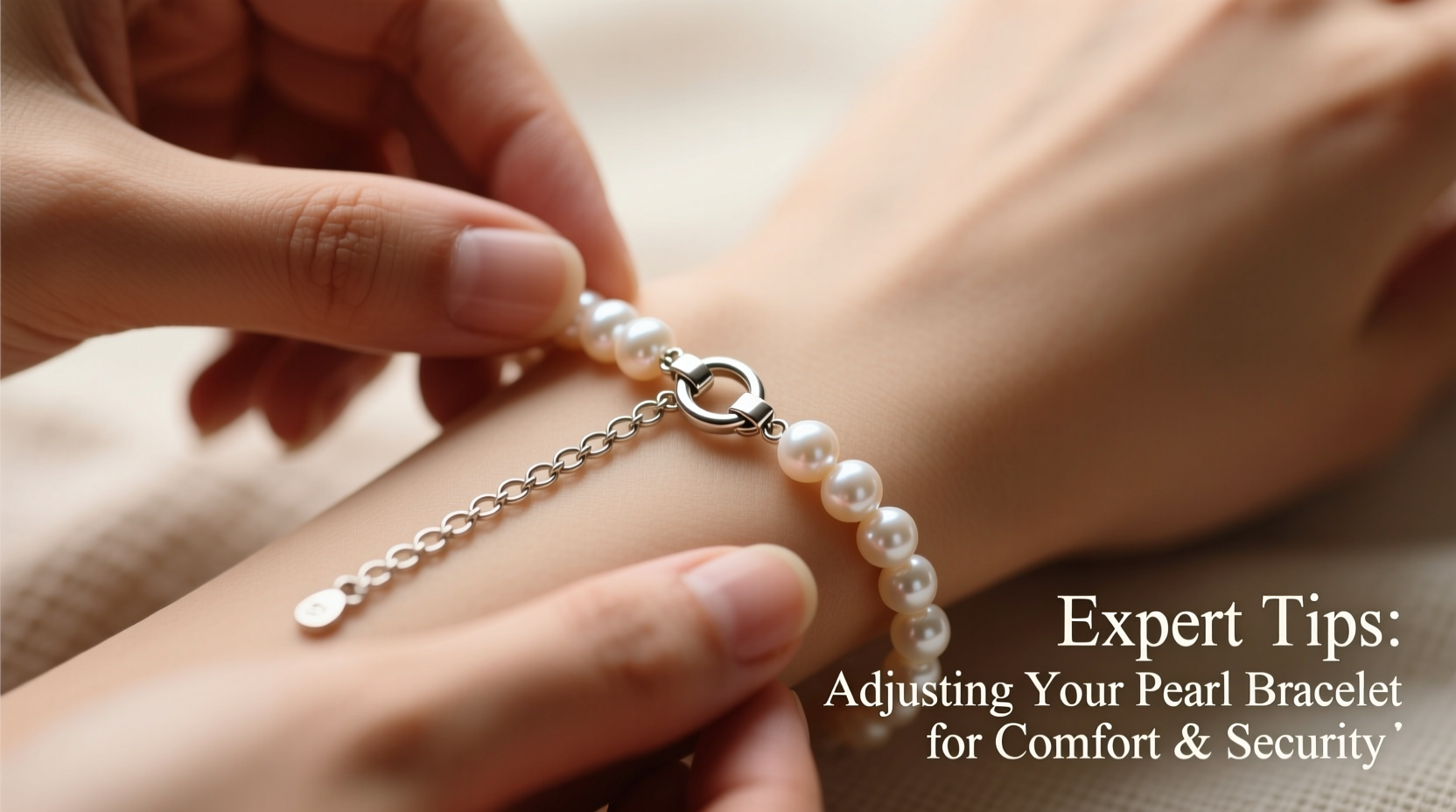
Before making any adjustments, it's essential to understand how a pearl bracelet is built. Most high-quality pearl bracelets are hand-knotted between each pearl using fine silk thread. This knotting serves two critical purposes: it prevents all pearls from scattering if the string breaks, and it protects the pearls from rubbing against each other, which can cause surface abrasion over time. The clasp—typically made of gold, platinum, or sterling silver—is attached with reinforced knots or crimps for durability.
Because of this intricate construction, adjusting a pearl bracelet isn't as simple as resizing a metal bangle. You can't stretch or compress the strand without potentially compromising its integrity. Any alteration must be done carefully, either by adding or removing pearls, restringing with adjusted spacing, or modifying the closure system.
“Pearls are organic gems—they need care not just in cleaning, but in fit and wear. A poorly fitting bracelet accelerates wear on the silk and increases risk of loss.” — Lillian Cho, Master Jewelry Restorer & GIA Graduate Gemologist
Step-by-Step Guide to Adjusting Your Pearl Bracelet
Adjusting a pearl bracelet should follow a clear sequence to maintain structural integrity and aesthetic harmony. Here’s how to approach it methodically:
- Measure Your Wrist Accurately: Use a flexible tape measure to determine your wrist circumference at the point where you intend to wear the bracelet. Add 0.5 to 1 inch (1.25–2.5 cm) for comfort, depending on personal preference and whether you plan to wear it over clothing or alongside other bracelets.
- Determine Current Length: Lay your bracelet flat on a ruler or measuring tape. Measure from the inner edge of the clasp to the inner edge of the catch. Compare this to your ideal length.
- Assess Adjustment Needs: If the difference is less than half a pearl’s diameter (approx. 3–4mm), minor re-knotting may suffice. Larger discrepancies usually require adding or removing pearls.
- Decide on Modification Method: Choose between restringing with adjusted spacing, replacing the clasp with a different style (e.g., toggle vs. box clasp), or consulting a professional jeweler for precise alterations.
- Proceed with Caution or Seek Expertise: Unless experienced, avoid attempting major changes yourself. Silk threading and knot placement require specialized skills.
Do’s and Don’ts When Adjusting Pearl Bracelets
| Do’s | Don’ts |
|---|---|
| Use silk thread and hand-knot between each pearl | Never use elastic cord for valuable pearl strands |
| Hire a certified jeweler experienced with pearls | Don’t attempt DIY restringing without proper tools |
| Check clasp security every 6–12 months | Avoid wearing during swimming, cleaning, or exercise |
| Add a safety chain for extra security | Don’t expose to perfumes, lotions, or harsh chemicals |
| Store flat or hanging to prevent kinking | Never pull the strand taut to measure while worn |
Real-Life Example: Restoring a Heirloom Fit
Sarah inherited her grandmother’s 7-inch pearl bracelet, a cherished piece strung with 6.5mm Akoya pearls. While beautiful, it was too tight for her slightly larger wrist, causing discomfort after short wear. She initially considered stretching it but learned from a local jeweler that doing so would weaken the silk and risk breakage.
Instead, the jeweler recommended restringing the bracelet with an additional 0.5 inches of length by incorporating three new matching pearls into the design—one on each side near the clasp and one centered opposite. The original clasp was preserved, and hand-knotting was replicated exactly. The result? A perfectly fitted bracelet that honored the past while ensuring future wearability. Sarah now wears it regularly, confident in its security and comfort.
Expert Tips for Maintaining Fit and Longevity
- Rotate Wear: Avoid wearing the same pearl bracelet daily. Rotation reduces stress on the silk and prolongs lifespan.
- Inspect Regularly: Check for frayed thread, loose knots, or a worn clasp. Early detection prevents costly repairs or loss.
- Consider Adjustable Clasps: Some jewelers offer extender chains or sliding knot closures that allow minor on-the-fly adjustments.
- Account for Temperature Changes: Skin can swell in heat or shrink in cold. If you live in a variable climate, opt for a slightly looser fit to accommodate natural fluctuations.
- Re-string Every 1–2 Years: Even with careful use, silk degrades over time. Scheduled restringing maintains strength and appearance.
Frequently Asked Questions
Can I make my pearl bracelet longer without adding pearls?
Only slightly. You can increase length minimally by adjusting knot tension or using a longer clasp, but significant extension requires additional pearls to maintain proportion and prevent excessive gap between beads.
How do I know if my bracelet is too loose?
If you can fit more than two fingers between the bracelet and your wrist when fastened, it’s likely too loose. Also, if it twists frequently or slips over your hand unintentionally, it needs adjustment.
Is it safe to resize a vintage pearl bracelet?
Yes, but only with expert handling. Vintage pieces often have historical value and fragile threads. Always consult a specialist in antique jewelry who understands period techniques and materials.
Essential Checklist Before Adjusting Your Pearl Bracelet
- ✅ Measure your wrist accurately
- ✅ Determine current bracelet length
- ✅ Identify desired fit (snug vs. relaxed)
- ✅ Inspect existing condition (knots, clasp, thread)
- ✅ Source matching pearls if needed
- ✅ Select a qualified jeweler or restoration service
- ✅ Decide on clasp type and security features
- ✅ Schedule regular maintenance post-adjustment
Final Thoughts: Honor the Craft, Enhance the Wear
Adjusting a pearl bracelet isn’t merely about size—it’s about respecting the craftsmanship behind each strand while adapting it to your lifestyle. A well-fitted bracelet feels like an extension of you: elegant, unobtrusive, and secure. By following these expert guidelines, you protect not only the physical beauty of the piece but also its emotional significance. Whether it’s a gift, an heirloom, or a personal indulgence, a properly adjusted pearl bracelet becomes a joy to wear rather than a worry to manage.




 浙公网安备
33010002000092号
浙公网安备
33010002000092号 浙B2-20120091-4
Comments
No comments yet. Why don't you start the discussion?