
Selecting a zircon bracelet isn’t just about choosing a dazzling design or a brilliant stone cut—it’s also about ensuring the fit is just right. A bracelet that's too tight can be uncomfortable and restrict circulation, while one that's too loose risks slipping off and being lost. Achieving that ideal balance requires more than guesswork. Whether you're buying for yourself or gifting someone special, knowing how to measure and interpret wrist dimensions accurately ensures both comfort and elegance. With zircon bracelets often serving as meaningful accessories—marking milestones, symbolizing love, or simply elevating everyday style—the importance of a precise fit cannot be overstated.
Why Accurate Sizing Matters for Zircon Bracelets
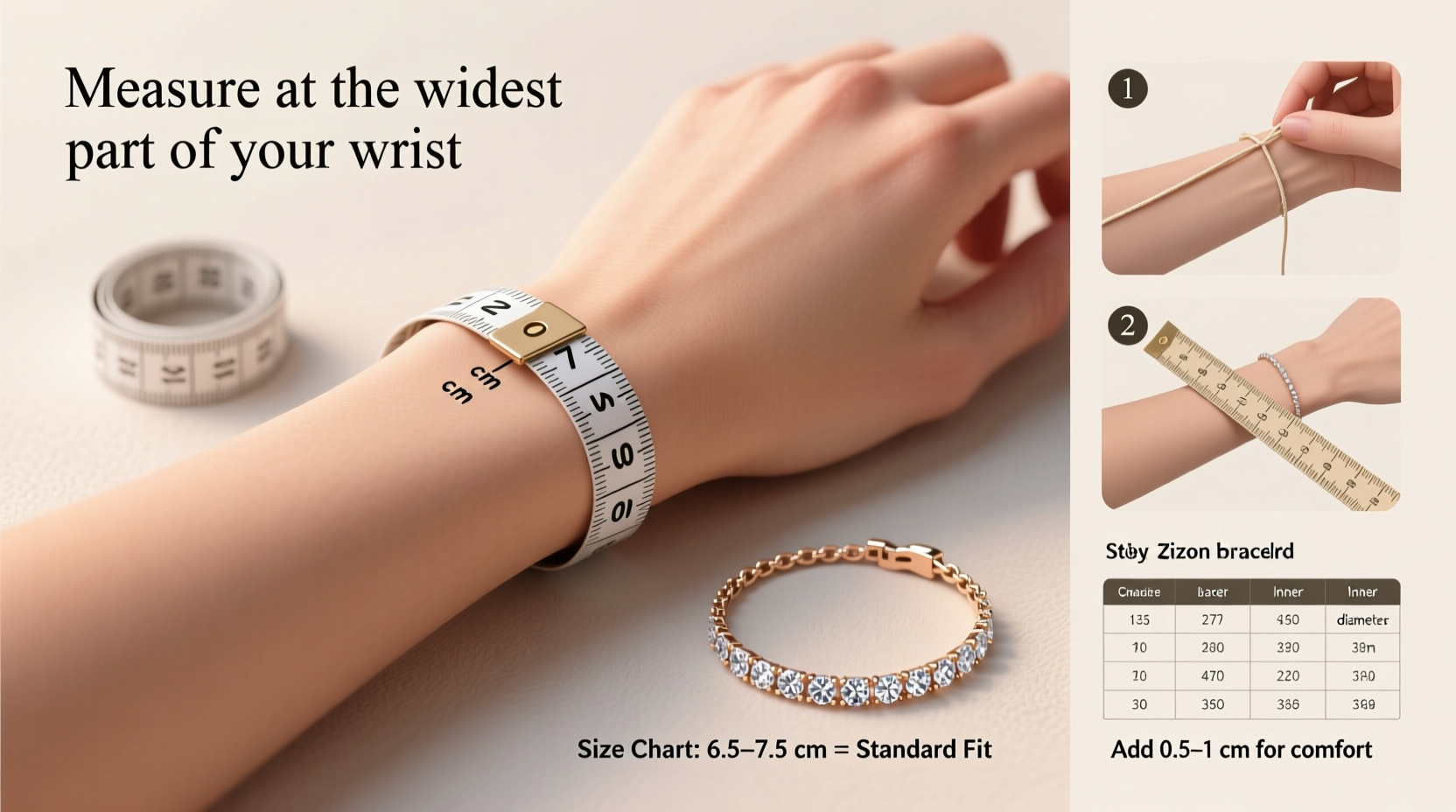
Zircon stones, known for their brilliance and fire similar to diamonds, are often set in delicate metal settings. These designs demand secure yet comfortable wear. Unlike stretchy or adjustable styles, many zircon bracelets feature rigid links, hinge clasps, or magnetic closures that offer limited flexibility. An improper fit not only affects comfort but may also stress the clasp mechanism over time, increasing the risk of breakage or loss.
Moreover, cultural and aesthetic expectations play a role. In formal or professional settings, a bracelet should sit snugly without sliding excessively. On the other hand, casual wear might allow slightly more movement—but never so much that it catches on clothing or furniture. The goal is a seamless blend of security, style, and ease.
Step-by-Step Guide to Measuring Your Wrist Correctly
Accurate measurement is the foundation of proper bracelet sizing. Follow this timeline to get reliable results using simple household tools.
- Gather Supplies: Use a flexible measuring tape (like a tailor’s tape), a strip of paper or ribbon, and a pen.
- Position Your Hand: Let your arm hang naturally at your side. Do not pull your fingers together or flex your wrist.
- Wrap Around the Wrist Bone: Place the tape or paper snugly around the narrowest part of your wrist—the bone area just before your hand begins. Avoid wrapping over soft tissue higher up the forearm.
- Ensure Snugness Without Tightness: You should be able to slide one finger comfortably under the tape. Too loose? Retake the measurement.
- Record the Circumference: Note the measurement in centimeters or inches. If using paper, mark where it overlaps and then measure against a ruler.
- Add Allowance: For a standard fit, add 0.5 to 1 cm (about ¼ to ½ inch) to the actual wrist size. This provides room for comfort and movement.
For example, if your wrist measures 16 cm, a bracelet length of 16.5 to 17 cm would likely provide an ideal fit. Always check the brand’s specific sizing chart, as standards can vary between manufacturers.
Understanding Bracelet Lengths and Fit Styles
Not all “perfect fits” are the same. Personal preference and intended use influence how a bracelet should feel on the wrist. Below is a comparison of common fit types based on added allowance:
| Fit Type | Additional Length | Feel & Movement | Best For |
|---|---|---|---|
| Snap-Tight | 0–0.3 cm | Hugs the wrist; minimal movement | Slender wrists, formal events |
| Comfort Fit | 0.5 cm | Snug but allows slight rotation | Daily wear, office environments |
| Relaxed Fit | 0.8–1 cm | Slides gently; rotates freely | Casual outfits, warmer climates |
| Loose Fit | Over 1 cm | Moves significantly; may shift position | Fashion statements, layered looks |
Keep in mind that wider bracelets (over 10 mm) typically require a bit more room due to increased surface contact and pressure distribution.
Real Example: Choosing the Right Size for a Gift
Sarah wanted to surprise her sister with a sterling silver zircon tennis bracelet for her birthday. She knew her sister wore small jewelry but wasn’t sure of the exact size. Instead of guessing, she borrowed one of her sister’s existing bracelets—one that fit perfectly. Laying it flat, she measured the inner circumference from clasp to clasp: 17 cm. She cross-referenced this with the retailer’s size guide and selected a 17 cm option labeled “Medium.” The gift was a hit—comfortable, elegant, and secure.
This approach works especially well when shopping for loved ones who may have unique proportions or preferences.
“Even a fraction of a centimeter can make the difference between a cherished accessory and an unworn regret.” — Marcus Lin, Fine Jewelry Consultant at Heritage Gems
Avoiding Common Sizing Mistakes
Many people rely on outdated methods or assumptions that lead to inaccurate sizing. Here are frequent errors—and how to avoid them:
- Using Ring Size to Guess Bracelet Length: Finger and wrist bones differ greatly in proportion. There’s no reliable conversion formula.
- Measuring Over Clothing: Fabric adds bulk and distorts results. Always measure directly on bare skin.
- Ignoring Clasp Type: Toggle clasps need extra space for easy closure; magnetic ones allow tighter fits. Adjust accordingly.
- Assuming One Size Fits All: Unisex doesn’t mean universal. Women average 15–17 cm; men 17–19 cm—but individual variation is significant.
Checklist: How to Confirm the Perfect Zircon Bracelet Fit
Before finalizing your purchase, go through this practical checklist:
- ✅ Measured wrist circumference at the bone using a soft tape
- ✅ Added 0.5–1 cm for comfort allowance
- ✅ Checked manufacturer’s size chart for model-specific guidance
- ✅ Considered bracelet width and weight (heavier pieces benefit from snugger fits)
- ✅ Verified return policy in case resizing is needed
- ✅ Compared with a well-fitting existing bracelet, if available
Frequently Asked Questions
Can I resize a zircon bracelet after purchase?
Some zircon bracelets can be resized by a professional jeweler, especially those with link chains. However, rigid bangles or fully set tennis bracelets may not be adjustable without compromising structural integrity or gemstone alignment. Always consult the seller before assuming resizeability.
What if my wrist size falls between two standard sizes?
Opt for the next size up unless you prefer a tighter fit. A slightly loose bracelet is safer than one that pinches or restricts blood flow. You can also look for models with adjustable sliders or extender chains.
Do different countries have different bracelet sizing standards?
Yes. While most European and American brands use centimeters or inches, some Asian markets list sizes numerically (e.g., Size 6, 7, 8) based on internal diameter. Always verify what the numbers represent and convert if necessary using a trusted reference chart.
Final Thoughts: Precision Enhances Beauty
A zircon bracelet combines sparkle with sentiment, making accurate sizing a crucial part of honoring its value. Taking a few minutes to measure properly ensures the piece rests gracefully on the wrist, enhancing both appearance and confidence. Whether it’s a gift or a personal indulgence, the right fit transforms jewelry from mere ornamentation into a natural extension of self-expression.




 浙公网安备
33010002000092号
浙公网安备
33010002000092号 浙B2-20120091-4
Comments
No comments yet. Why don't you start the discussion?